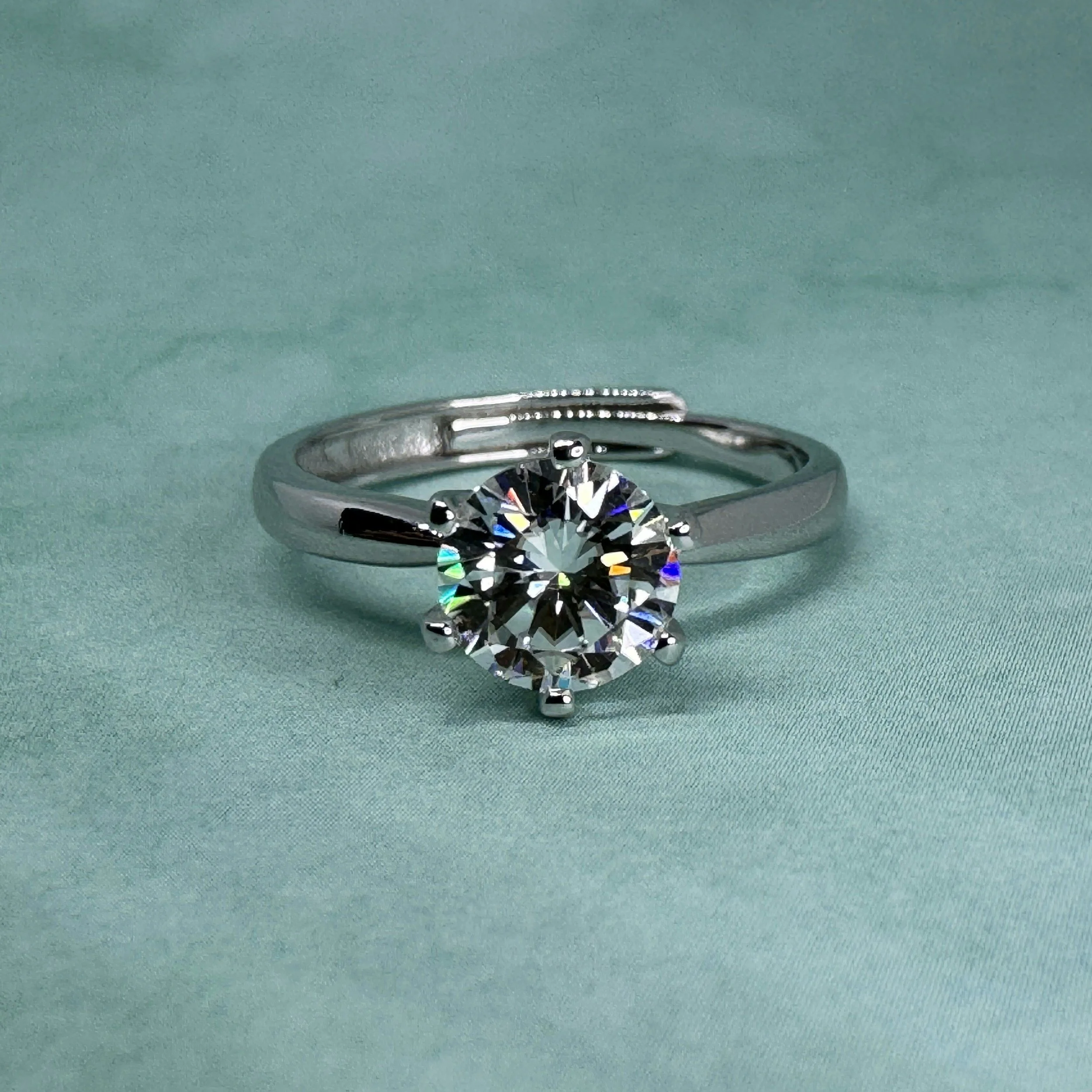
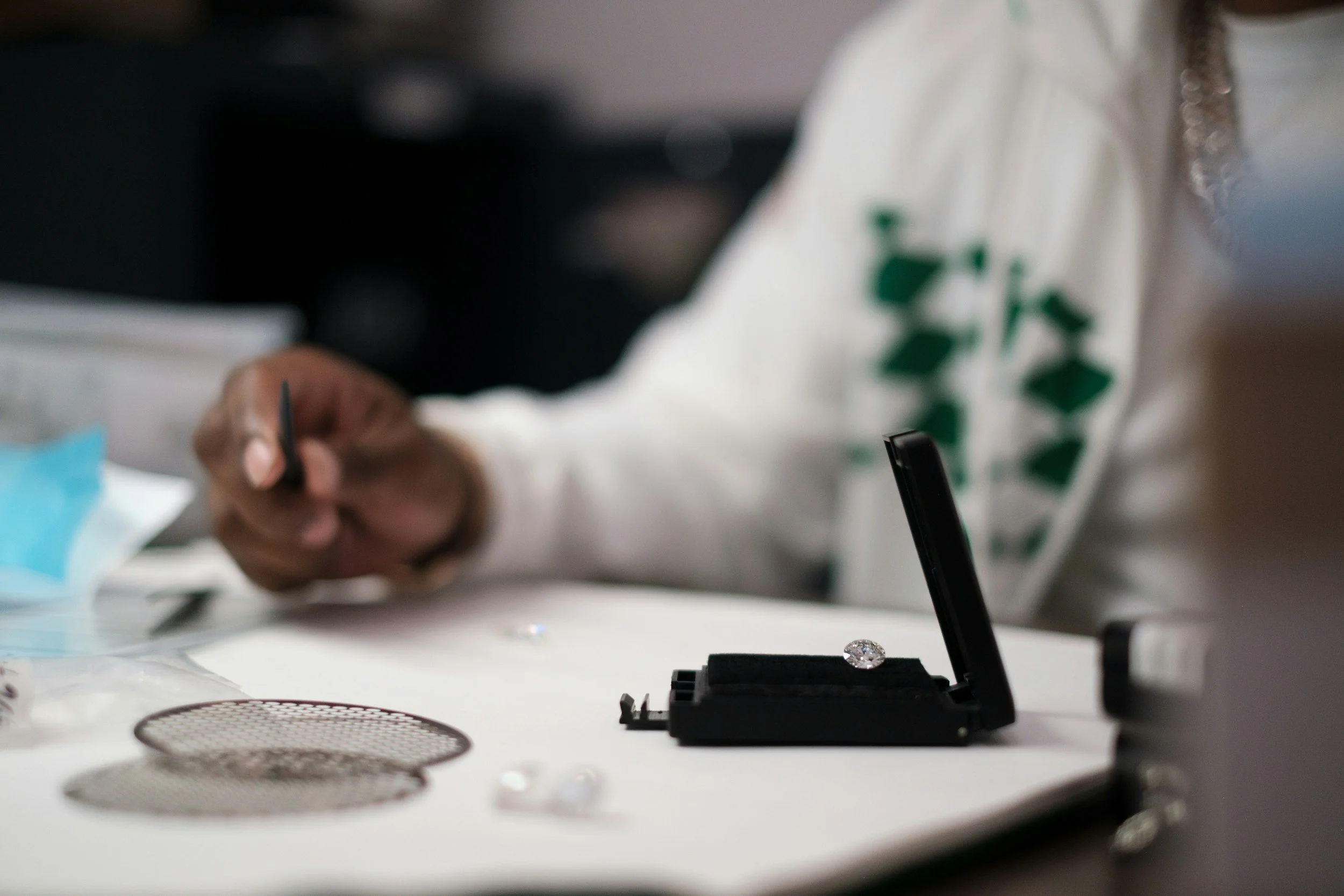
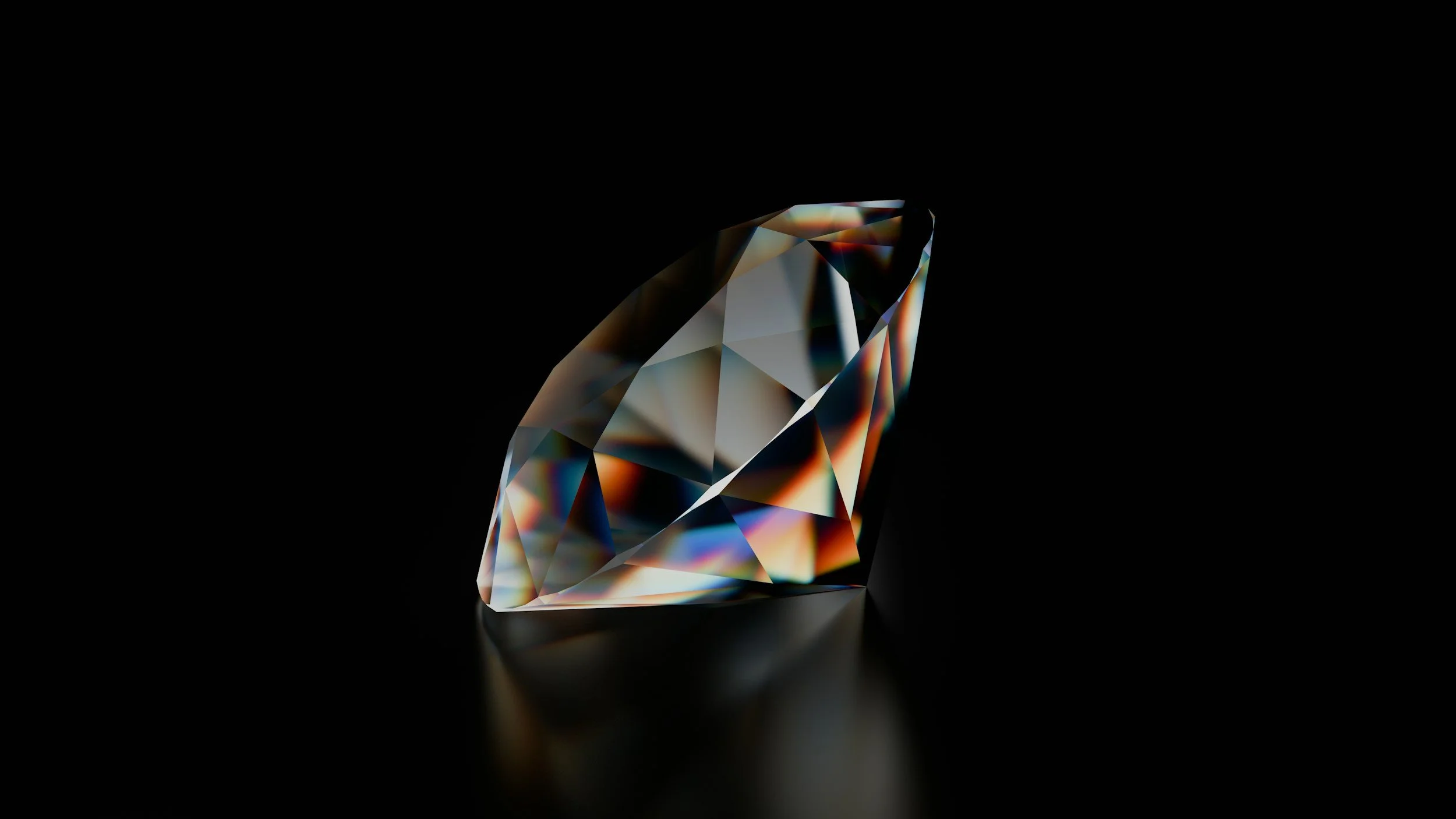
Stop Buying Marketing. Start Buying Physics.
A GIA "Excellent" cut grade is not enough. It includes the top 55% of diamonds—many of which leak light and look dead in office lighting. To guarantee brilliance, you need to look at the angles, not just the certificate.
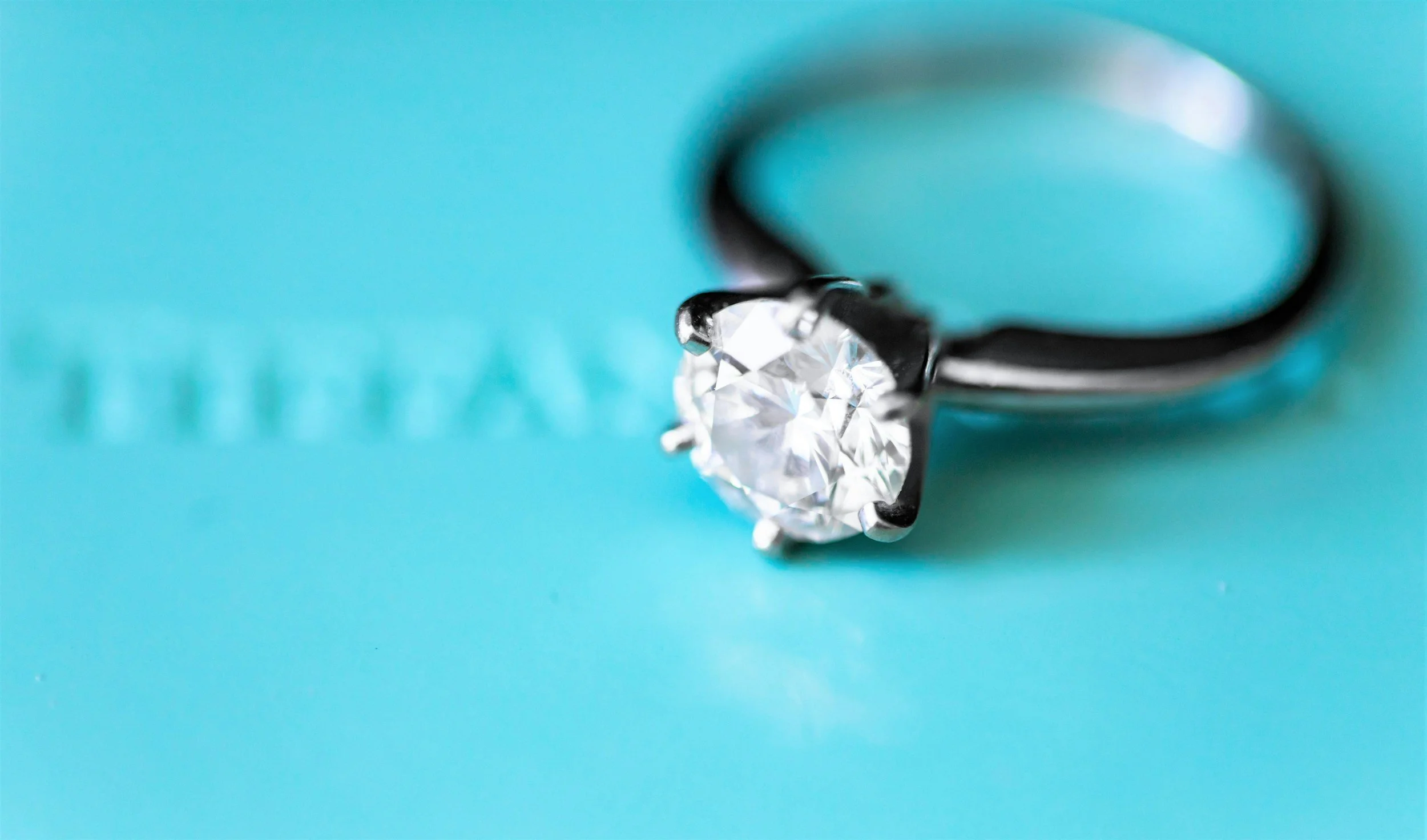
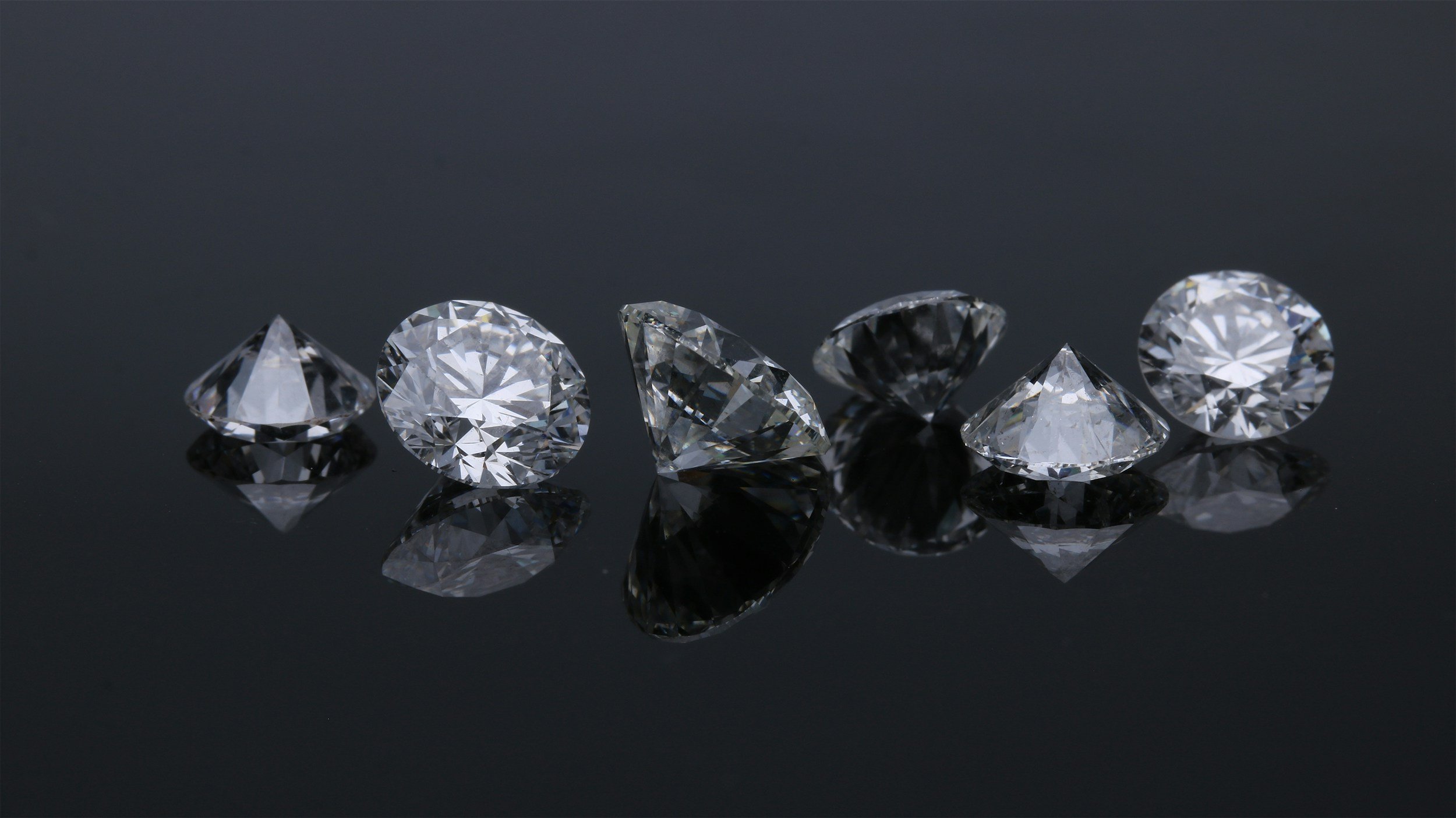
The “Lighting Trap”
Jewelry stores are engineered to sell you subpar stones. They blast the cases with 5,000 lumens of halogen spotlights so that even a piece of frozen gravel would sparkle.
But you aren't going to propose in a jewelry store. You’re going to be in a restaurant with dim lighting, or she’s going to be showing it off in an office with flat fluorescent lights. You will both be looking at it forever in “regular” lighting.
That is the real test.
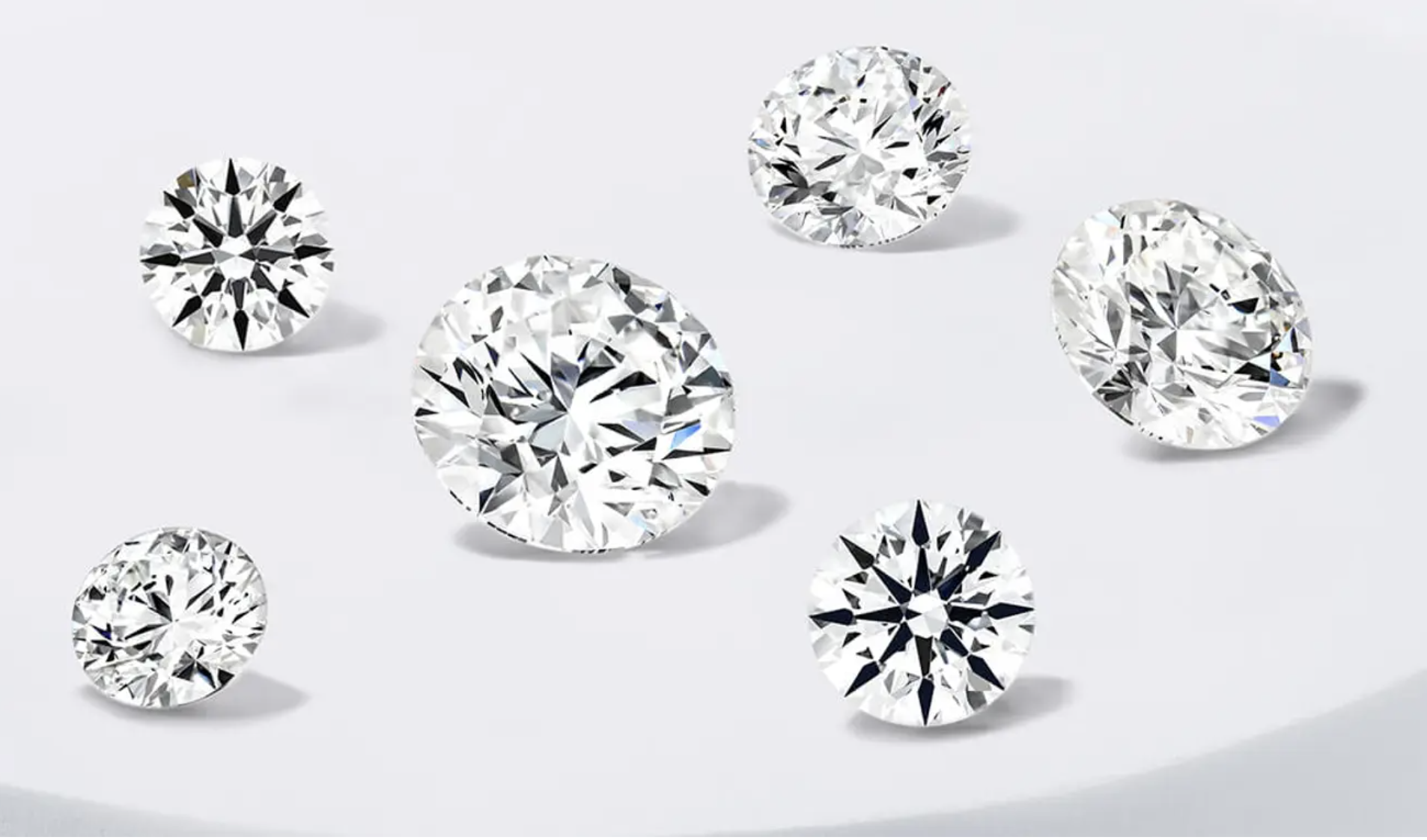
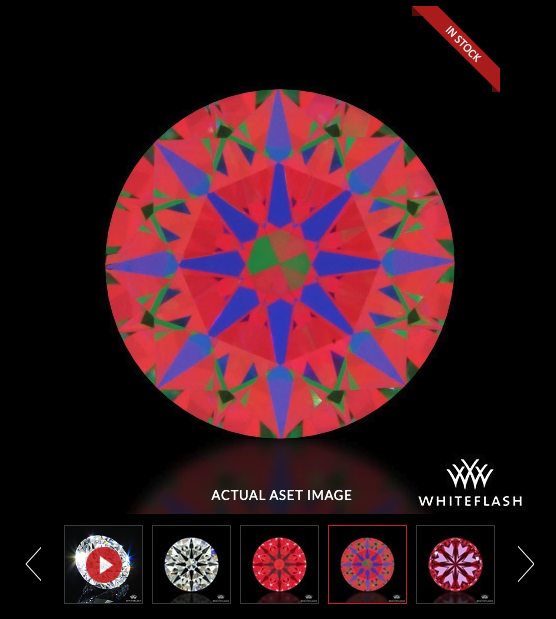
In diffused lighting (real life), a poorly cut diamond loses its fire and looks like a dull piece of glass. This happens because of light leakage: when light enters the stone and falls out the bottom instead of bouncing back to your eye.
My Rule: If it doesn't perform in the shade, I don't buy it.
The Optimization Criteria
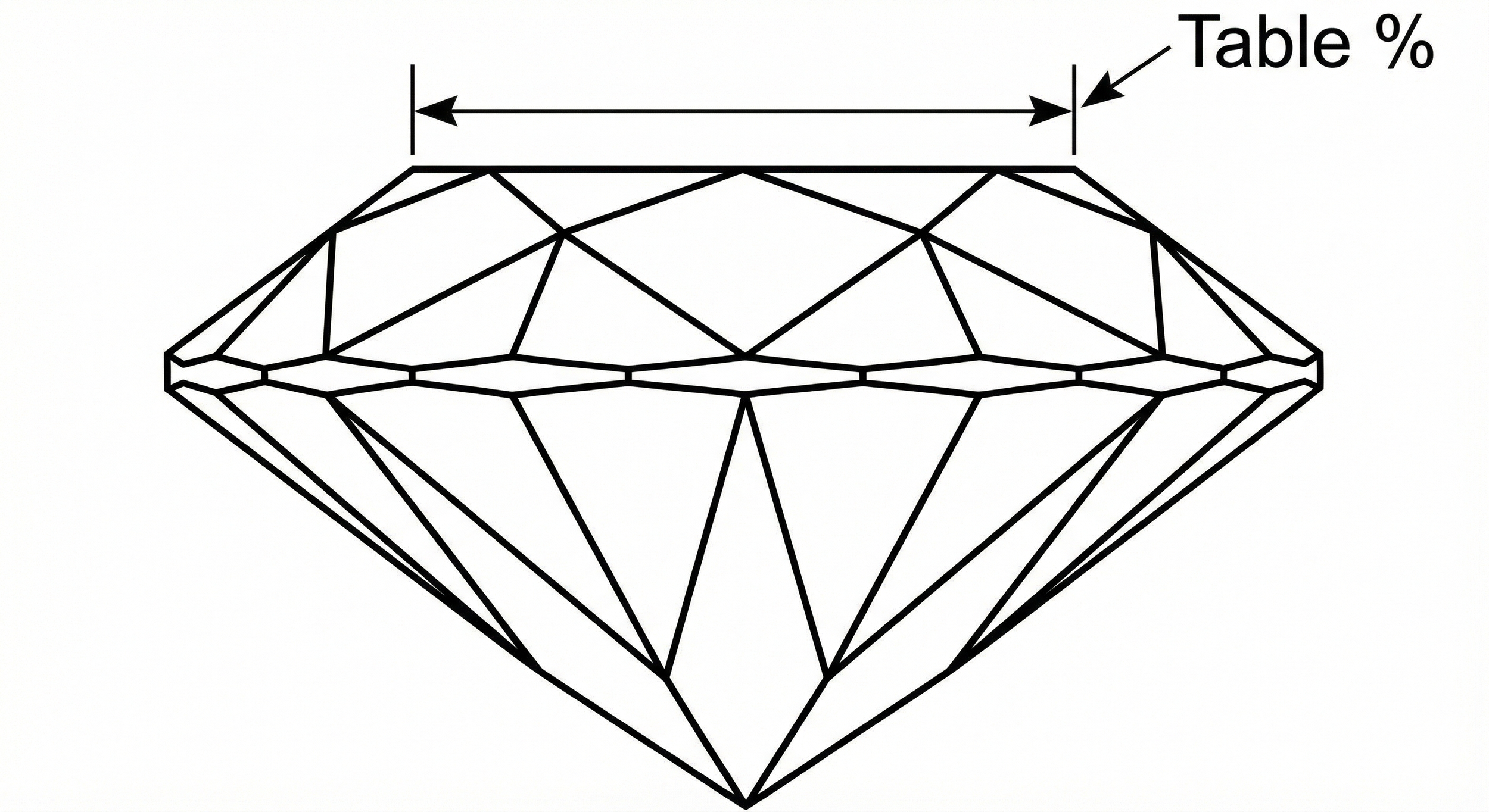
Table Percentage: 54 - 57%
Depth Percentage: 61.0 - 62.5%
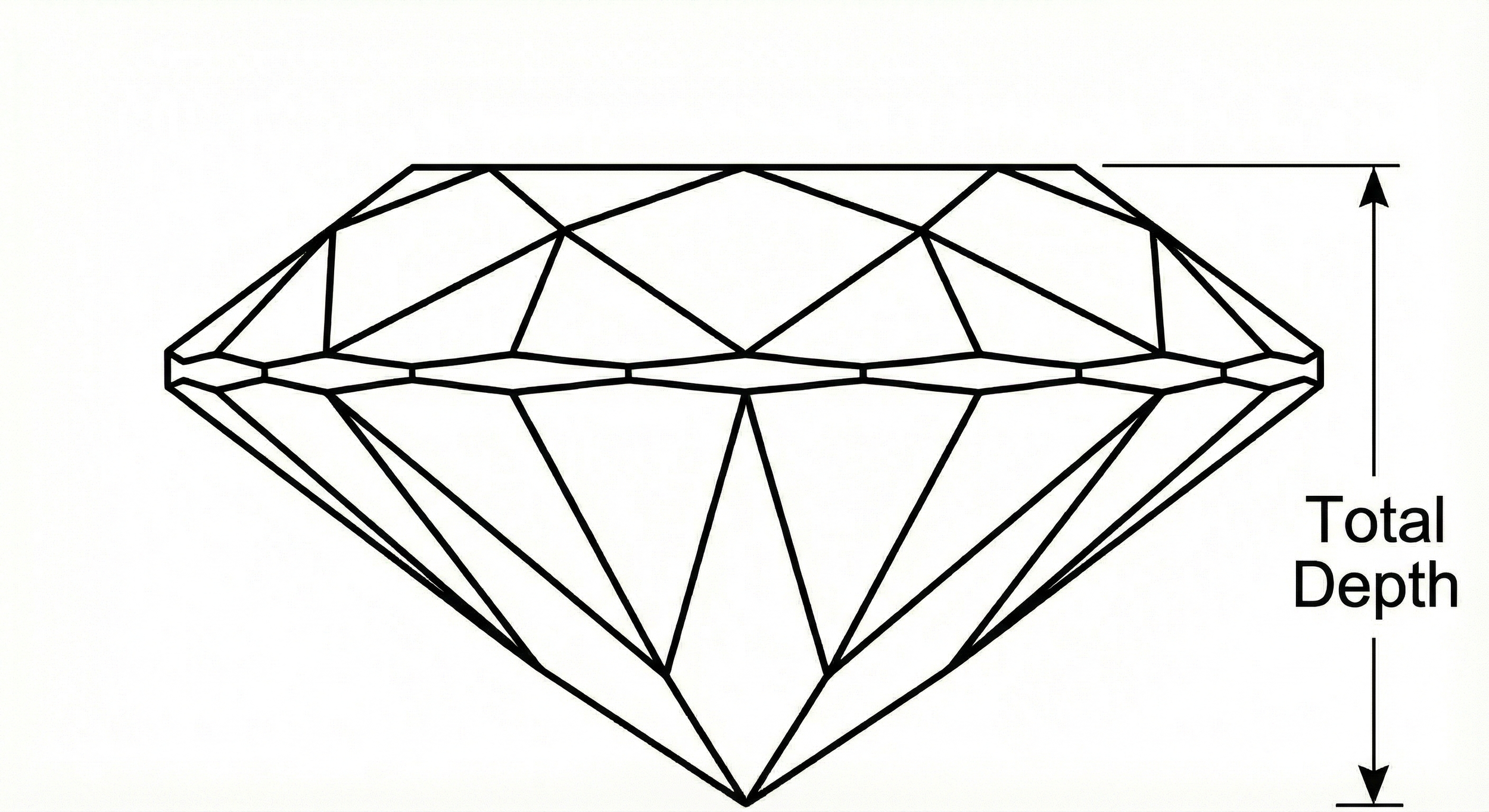
Too shallow, and you get a "fisheye" effect in the center. Too deep, and you're overpaying for weight you can't see in the face-up size (it hides in the bottom).
This is the window on centered flat top. If it's too big (>60%), the diamond looks flat and loses that "fire" (rainbow flashes). If it's too small, it looks dark.
Click here for the diamond size calculator
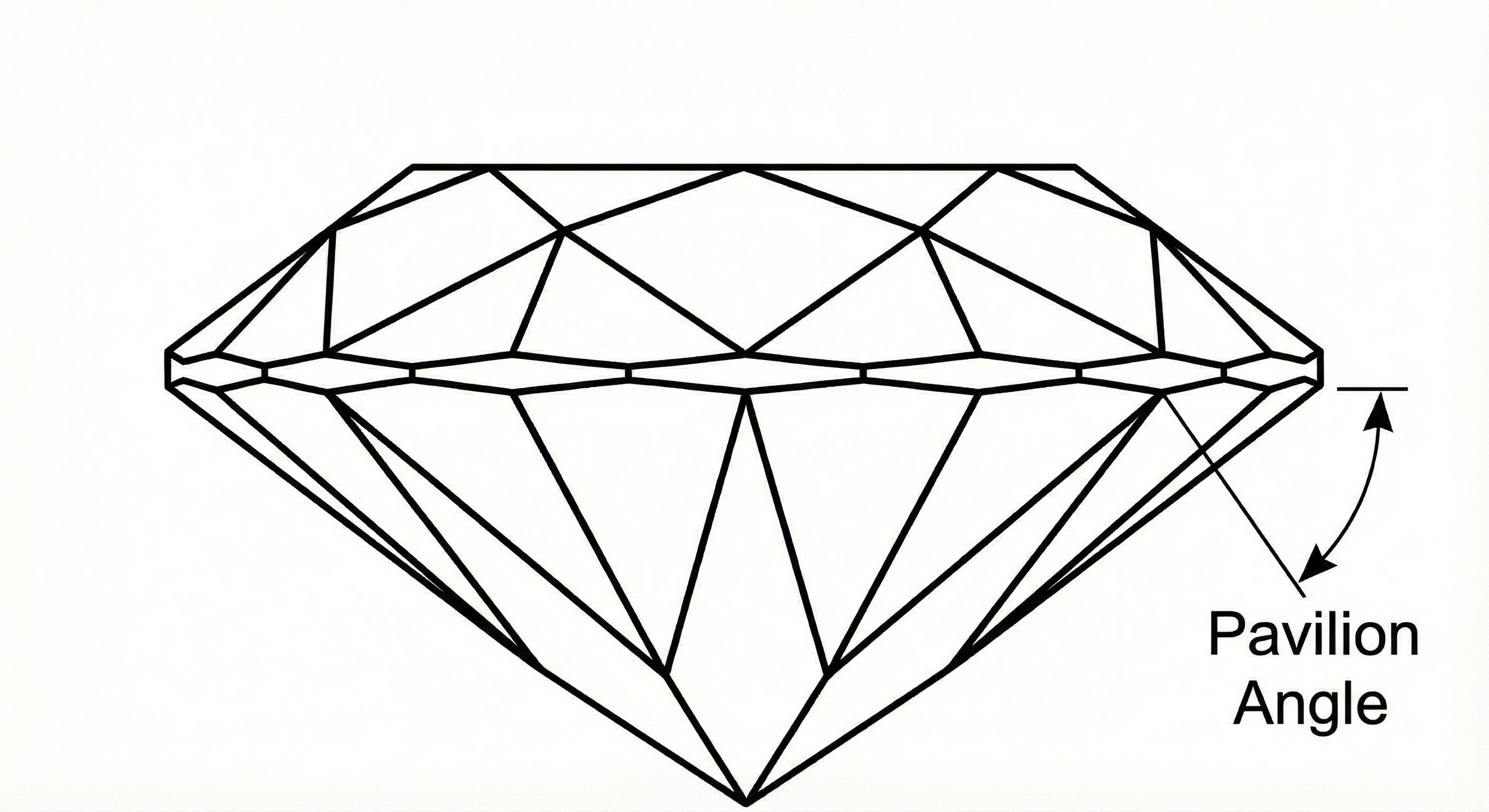
Pavillion Angle: 40.6° - 40.9°
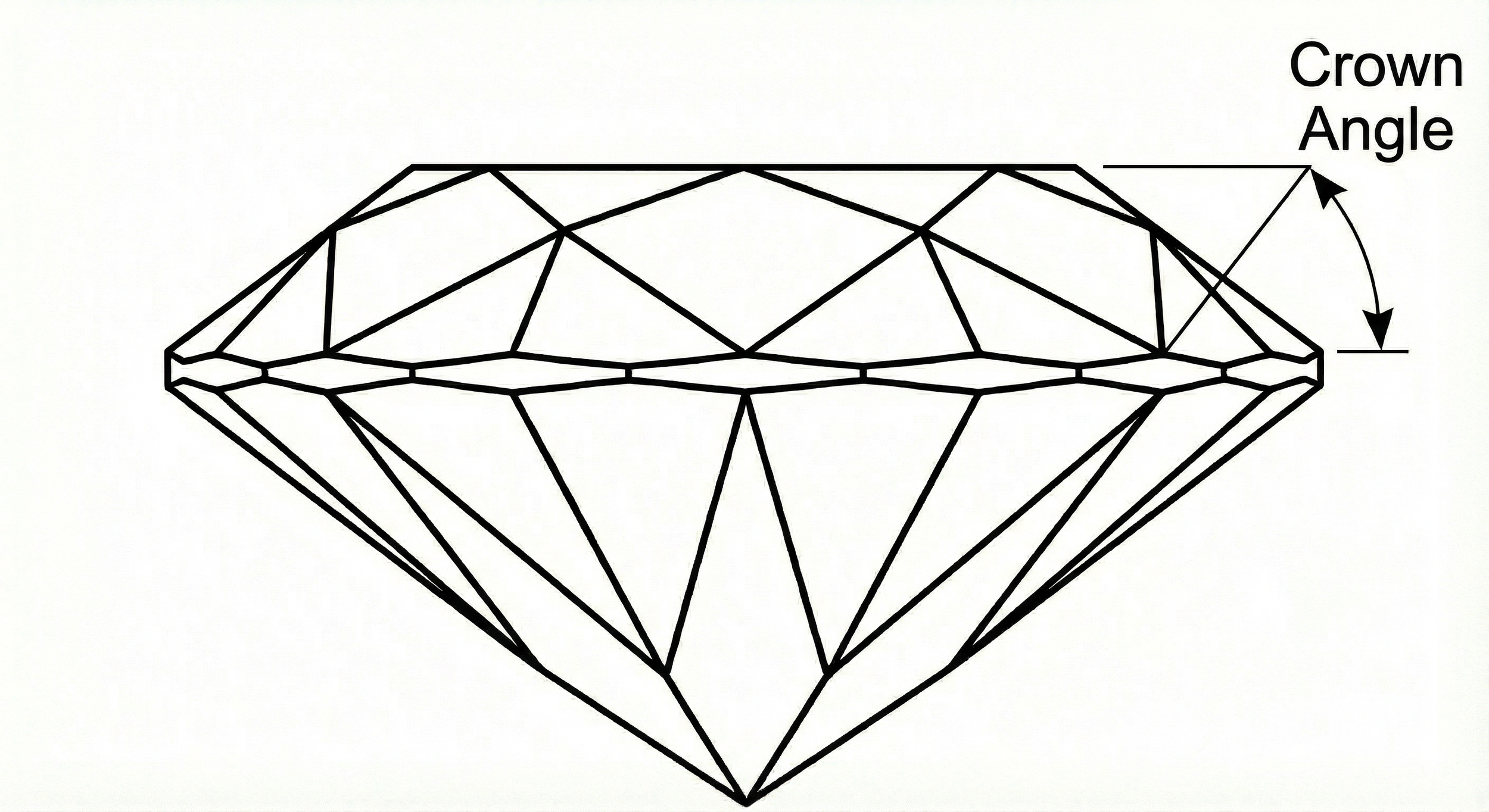
Crown Angle: 34.0° - 35.0°
This is the most critical number. The bottom of the diamond acts as a mirror. If this angle is off by even half a degree, light passes right through the stone.
This acts as the prism. This specific angle is what splits white light into rainbows. If you go lower than 34.0°, the diamond looks white but lacks character.
This specific set of criteria will instantly limit 90-95%+ of diamonds during your search right off the bat, saving you the hours/days/weeks+ of trouble staring at pictures & hi-res videos trying to figure out if it is a “good” diamond.
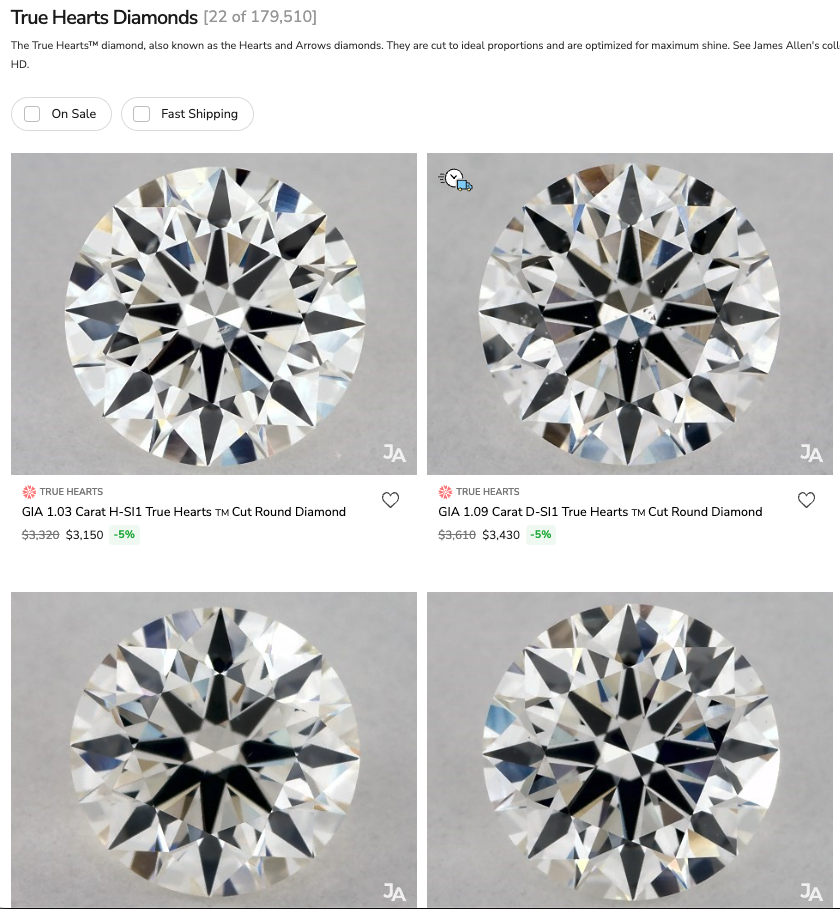
The Visual Verification: James Allen “True Hearts”
Sometimes the specs look perfect on paper, but the diamond has a visible inclusion (black spot) right in the center table.
James Allen wins on visual verification. Their 360° HD video technology is the industry standard. It lets me zoom in 40x and spin the stone to see if an "SI1" clarity grade is actually eye-clean (which is a great way to get a bargain!!) or if it has a nasty inclusion hiding on the side.
If you want to see exactly what you are buying before you drop $$$, this is the safest tool to use.
The Data-Driven Choice: Whiteflash “A Cut Above”
If you are like me, you don't trust the salesperson; you trust the data.
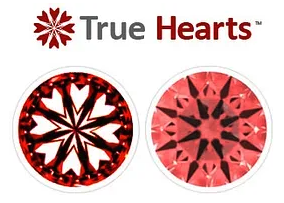
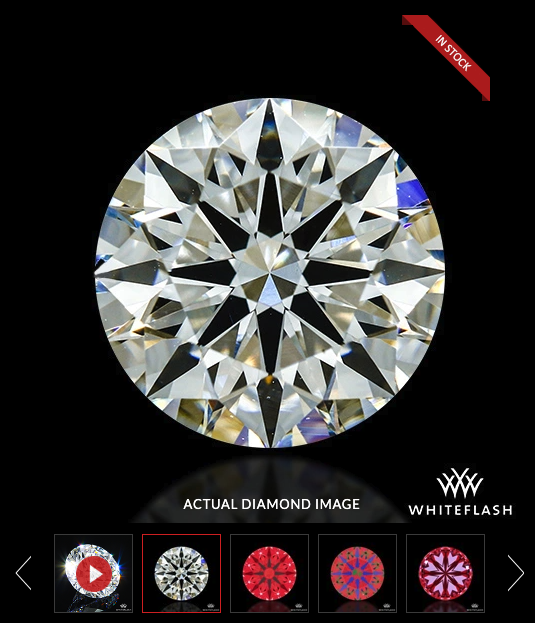
Whiteflash is the only major vendor that posts the ASET and IdealScope images for every single in-house diamond. These images prove exactly where the light is going. If a diamond has light leakage (a "dead spot"), these images reveal it instantly.
I recommend their "A Cut Above" line because the geometry is so tight that you really don’t even need to check the angles manually (although if you’re anything like me, you’ll still end up doing this; however, they are & pre-calibrated & cut specifically for maximum light return).
Latest Briefings: Diamond Optics & Pricing