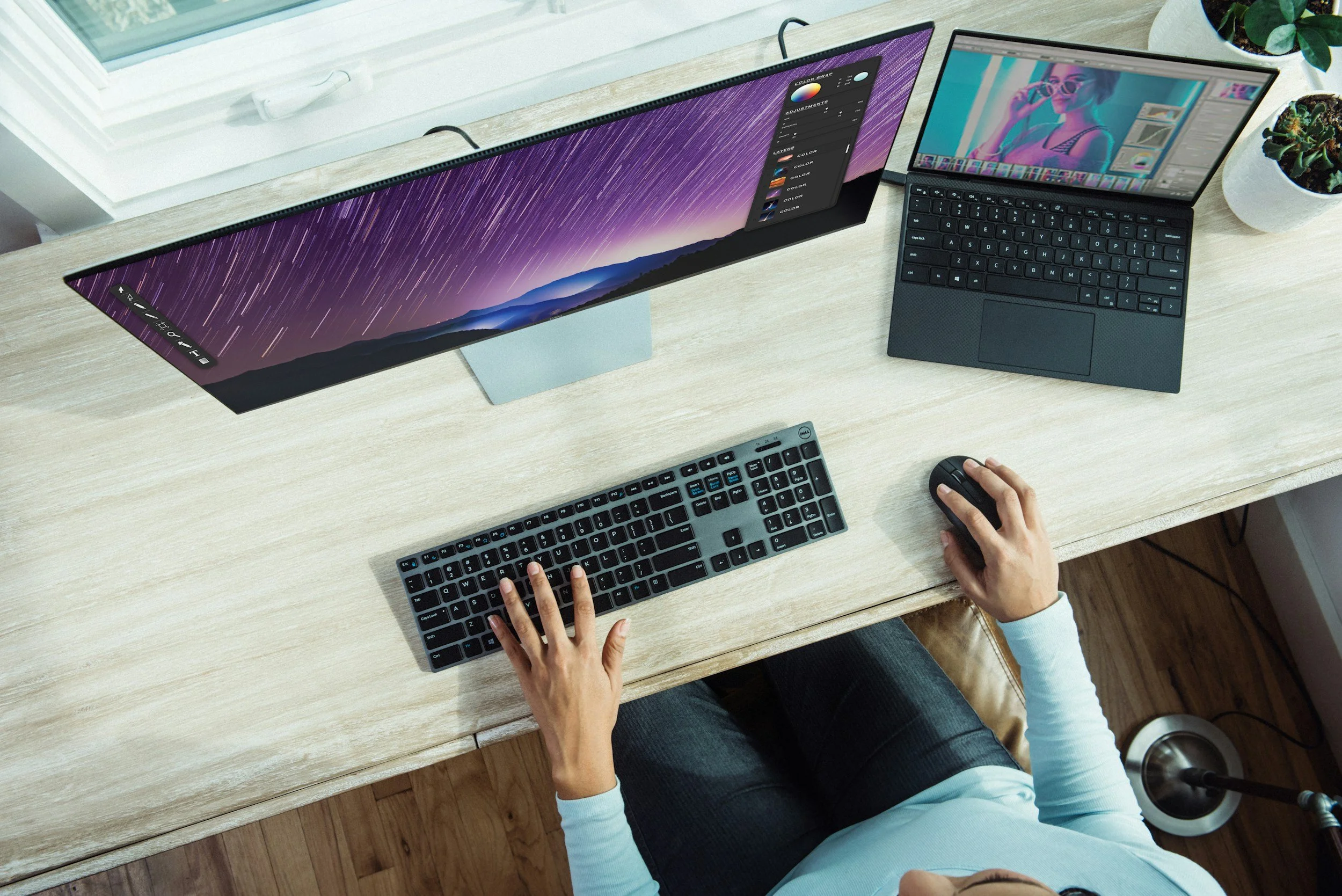
The Mobile Command Center: Maintaining Dual-Screen Efficiency in a Hotel Room
Attempting to manage complex spreadsheets, client calls, and your own business on a single 14-inch laptop screen is an operational nightmare. Here’ss the exact hardware you need to pack a dual-monitor setup straight into your carry-on.
If you have ever tried to execute a full workday from a hotel desk, you already know the frustration. At your home office, you are operating at peak efficiency. You likely have a massive ultrawide monitor or a dual-screen setup that allows you to cross-reference documents, keep Slack open on the side, and run a video call without constantly minimizing windows.
But the moment you hit the road, your entire workflow is violently compressed down to a single 14-inch laptop screen.
Your productivity instantly falls off a cliff and you spend half your morning just swiping between virtual desktops and resizing browser windows. When you’re trying to balance a demanding job and your own personal business from a hotel in Tokyo or NYC, that loss of efficiency translates directly into lost hours of your vacation. You have to bring your visual real estate with you.
The Tablet Illusion
When travelers first realize they need a second screen, they usually attempt the most common (and most flawed) workaround. They try to use their iPad as a secondary monitor using Apple’s Sidecar feature.
While it sounds brilliant in theory, it fails in execution for serious work. First, an 11-inch or 12.9-inch iPad is simply too small to comfortably view a dense Excel spreadsheet. Second, the aspect ratio is entirely wrong for traditional desktop applications. Most importantly, wireless display features often introduce just enough lag that moving your mouse between the two screens feels slightly disconnected, causing immediate eye strain and frustration.
You do not need a multi-purpose entertainment tablet. You need a dedicated piece of visual hardware.
The Dedicated Tech Asset
The premier solution for remote professionals is a dedicated, ultra-thin portable monitor. Right now, the undisputed leader in this category for productivity is the LG gram +view 16-inch Portable Monitor.
Unlike generic brands that flood the market with heavy, low-resolution screens, LG engineered this specifically for the traveling professional. Here is why it completely changes the dynamic of working from the road:
The 16:10 Aspect Ratio: Standard monitors are 16:9 (widescreen). The LG gram +view uses a taller 16:10 ratio. That extra vertical space is absolutely critical when you are reading long contracts, writing code, or auditing financial models, because it drastically reduces the amount of scrolling you have to do.
The Weight Profile: It weighs a staggering 1.4 pounds. It is literally lighter than the laptop it attaches to. When slipped into its included folio cover, it slides effortlessly right next to your computer inside the laptop sleeve of your carry-on bag. You are doubling your screen size without adding any noticeable bulk to your luggage.
The High-Fidelity Canvas: It features a gorgeous WQXGA (2560 x 1600) resolution. Text is incredibly crisp, which is vital when you are staring at spreadsheets for six hours straight under harsh hotel lighting.
The Single-Cable Architecture
The absolute best feature of a modern portable monitor is the lack of friction in setting it up.
Older portable monitors required a power brick, an HDMI cable, and a mess of adapters. The LG gram +view operates on a single-cable architecture. You pull it out of your bag, set it on the hotel desk, and run a single USB-C cable directly to your laptop.
That one cable instantly transmits the 2K video signal while simultaneously drawing power directly from your laptop's battery. In exactly five seconds, you go from a cramped 14-inch screen to a sprawling, 30-inch mobile command center.
Liquidating the Hardware Cost
Check Market Prices for the LG gram +view here
Just like we discussed in the W2 + 1099 Tax Shield strategy, you should almost never pay for this equipment with after-tax personal funds.
Because this is a dedicated external monitor required to maintain your dual-income operations while traveling, it is a textbook business expense. You purchase it through your LLC or independent contracting business, effectively subsidizing the cost of the hardware while drastically improving your quality of life on the road.

Bypassing Hotel Wi-Fi Restrictions
best travel router for hotels, bypass hotel wifi device limits, GL.iNet Beryl AX review, secure hotel wifi for remote work, how to connect Apple TV to hotel captive portal.
Luxury resorts frequently charge a premium for high-speed internet and aggressively cap the number of devices you can connect. Here is the pocket-sized hardware that permanently bypasses the firewall and secures your corporate data.
If you are balancing a W2 role with an independent consulting business, the ability to work flawlessly from a hotel room is non-negotiable. You have likely experienced the exact frustration of checking into a beautiful property, opening your laptop to pull up a financial model, and immediately hitting a "Captive Portal" login screen.
The hotel generously offers you the standard, sluggish Wi-Fi for free, but politely demands $25 a day if you want the "premium" speeds required for video calls. To make matters worse, they often cap your connection at three devices. Between your corporate laptop, your personal 1099 machine, your phone, and your partner’s phone, you are immediately over the limit.
If you travel with an Apple TV or a gaming console to plug into the hotel television, you hit another wall. Those devices do not have web browsers, making it physically impossible to click "Accept Terms" on the hotel’s login page.
You are forced into a corner where you are either paying exorbitant daily fees just to stay connected, or struggling to tether everything to a weak cellular hotspot. To solve this, you must stop relying on the hotel's infrastructure and bring your own network with you.
The Travel Router Solution
The absolute best defense against hotel network restrictions is a travel router, and the current undisputed champion of this category is the GL.iNet Beryl AX.
This is not the massive, spider-like router sitting on your desk at home. The Beryl AX is a compact, highly engineered piece of networking hardware that folds down to the size of a deck of cards. It is powered by a standard USB-C cable, meaning you can plug it straight into your laptop or a basic wall brick.
When you get to your room, you plug the Beryl AX into the wall. You use your phone to log into the hotel’s Wi-Fi through the router's app, click the "Accept Terms" button once, and the router handles the rest.
The Device Multiplier (MAC Cloning)
The reason this $100 piece of hardware is so incredibly valuable is a feature called MAC Cloning.
When the Beryl AX connects to the hotel Wi-Fi, the hotel’s network thinks it is just a single, solitary device—like an iPhone. In reality, the Beryl AX is taking that single internet connection and quietly broadcasting its own, private, high-speed Wi-Fi network inside your room.
You connect your W2 laptop, your personal business pc, your phones, and your Apple TV directly to your private Beryl network. Because the hotel's firewall only sees the single router connected, you completely bypass their three-device limit. You pay the $25 premium fee exactly once (or ideally, have it waived via your elite hotel status), and immediately supply high-speed internet to an unlimited number of devices. Furthermore, because your devices are connecting to your router and not the hotel, your Apple TV suddenly works flawlessly.
The Corporate Security Shield
Using public hotel Wi-Fi to transmit sensitive client data or log into your corporate portal is a massive security vulnerability. Anyone else sitting in the lobby or staying on your floor can potentially intercept unencrypted traffic on an open network.
The Beryl AX functions as a physical firewall. It comes pre-loaded with enterprise-grade VPN protocols (like WireGuard and OpenVPN). You can configure the router so that every single piece of data leaving your room is automatically encrypted before it ever touches the hotel’s network.
If your corporate IT department has strict rules about logging in from foreign IP addresses while you are stealth-working from Asia, you can even route the Beryl AX back through a server sitting in your house in California. As far as your employer is concerned, your laptop never left your home office.
The Return on Investment
Priced at roughly $100, the Beryl AX is one of the fastest-amortizing tech investments a frequent flyer can make.
If it saves you from paying a $25 per-device premium Wi-Fi fee on a four-day trip, it has completely paid for itself before you even check out. Every trip after that is pure operational profit. You never have to re-enter a hotel password on six different devices again. You simply plug the box into the wall, and your entire digital life instantly connects to your own private, secure network.
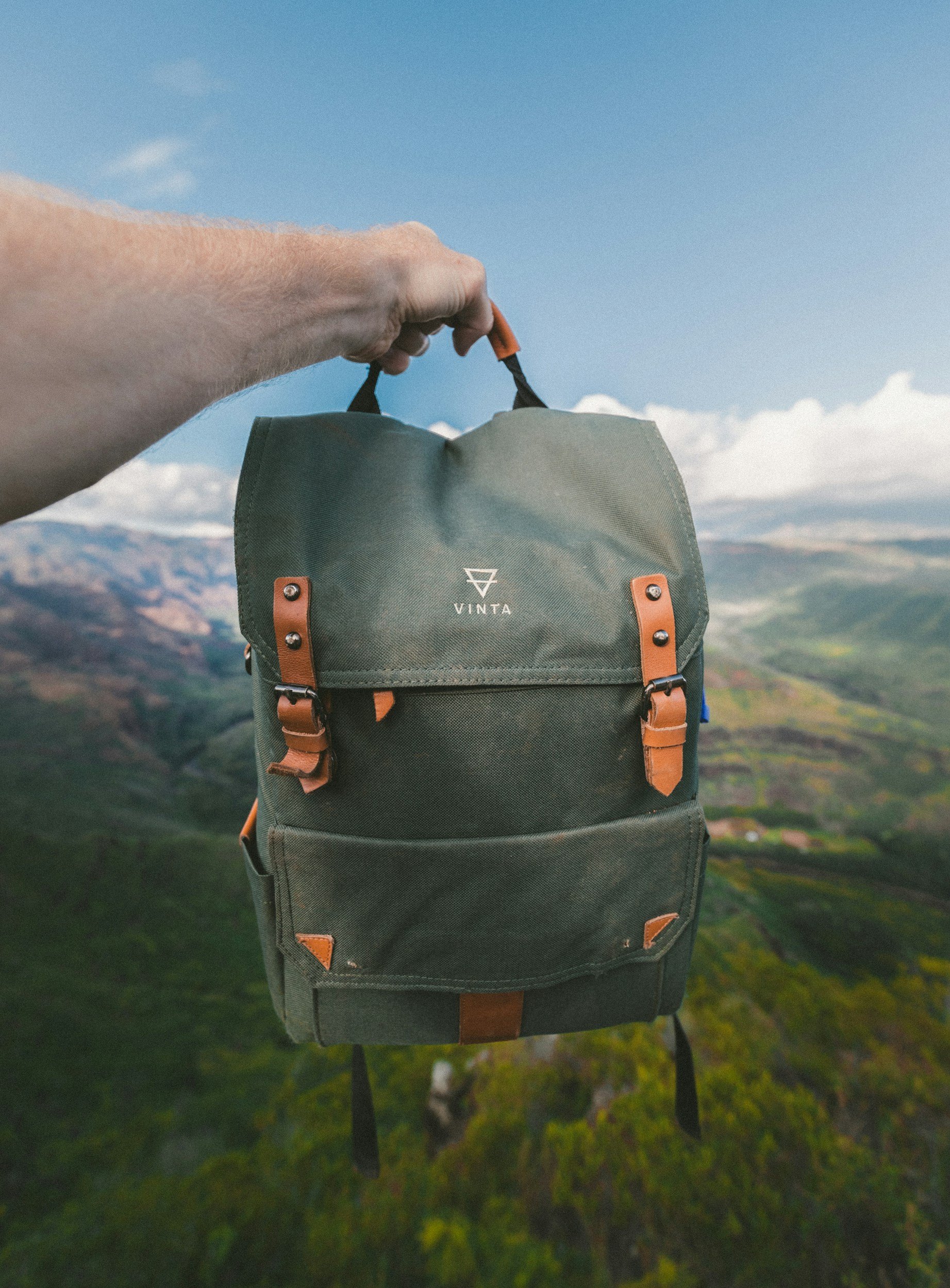
The One-Bag Wardrobe: Mastering the Carry-On for a Week in Asia
Checking a bag adds hours of friction to your trip and introduces the risk of lost luggage. Here is how to pack a single carry-on with a versatile, high-performance wardrobe that works from the airplane cabin to a Michelin-starred dinner.
There is a very specific kind of freedom that comes from stepping off a fourteen-hour flight in Tokyo or Singapore and walking straight past the baggage carousel. While hundreds of exhausted passengers huddle around the conveyor belt, hoping the airline didn't route their suitcase to a different continent, you are already in a taxi heading toward the city.
Traveling out of a single carry-on bag is the ultimate travel hack. It forces you to be highly intentional about what you bring, entirely eliminating the "just in case" items that you never actually wear.
But packing for a week in Asia presents a unique challenge. You have to navigate intense humidity, aggressively air-conditioned bullet trains, and varying dress codes that range from casual street-food markets to high-end cocktail bars. The secret isn't folding your clothes tighter; it is completely changing the fabric you pack.
The Merino Wool Foundation
If your suitcase is currently full of cotton t-shirts, you are packing at a massive disadvantage. Cotton is heavy, wrinkles instantly, and holds onto moisture and odor.
The foundation of a successful one-bag wardrobe is Merino wool. This isn't the heavy, scratchy wool of a winter sweater; modern Merino is spun incredibly fine so it feels as soft as cotton, but acts like performance gear. Brands like Outlier and Wool&Prince engineer tailored t-shirts and button-downs that actively regulate your body temperature in the sweltering heat of Southeast Asia.
More importantly, Merino wool is naturally antimicrobial. You can literally wear a single black Merino t-shirt on a hike in Kyoto, hang it up overnight, and wear it to dinner the next day with absolutely zero odor. By swapping five cotton shirts for two high-quality Merino shirts, you instantly cut your wardrobe volume in half.
The Rule of Three for Footwear
Shoes are the biggest space-killers in any piece of luggage. To make the one-bag strategy work, you have to limit yourself to exactly two pairs of shoes: the pair you wear on the plane, and the pair in your bag.
1. The Transit Shoe: This is the pair you wear to the airport. It needs to be a highly comfortable, supportive sneaker that can handle ten miles of walking a day exploring Tokyo. A clean, minimalist leather sneaker or a sleek athletic shoe works perfectly.
2. The Elevated Shoe: Inside your bag, you pack one lightweight, slightly dressier option. A collapsible loafer or a very slim chukka boot takes up almost zero space but allows you to effortlessly transition into fine dining environments without looking like a tourist who just came from a hike.
Consolidating Your Hardware
When you eliminate the bulk of four extra outfits, you unlock the internal capacity to safely transport your high-value gear.
A well-packed carry-on leaves exactly enough cubic inches to slide in your optical equipment. Instead of surrendering a carbon fiber travel tripod and a compact camera to the cargo hold where they can be damaged, a single-bag setup keeps your visual leverage safely by your side. It also forces you to be ruthless about your tech. If you are balancing a corporate W2 role with your independent business, your bag needs to comfortably isolate both laptops. The one-bag philosophy ensures your focus remains entirely on your assets and your itinerary, rather than managing excess inventory.
The Packing Cube Compression
Finally, you cannot just throw your highly curated clothes into the void of a suitcase. You need to compartmentalize.
Using structured packing cubes transforms your bag into a filing cabinet. You dedicate one cube to your Merino shirts and pants, and a smaller cube to your socks and underwear. When you reach your hotel, you don't even have to unpack. You just pull the two cubes out, place them in the drawer, and your suitcase is immediately empty and out of the way.
Ultimately, mastering the one-bag wardrobe isn't about sacrificing style. It is about investing in high-performance versatility so you can move through the world with zero friction.
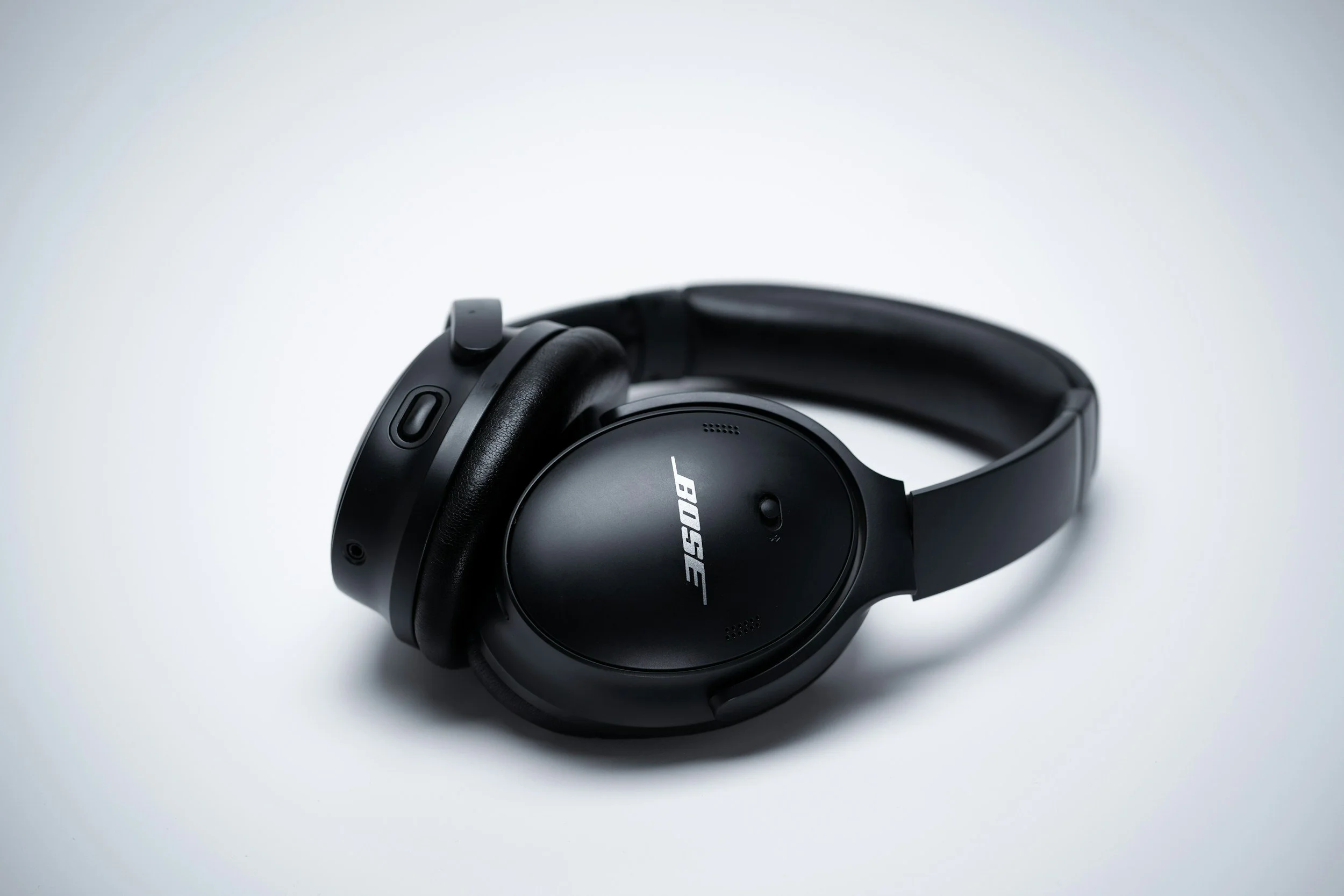
The Auditory Vault: Surviving the 14-Hour Pacific Crossing
Commercial aircraft cabins are incredibly hostile environments. Here is why investing in true acoustic isolation is the single most important hardware choice for long-haul travel, and exactly which headset actually gets the job done.
When you finally secure that elusive lie-flat business class seat to Tokyo using the Chase to Hyatt pipeline, it is easy to assume the hard work is over. You settle into your pod, accept the pre-departure champagne, and wait for takeoff. But the moment those massive twin engines spool up, you are suddenly reminded of a harsh reality: commercial aircraft are incredibly loud, physically exhausting environments.
For the next fourteen hours, you will be subjected to a constant 85-decibel drone. That low-frequency rumble does not just ruin your ability to watch a movie; it causes genuine physical fatigue. You land feeling drained, and it isn't just because of the time zone change. You are exhausted from the acoustic assault. To actually enjoy a long-haul flight, you must invest in an auditory vault.
While the market is flooded with premium noise-canceling options, evaluating them strictly through the lens of international travel quickly eliminates the most popular contenders.
The Weight Liability
If you walk through any first-class lounge, you will inevitably see dozens of travelers wearing the Apple AirPods Max. From a purely aesthetic standpoint, they are gorgeous pieces of hardware. But from an operational standpoint, they are a massive liability for a fourteen-hour flight.
Because Apple chose to construct the ear cups out of solid aluminum and stainless steel, the headset weighs a staggering 385 grams. That is over half a pound of metal resting directly on your neck. While the mesh canopy tries to distribute the weight, you will absolutely feel that pressure after hour six over the Pacific.
Worse is the travel profile. The AirPods Max do not fold, and they come with a flimsy polyurethane sleeve that leaves the metal canopy completely exposed. If you are sliding these into a tightly packed carry-on bag, you are essentially asking for them to get crushed or scratched against your laptop.
The Spatial Compromise
The next natural pivot is usually the Sony WH-1000XM5. Sony has built a massive reputation for class-leading active noise cancellation, and the sound profile is undeniably excellent.
However, when Sony redesigned this flagship headset, they made one fatal flaw for frequent flyers: they removed the folding hinges. The ear cups lay flat, but they do not collapse inward. Because of this, the included protective travel case is comically large. When you are traveling carry-on only and every cubic inch of your Briggs & Riley bag is heavily calculated, dedicating that much internal real estate to a headphone case creates unnecessary friction in your packing strategy.
The Ultimate Acquisition
To survive an ultra-long-haul flight, you need a headset that strikes the perfect mathematical balance between acoustic isolation, physical weight, and spatial efficiency. The premier asset in this category remains the Bose QuietComfort Ultra.
Retailing for roughly $449, the QuietComfort Ultra represents the gold standard for travel hardware. While other brands have drifted toward heavy luxury materials or rigid designs, Bose remembered exactly who their core demographic is: the frequent flyer.
Here is why they fundamentally outclass the competition in the air:
The Weight Profile: At just 250 grams, they are drastically lighter than the Apple alternative. The clamping force is dialed in so perfectly that you genuinely forget you are wearing them after the first hour.
The Folding Architecture: Unlike the Sony XM5 or the AirPods Max, the Bose Ultras retain traditional folding hinges. They collapse tightly into a slim, rigid travel case that easily slides into the front pocket of a backpack without warping your laptop compartment.
The Acoustic Engine: Bose essentially invented consumer active noise cancellation, and the Ultra model is terrifyingly good at its job. It specifically targets and neutralizes the exact low-frequency drone of jet engines, dropping the cabin volume to a quiet whisper so you can actually sleep.
The Battery Math: With a 24 to 30-hour continuous battery life, you can turn the noise cancellation on at LAX, fly all the way to Tokyo, take a bullet train to Kyoto, and still have enough juice left to walk to your hotel in complete silence.
The Interlinking Strategy
Get your Bose QuietComfort Ultra here
When you are ready to acquire a $400+ piece of audio hardware, never put it on a standard debit card. If you accidentally leave these in the seatback pocket or drop them on the tarmac, you want your bank to cover the replacement cost.
If you haven't already, review the Amex Platinum Purchase Protection Protocol. You can use your premium credit card to effectively insure this headset for free, ensuring your travel capital is perfectly protected.
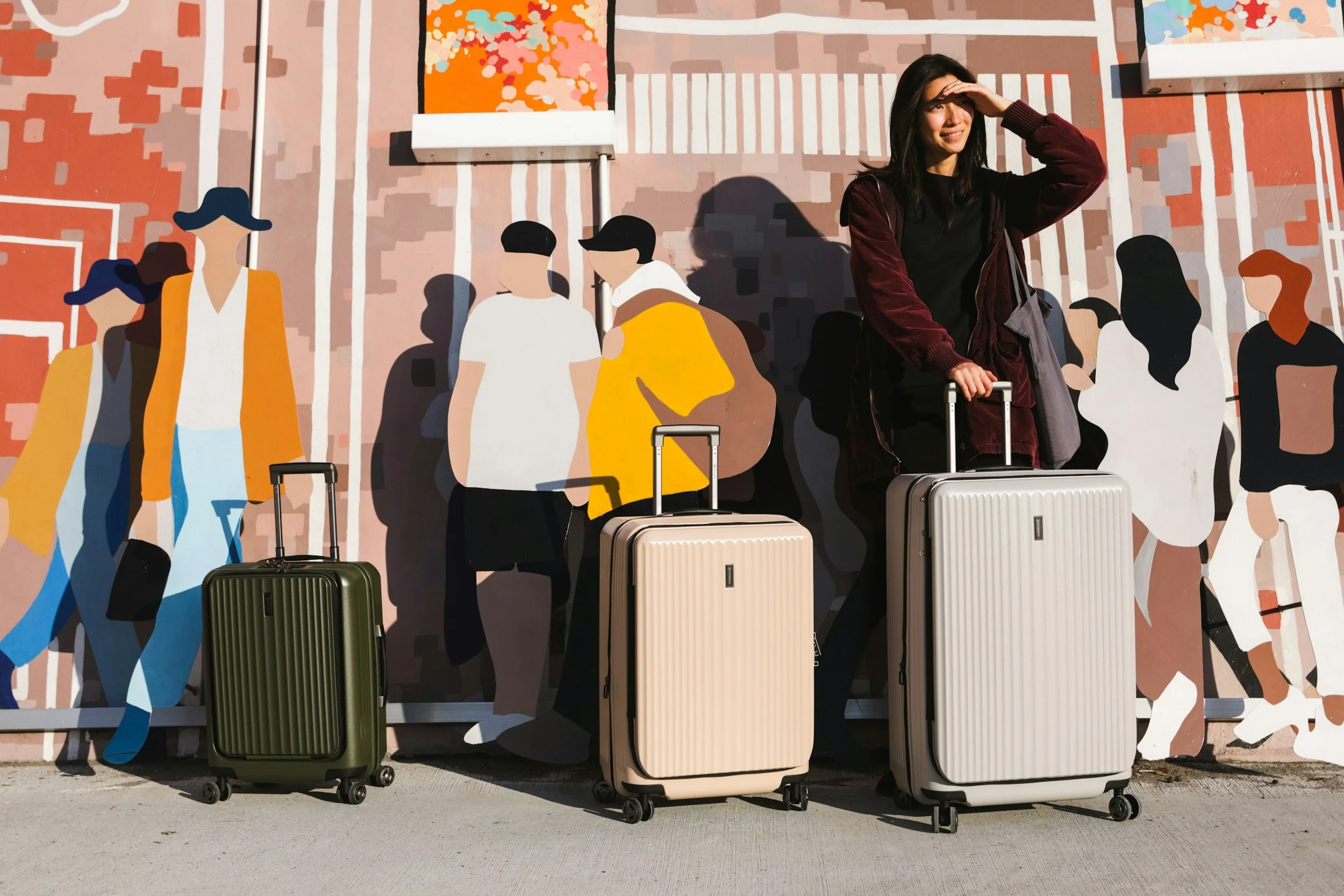
What are the Top 3 Best Luggages?
The travel industry markets luggage as a disposable fashion accessory. Here is the mathematical breakdown of the top three carry-on platforms and which one actually protects your workflow.
The Hardware Deficit
Most professionals treat luggage as a low-priority purchase. They cycle through a new bag every three years because a wheel bearing fails or a zipper splits. Luggage is not just a container; it is a mobile vault for your hardware and wardrobe. When you are optimizing your credit card rewards for a long-haul flight to Asia, a failed zipper in the international terminal is a catastrophic logistical failure.
To solve this, we must evaluate the three distinct tiers of the carry-on market: the entry-level baseline, the status symbol, and the mathematical absolute:
Baseline Global Carry-On Spinner
-
$729.00
Material: Ballistic Nylon
Warranty: Unconditional Lifetime
Hardware Protection: Internal ratcheting system
Best for: Lifetime ROI and absolute durability
-
$800.00
Material: Polycarbonate
Warranty: Lifetime
Hardware Protection: Flex dividers
Best for: Aesthetic signaling & lightweight transport
-
$251.00
Material: Aerospace-grade Polycarbonate
Warranty: Limited Lifetime
Hardware Protection: Front laptop pocket
Best for: Entry-level tech organization
The Entry-Level Baseline
The Monos Carry-On Pro represents the entry-level of serious travel hardware. Built from aerospace-grade polycarbonate, its core advantage is the dedicated front tech compartment. This allows you to quickly extract a laptop at TSA without opening the main clam-shell body. However, as an expandable polycarbonate bag, the zipper introduces a structural weak point. It is a highly efficient bag for short, domestic hops, but the exterior is prone to cosmetic scuffing over time.
The Status Trap
The Rimowa Essential Cabin is the gold standard for travel aesthetics. It utilizes a premium multiwheel system that glides effortlessly across terminal floors, and the rigid polycarbonate shell is exceptionally lightweight. The liability here is the price-to-durability ratio. You are paying a massive premium for the brand heritage. Because it utilizes a strict clam-shell design without external pockets, extracting a laptop mid-flight requires opening the entire case, which creates unnecessary friction in your workflow.
The Mathematical Absolute
The Baseline Global Carry-On Spinner is the only mathematically sound capital expenditure. Unlike rigid polycarbonate that cracks under pressure, the high-strength ballistic nylon absorbs impact. It features a proprietary CX compression system—you expand the bag, overpack it, and physically push the steel frame down to compress the air out. Most importantly, it carries an unconditional lifetime warranty. If an airline destroys a wheel, they fix it for free.
The Verdict
Do not rent your travel gear. Buy a permanent asset. The Baseline Global Carry-On Spinner eliminates the need to ever purchase another carry-on. It protects your hardware and amortizes its cost beautifully over a ten-year travel horizon.

DJI Mini 4 Pro: Documenting your Luxury Travel
Spending five figures on a cliffside resort and documenting it from the ground is a severe limitation. Here is the exact hardware required to capture the true scale of your travel investments without triggering aviation regulations.
The Ground-Level Deficit
When travelers secure high-end redemptions at properties like the Grand Hyatt Kauai or a waterfront suite in Tokyo, they attempt to document the environment from a balcony. This captures a fraction of the actual landscape.
You are paying a massive premium for the geography. A phone camera held at eye level cannot physically record the surrounding topography, the ocean clarity, or the architectural isolation of the property. You are leaving massive visual data on the table because you are restricted to terrestrial angles.
The Regulatory Friction
The standard solution is acquiring a drone. However, standard drones introduce a nightmare of government friction.
Anything weighing 250 grams or more triggers mandatory FAA registration in the United States. If you take a heavy drone to Japan or Europe, you face severe licensing requirements, customs delays, and potential confiscation. The bureaucracy ruins the utility of the hardware. You need the aerial capability without the legal liability.
The Weight Loophole
You must acquire hardware engineered specifically to exploit international aviation laws. The premier asset for this exact purpose is the DJI Mini 4 Pro Fly More Combo.
DJI engineers designed this specific unit to weigh exactly 249 grams. By sitting a single gram under the legal threshold, it legally classifies as a toy in most global jurisdictions. You bypass the registration databases. You bypass the remote identification broadcast requirements. You simply pull it out of your bag, launch it from the beach, and capture flawless 4K video of the coastline.
The Software Advantage
Previous lightweight models required actual piloting skills. If you flew them near a building, you risked a total loss of the asset.
The Mini 4 Pro eliminates human error through hardware sensors. It features omnidirectional obstacle avoidance. If you accidentally fly it directly at a palm tree or a hotel wall, the internal processing physically stops the drone from crashing. The software protects your capital investment. It also features automated tracking. You can draw a box around yourself on the controller screen, walk down the beach, and the drone will fly itself autonomously to keep you in the center of the frame.
The Lifecycle Yield
The Fly More Combo retails for roughly $1,100. It includes three batteries and a dedicated screen on the controller so you do not have to drain your phone battery to fly it.
When you divide that $1,100 across a lifetime of international trips, it becomes a fractional tax on your travel budget. It turns a standard vacation album into a cinematic record of your exact spatial location.
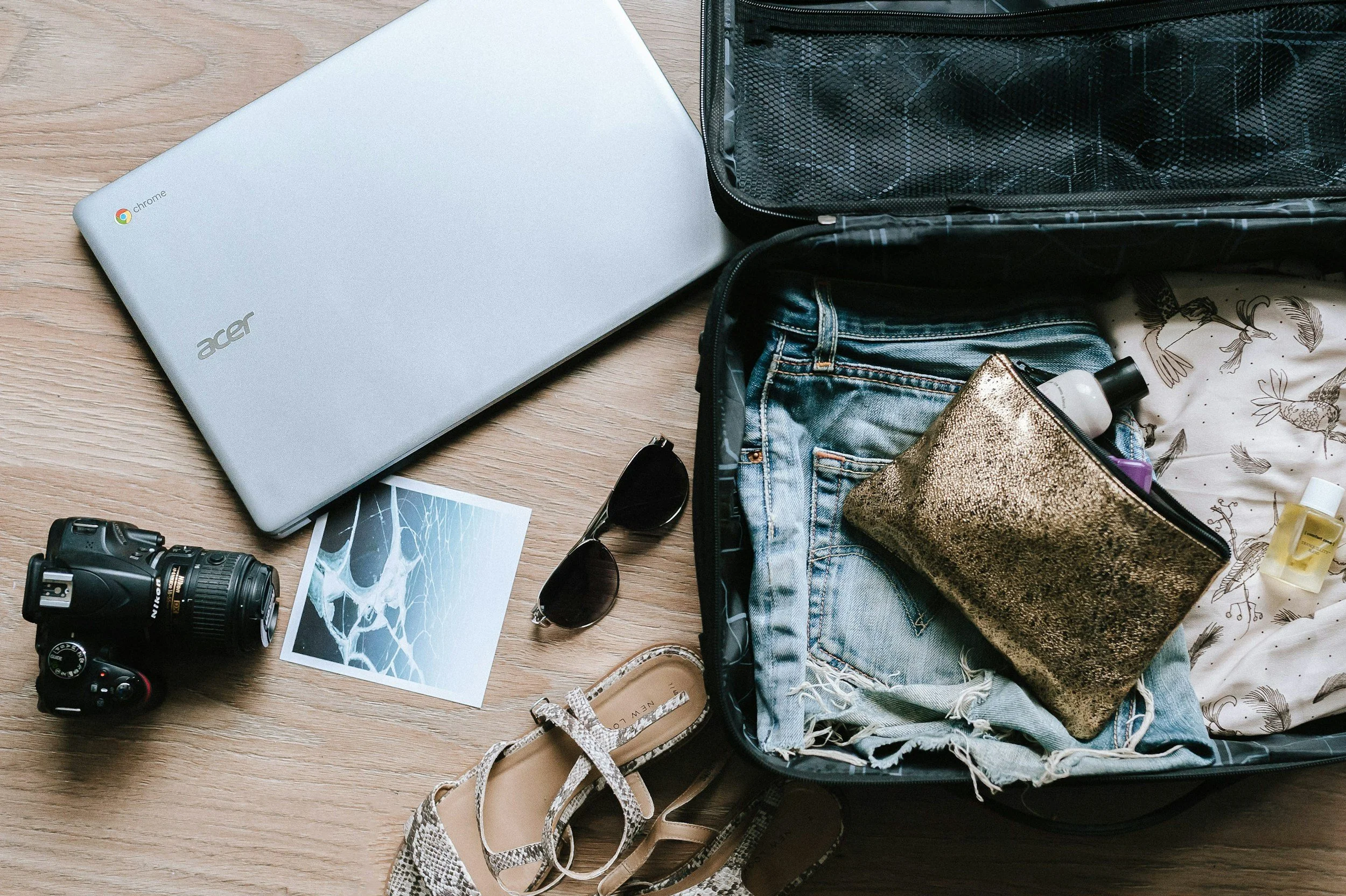
Reviewing the Tumi Alpha Brief Pack
Using a soft canvas backpack to transport thousands of dollars in tech hardware is a critical vulnerability. Here is the ballistic nylon acquisition that protects your capital and organizes your portfolio.
The Soft-Shell Liability
Professionals frequently make a massive miscalculation regarding their daily carry. They spend $3,000 on high-end laptops, $1,300 on cameras, and $500 on noise-canceling headphones, and then dump all of those assets into a $60 unstructured canvas backpack.
This introduces two severe points of failure.
First is the physical risk. A soft bag provides zero impact resistance. When you are rushing through a terminal to catch a long-haul flight to Asia and the bag swings into a doorframe, the kinetic energy transfers directly into your laptop chassis.
Second is the aesthetic degradation. Showing up to a high-net-worth client meeting or walking into a First Class lounge with a sagging, faded backpack instantly destroys the meticulous professional aesthetic you have built. You look like a student, not a strategist.
The Ballistic Nylon Acquisition
You require a structured containment system. The premier asset in the mobile workstation category is the Tumi Alpha 3 Brief Pack.
This unit retails for approximately $895. While the upfront capital expenditure is high, the engineering justifies the cost. The chassis is constructed from Tumi’s proprietary FXT ballistic nylon. This material was originally developed for military body armor. More importantly, the bag features an internal rigid frame. Whether the bag is completely empty or loaded with thirty pounds of gear, it stands perfectly upright on the floor. It never sags.
The Dual-Machine Isolation
Balancing a W2 job with independent 1099 contracting/personal requires carrying two completely separate machines. You cannot mix corporate data with personal business operations.
A standard backpack cannot isolate two laptops without grinding the aluminum cases against each other. The Alpha 3 features a dedicated, high-density foam compartment in the rear. It is engineered with distinct dividers that perfectly separate and suspend both assets simultaneously, keeping them away from the crush zones at the bottom of the bag.
The Portfolio Grid
Managing an optimized travel strategy means physically carrying the plastic. When you are actively cycling through an Amex, a Chase, a Citi, and an Alaska Airlines card to ensure you capture every possible category multiplier on a trip, you cannot dump them into a loose zipper pouch.
The Alpha 3 eliminates rummaging. The front U-zip pocket acts as a structured filing system. It features an integrated, RFID-shielded organizational grid. It keeps high-limit credit lines secure but instantly accessible when you need to quickly pull the right card for a specific terminal purchase.
The Lifecycle Amortization
Do not view the $$895 price tag as a one-time clothing purchase. View it as a ten-year infrastructure lease.
A cheap bag tears at the straps after 18 months of heavy travel, forcing a constant cycle of replacement. The Tumi is built to last a decade. Amortized over ten years, you are paying $75 annually for a sleak mobile vault that physically protects your income-generating hardware and elevates your professional leverage in every room you enter.
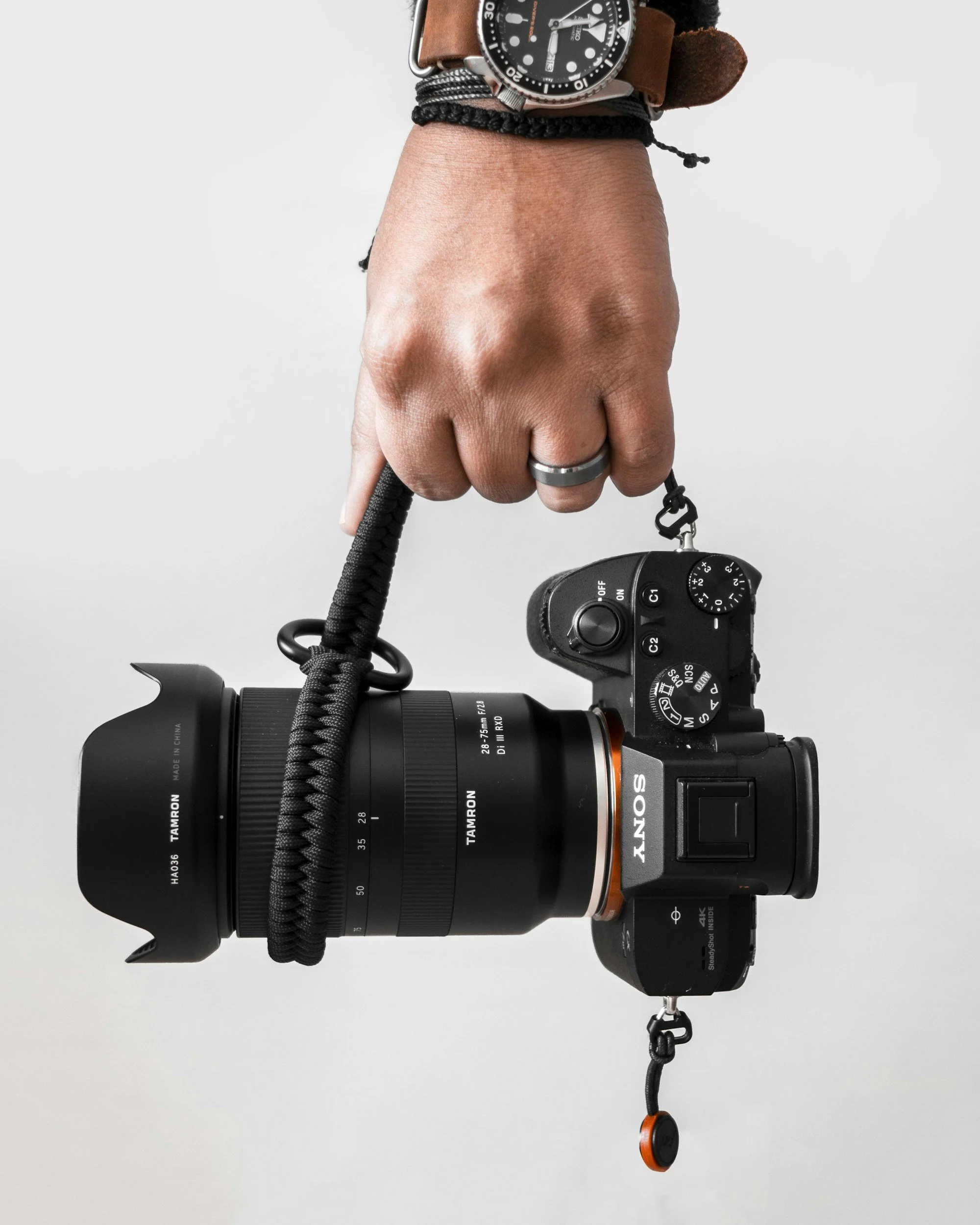
Why Smartphone Lenses Distort High-Value Travel
You spent $10,000 on a transpacific flight and a luxury resort. Relying on an iPhone to document the experience is a catastrophic data capture failure. Here is the hardware for optical reality.
The Algorithmic Illusion
The modern smartphone does not take photographs. It gathers light data and uses artificial intelligence to heavily guess what the image should look like.
When you take a picture of a sunset in the Maldives with a phone, the software aggressively sharpens the edges, artificially saturates the blues, and flattens the depth of field. The resulting file is a synthetic composite, not an optical reality. Furthermore, the physical sensor inside a phone is roughly the size of a fingernail. It simply cannot absorb enough photons in low-light environments, resulting in grainy, degraded images when shooting inside a dim Michelin-starred restaurant.
The Sensor Real Estate Solution
To capture a high-fidelity record of your capital expenditures, you must bypass computational guessing and rely on pure physics. You need massive sensor real estate.
Dragging a heavy, interchangeable-lens DSLR camera across Europe introduces too much physical friction. The operational sweet spot is the Sony RX100 VII.
This unit fits entirely inside a jacket pocket.
The Hardware Superiority
The RX100 VII utilizes a 1-inch sensor, which is physically massive compared to a smartphone. This allows it to capture authentic depth of field—where the subject is razor-sharp and the background naturally blurs through optical physics, not software simulation.
It also features a true mechanical 24-200mm zoom lens. When you digitally zoom on a phone, you are just cropping pixels and destroying image quality. The Sony utilizes physical glass elements to pull subjects closer without losing a single megapixel of resolution. It shoots 20 frames per second, ensuring you capture the exact microsecond of an action shot without motion blur.
The Final Assessment
You do not optimize your flights, your hotels, and your dining only to secure a low-resolution, iPhone picture of the memory. The Sony RX100 VII guarantees high-fidelity data retention without the logistical burden of professional camera gear.
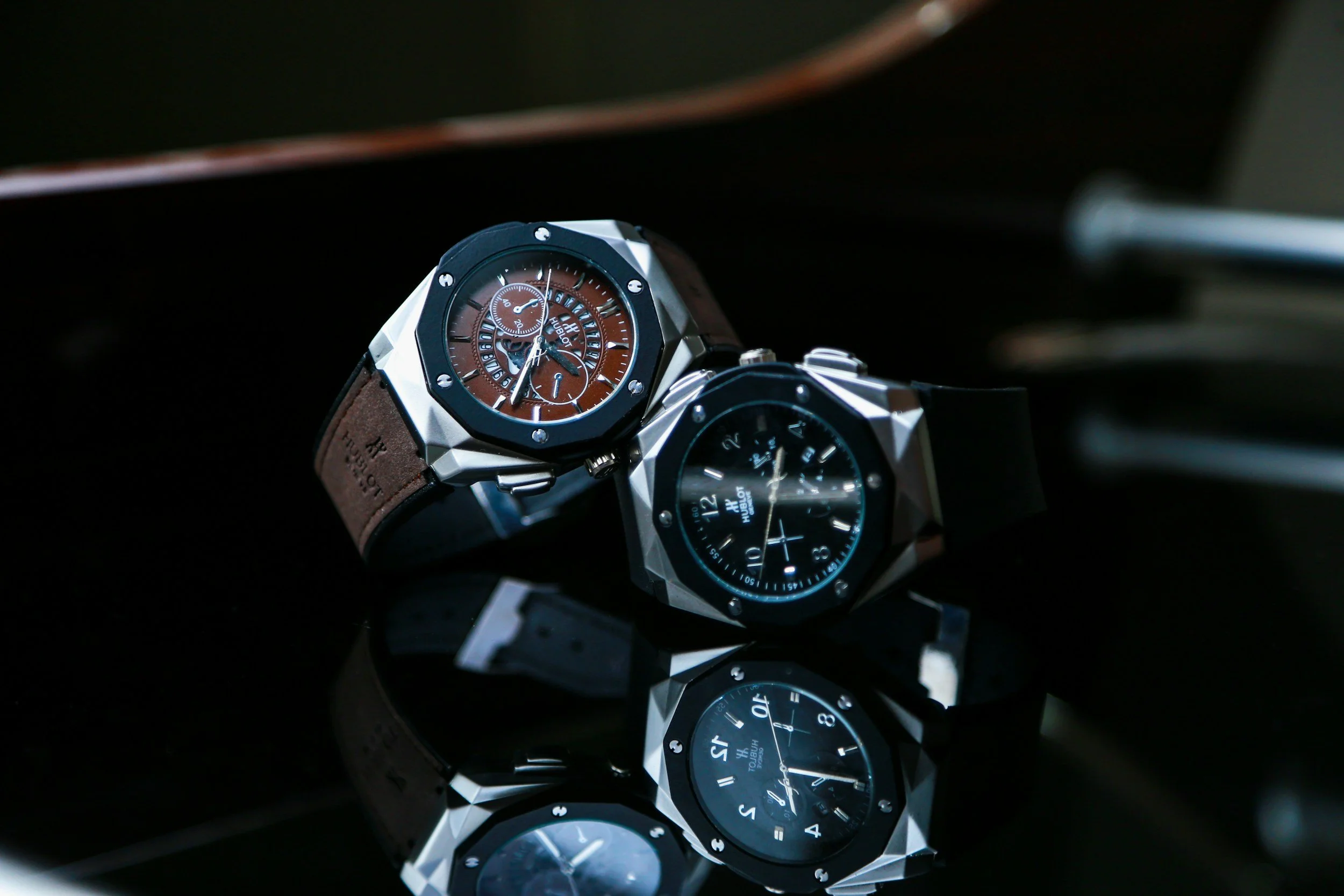
The Watch Transit Protocol
Transporting a $10,000 mechanical timepiece in a piece of rolled-up clothing is structural negligence. Here is the physical risk mitigation strategy for luxury hardware.
The Transit Liability
When a traveler packs a secondary mechanical watch for a trip—a dive watch for the resort pool and a dress watch for the Michelin dinner—they usually default to a massive logistical error. They stuff the secondary piece into a shoe or wrap it in a t-shirt inside their checked luggage.
This introduces two severe points of failure.
First, checked luggage is subjected to extreme impact forces on the tarmac. A mechanical watch movement contains hundreds of microscopic gears. A sudden blunt-force shock will shatter the sapphire crystal or dislodge the mainspring.
Second, the magnetic fields generated by airport security scanners and aircraft cabin infrastructure can easily magnetize a hairspring, causing a highly accurate chronometer to run minutes fast per day. You must physically isolate the hardware.
The Structural Enclosure
You do not trust a $10,000 asset to cotton. You require a dedicated transit enclosure designed specifically for shock absorption and spatial efficiency.
The industry standard for this specific logistical problem is the WOLF Blake Watch Roll.
WOLF is a legacy manufacturer that engineers watch storage utilizing a rigid cylindrical chassis. It prevents the external crushing forces of an overpacked carry-on bag from reaching the timepiece.
More importantly, it features internal suspension. The watch wraps around a compressible cushion that absorbs kinetic energy before it reaches the movement. The ultra-suede lining prevents micro-abrasions on polished steel or precious metal cases during transit turbulence.
The Final Assessment
If you allocate serious capital toward a mechanical watch collection, failing to spend a fraction of that cost on proper transit security is a mathematical failure. Secure the asset, keep it strictly in your carry-on luggage, and eliminate the risk of a shattered dial thousands of miles from your jeweler.

Transcontinental Skincare Logistics: The Three-Variable Hydration Stack
Airplane cabins are essentially pressurized deserts. We use a specific, high-density ingredient stack to prevent trans-epidermal water loss on long flights and trips.
The Humidity Deficit
Commercial aircraft cabins are pressurized with air drawn from the high altitude atmosphere. This air contains almost zero moisture. The relative humidity inside the cabin quickly drops below ten percent. For context, the Sahara Desert averages twenty-five percent humidity.
When you sit in this environment for fourteen hours, the dry air aggressively extracts moisture from your face. If you land in Tokyo with compromised skin, it takes days to repair the barrier. Standard drug store moisturizers simply evaporate. You need a targeted, high-density approach.
The Three-Variable Equation
You need a stack of active ingredients that serve specific mechanical functions under extreme conditions.
Variable One is Hyaluronic Acid. This molecule holds a thousand times its weight in water. Applying this first acts as a moisture magnet, pulling hydration into the cellular matrix before the cabin air can extract it.
Variable Two is Niacinamide. This Vitamin B3 derivative physically strengthens the lipid barrier. It acts as the mortar between your skin cells, locking the hyaluronic acid inside and preventing external irritants from causing inflammation during transit.
Variable Three is your cell communicator. If you use a prescription strength retinoid like tretinoin, the rapid cell turnover leaves your skin exceptionally vulnerable to dehydration. You must apply the hyaluronic acid and niacinamide as a protective baseline before sealing the face with a heavy occlusive cream.
The High-Yield Acquisitions
You cannot compromise on the formulation of these active ingredients. Cheap serums sit on the surface and pill under cabin pressure.
For the absolute highest efficiency moisture retention, the SkinCeuticals Hyaluronic Acid Intensifier is the premier asset. It is a $110 acquisition that utilizes a highly concentrated, multi-weight formula to penetrate deep into the skin rather than evaporating.
To fortify the barrier, the Paula's Choice Clinical 20% Niacinamide Treatment is the industry standard. It delivers a massive dose of the active ingredient in a travel-friendly dropper that complies with all aviation liquid limits.
The Final Assessment
Do not let a poorly planned grooming strategy ruin the first three days of your trip. Acquire the correct chemical compounds, layer them strategically, and land with your skin barrier completely intact.
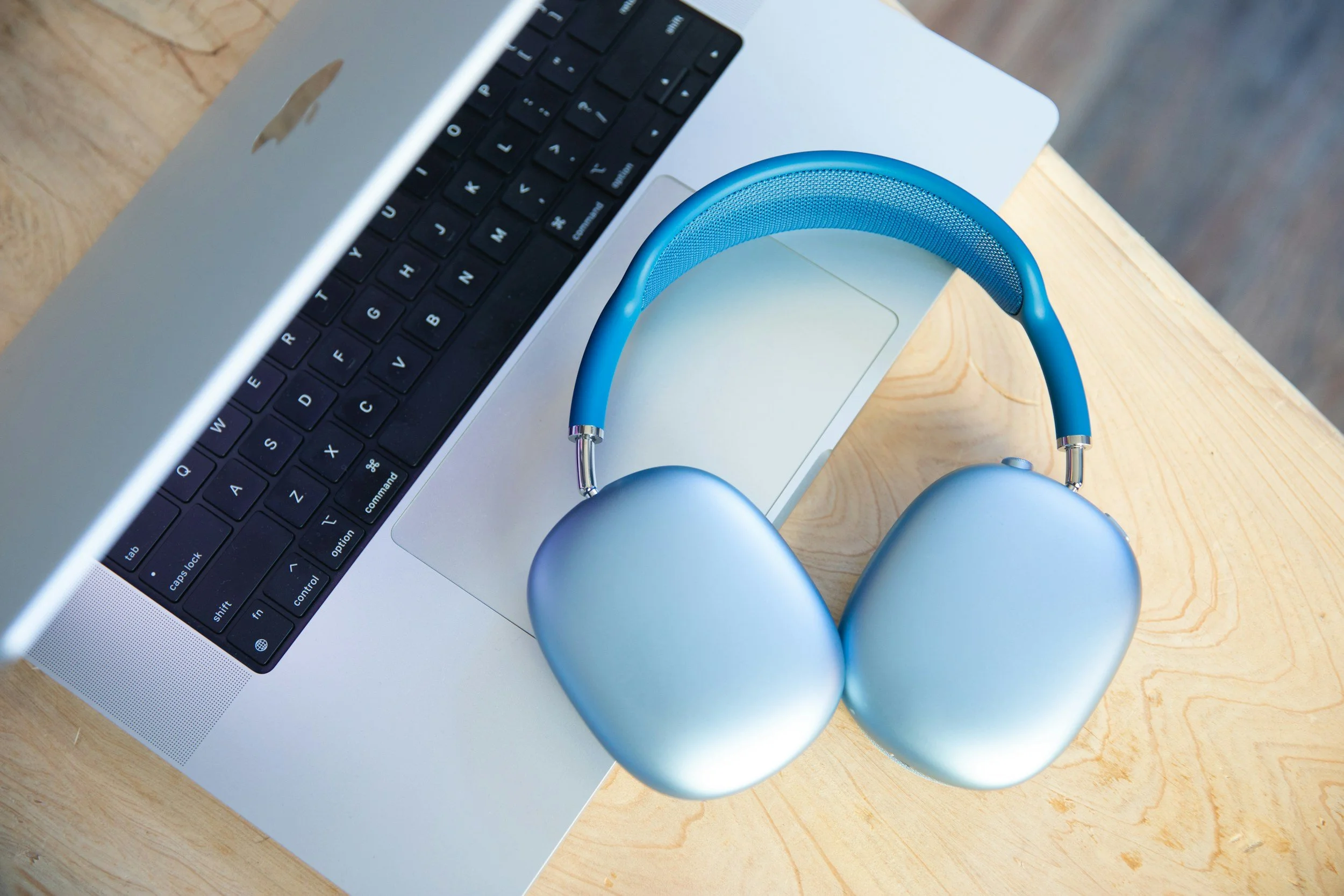
The Acoustic Isolation Analysis: Why Plastic Headphones Are a Depreciating Asset
Frequent flyers constantly cycle through $350 polycarbonate headphones that physically degrade over time. Here is the mathematical argument for a $449 aluminum acquisition.
The Material Degradation Problem
When evaluating active noise cancellation hardware, most buyers focus entirely on the software. They compare the decibel reduction of the Sony WH-1000XM5 against the Bose QuietComfort Ultra. They ignore the material science of the chassis.
Sony and Bose construct their flagship headphones using polycarbonate plastic. Over hundreds of travel cycles, plastic hinges experience stress fatigue. The clamping force weakens. The synthetic leather ear pads crack and flake. You are forced to replace a $350 unit every three years not because the software failed, but because the physical hardware degraded.
The Aluminum Solution
The Apple AirPods Max recently updated to USB-C charging, eliminating the final piece of cable friction for modern travelers. The retail price sits at $449.
While the initial capital expenditure is significantly higher than the plastic alternatives, the lifecycle math favors the aluminum build. The ear cups are forged from anodized aluminum. The headband frame is surgical-grade stainless steel. The ear cushions attach magnetically and can be swapped out for $69 when they wear down, rather than forcing you to replace the entire headset.
You are buying a permanent piece of travel hardware. Not to mention the seamless integration with your iPhone or your Macbook Pro — it just works. No more fumbling with the inter-OS connections.
The Connectivity Friction
When you are moving through a busy terminal, you need your audio to transition from your phone to your laptop instantly. Standard Bluetooth multipoint pairing is notoriously unreliable. It frequently drops the signal or refuses to switch when a call comes in.
If you use a MacBook and an iPhone, the AirPods Max eliminate this friction completely. The internal silicon manages the handoff automatically. You close your laptop, put your phone in your pocket, and the audio source shifts without a single button press. This right here is worth your time and money to have seamless integration with all your products.
The Final Assessment
Stop renting fragile plastic electronics. A transpacific flight is exhausting enough without dealing with a cracked headphone hinge or a dropped Bluetooth connection.
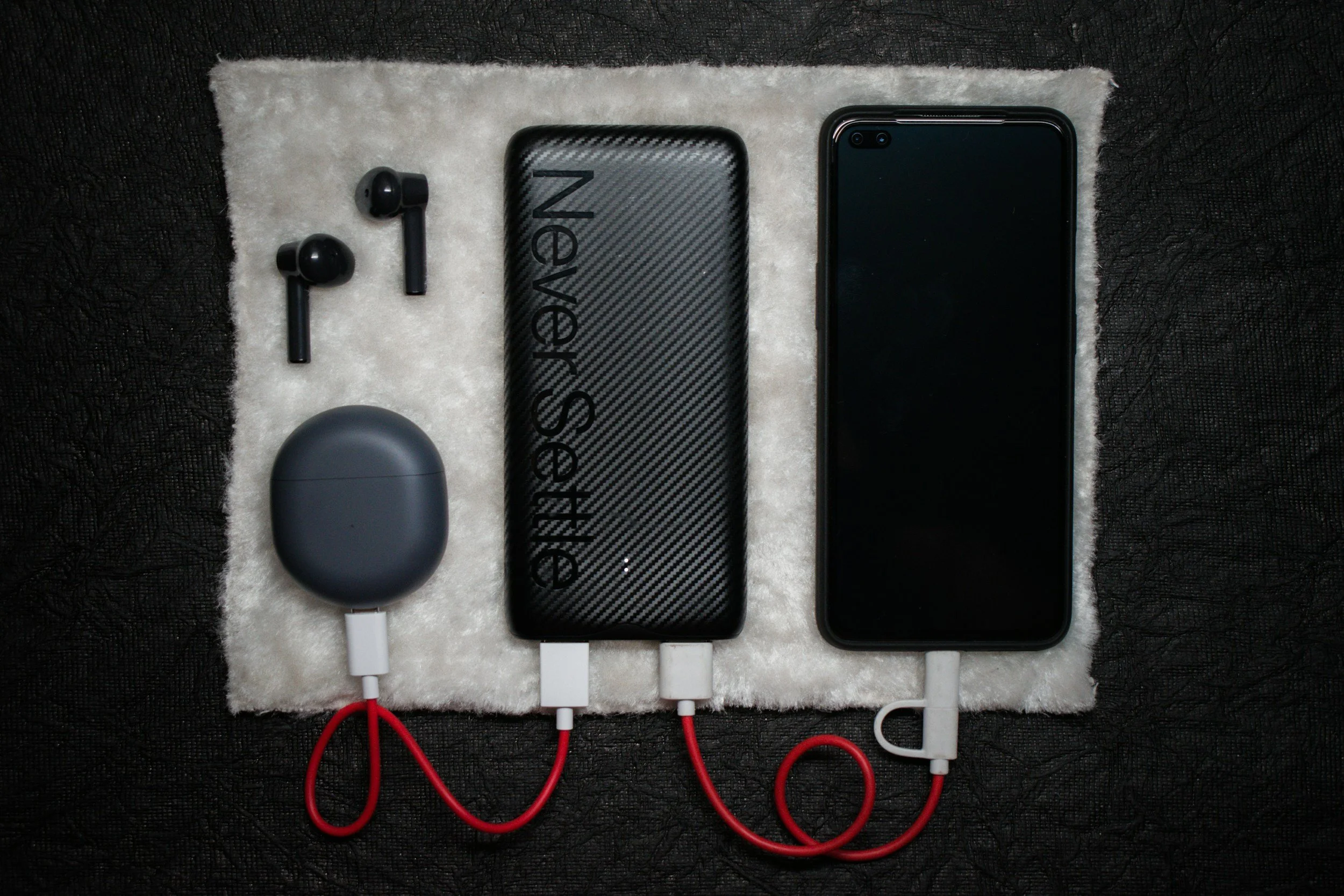
Why Cheap Power Banks are a Travel Liability
Relying on low-wattage batteries to power heavy-draw hardware creates massive friction in transit. Here is the framework for continuous power from Los Angeles to Tokyo.
The Power Deficit
Most travelers walk into an airport electronics store and buy a $30 battery pack. They look at the capacity number on the box and assume it will keep their devices alive for an international trip.
This is a fundamental misunderstanding of electrical throughput.
If you attempt to charge a modern MacBook Pro with a standard cheap battery, the laptop will actually continue to drain. The power draw of the computer working is higher than the power output of the battery. The battery will overheat, throttle its output, and eventually shut down completely.
You do not just need capacity. You need wattage.
The Output Metric
A standard phone charger outputs around 15 to 20 watts. A high-end laptop requires between 65 and 140 watts to charge while under heavy load.
When you are on a 14-hour flight and the seat outlet is broken, a low-wattage battery is entirely useless. You are instantly disconnected. You lose a full day of work because your hardware cannot sustain the required power draw.
To solve this friction, you must acquire hardware specifically engineered for high-throughput delivery.
The Anker Prime 250W Solution
The premier asset in the portable power category is the Anker Prime 27,650mAh (250W).
This unit retails for a significant premium, usually sitting around $180. The price tag is justified by two distinct mathematical advantages that completely eliminate travel charging anxiety.
1. The Absolute Legal Maximum Aviation authorities strictly regulate lithium-ion batteries. The Federal Aviation Administration (FAA) limits carry-on batteries to exactly 100 Watt-hours (Wh) without prior airline approval.
The Anker Prime is engineered to sit exactly at 99.54Wh. It is the absolute maximum legal limit you can carry onto a commercial aircraft. You are capturing every single drop of allowable power without risking confiscation at the security checkpoint.
2. The 250-Watt Delivery System Capacity means nothing if you cannot deliver the power quickly. This unit features dual high-speed USB-C ports that can output a combined 250 watts. You can plug in two MacBook Pros simultaneously and charge both of them at full speed while rendering video or running complex spreadsheets.
The Recharge Velocity
The true bottleneck of massive batteries is the recharge time. A standard high-capacity battery takes eight to twelve hours to refill plugged into a wall. If you only have a short layover, a dead battery stays dead.
The Anker Prime utilizes a dual-port recharge system that pulls 170 watts from the wall. You can completely refill the massive 27,650mAh cell in under 45 minutes. If your first flight gets delayed and you only have 15 minutes in the airline lounge before boarding your connection, you can plug this in and absorb enough power to run your laptop for the entire next leg of the journey.
The Final Assessment
Stop buying disposable $30 batteries that fail under pressure. When your ability to work or navigate a foreign city depends on a charged device, you need industrial-grade throughput.
Purchasing the absolute legal limit of portable power is the only way to guarantee your hardware stays online regardless of external circumstances.
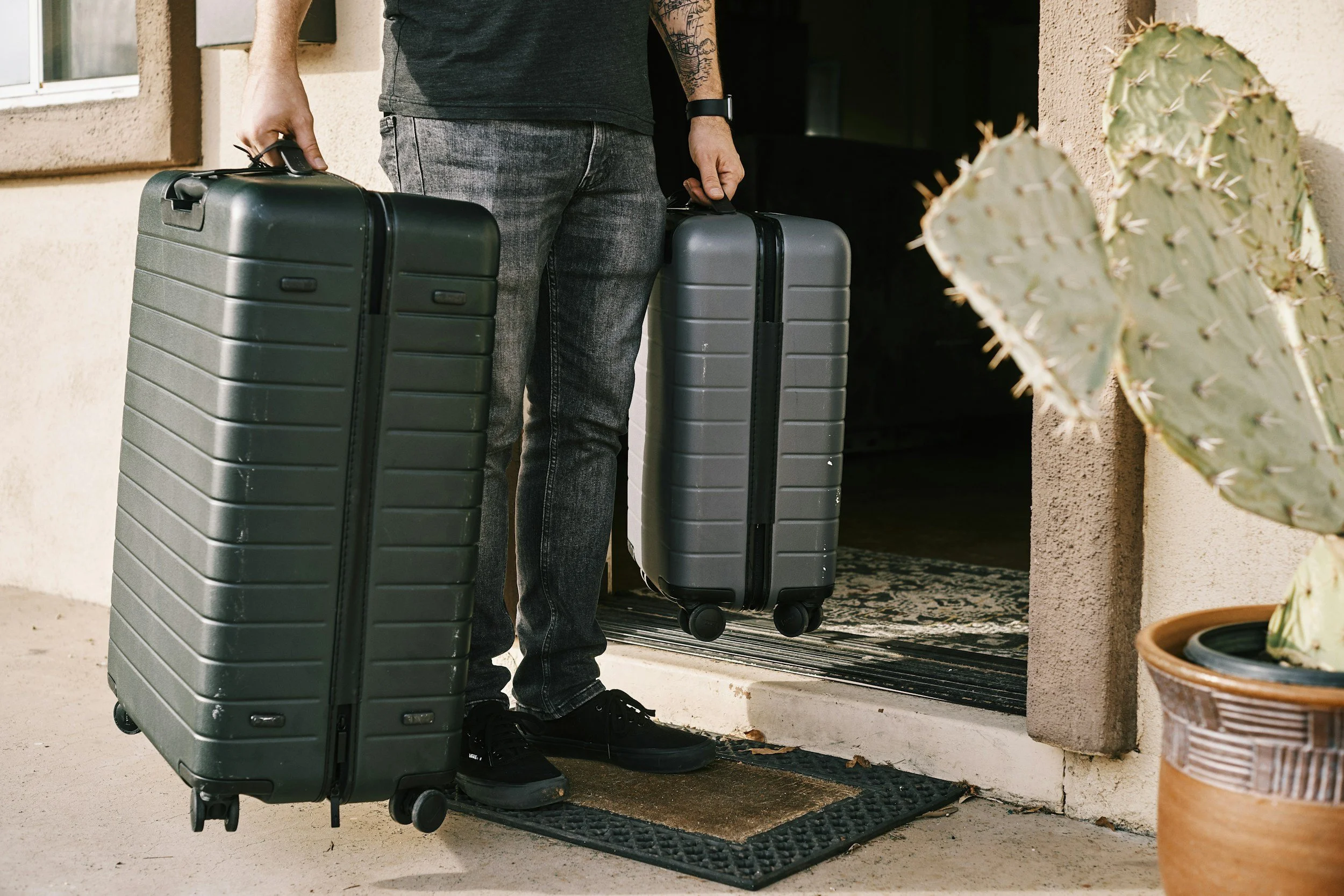
The Luggage Lifecycle Analysis: Why Polycarbonate is a Depreciating Asset
Travelers waste capital replacing $300 hard-shell suitcases every four years when the wheels fail. Here is the mathematical argument for the lifetime acquisition.
The Capital Expenditure Problem
Most travelers view luggage as a disposable container. They go to a department store or browse Amazon for a sleek, hard-shell polycarbonate carry-on. They spend $250. It looks great on the first trip.
By year three, the telescopic handle sticks. The wheels drag because the bearings are completely shot. The zipper tracks separate under the tension of being overpacked. The traveler throws it away and spends another $250.
Over a ten-year timeline, the amateur spends $750 to $1,000 on mediocre hardware that actively introduces friction into their travel logistics. We do not rent our gear. We buy permanent assets.
The Polycarbonate Trap
The travel industry heavily markets polycarbonate (hard-shell) luggage. Brands like Away and Samsonite push the aesthetic of a smooth, rigid exterior.
From an engineering perspective, a rigid exterior is a massive liability.
When you fly on smaller regional jets, the overhead bins are compressed. If you force a rigid polycarbonate shell into a space that is a fraction of an inch too small, the shell cracks. There is no flex. Once the structural integrity is compromised, the bag is garbage.
Furthermore, hard-shell bags split exactly down the middle (clam-shell design). This means you need a massive footprint to open the bag in a standard hotel room. It is a highly inefficient use of space.
The Ballistic Nylon Arbitrage
If you look at the flight crews doing long-haul routes to Asia, they do not carry hard-shell luggage. They carry soft-sided Ballistic Nylon.
The premier asset in this category is the Briggs & Riley Baseline Essential Carry-On.
It retails for a massive premium upfront. It is a $700+ capital expenditure. However, when you run the lifecycle analysis, the math heavily favors the acquisition.
1. The CX Compression Engineering Standard suitcases use expanding zippers. If you overpack, the bag expands outward, and suddenly it no longer fits in the overhead sizer. You are forced to check the bag and pay a fee.
The Briggs & Riley uses a proprietary internal ratcheting system. You pull the internal walls up, pack the bag full, zip it shut, and then physically press down on the top of the suitcase. The internal steel brackets compress the air out of the clothing and lock the bag down to the exact legal carry-on dimensions. You fit 25% more inventory into the exact same spatial footprint.
2. The Perpetual Warranty This is the single variable that changes the mathematical equation. Briggs & Riley offers an unconditional lifetime guarantee.
If the airline rips the handle off, they fix it for free. If you wear the wheel bearings down to the axle after five years of heavy travel, they replace them for free. You never have to buy another piece of primary luggage for the rest of your life.
The $700 upfront cost amortized over a 20-year travel career reduces your annual luggage cost to $35 a year.
The Final Assessment
Stop treating your travel hardware as a disposable expense. You are trusting this container to protect your clothing, technology, and personal items thousands of miles from home.
A failed zipper in an international terminal is a catastrophic logistical failure. Eliminate the failure point entirely.