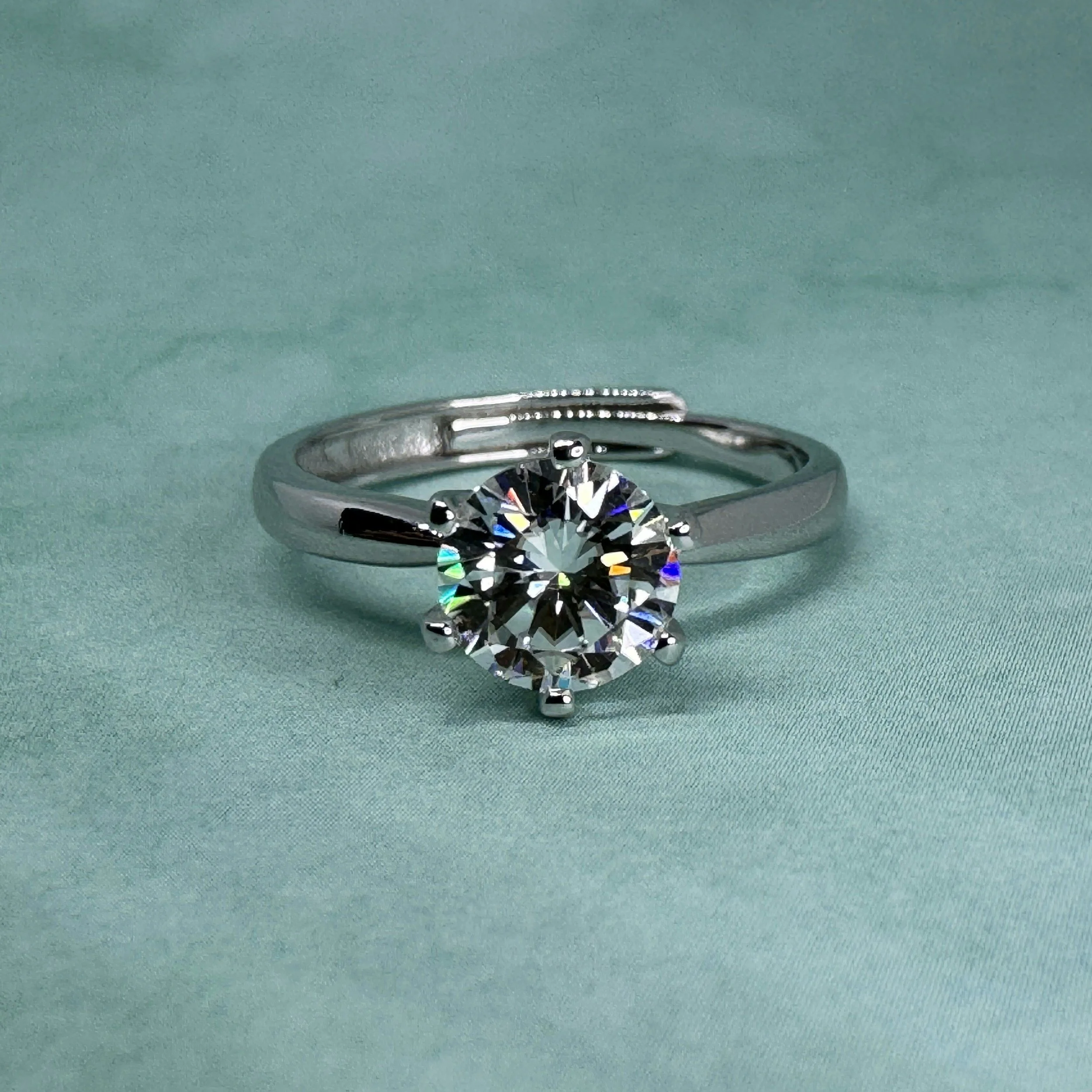
The Metallurgy Audit: Why 18k White Gold is a Structural Liability
Jewelers love selling 18k White Gold because it needs constant maintenance. Engineers choose Platinum for the density or 14k for the stiffness. Here is the material science of your setting.
The Executive Summary
When choosing a metal for the engagement ring, you are usually offered two choices: Platinum or 18k White Gold. They look identical on day one. They behave completely differently under stress.
Platinum: A dense, malleable metal that "displaces" (bends) upon impact.
White Gold: An alloy that is brittle and prone to "micro-cracking" upon impact.
If you are designing a structure to hold a $20,000 asset (the diamond) for 50 years, brittleness is a critical failure mode.
Phase 1: The "Prong Failure" Scenario
The most common point of failure in a ring is the Prong (the claw holding the diamond). You will inevitably bang your hand against a granite countertop or a car door.
The Platinum Response (Malleable): Platinum has zero "memory." If you hit it, the metal moves. The prong might bend slightly, but it will not snap. The diamond stays in the setting.
The Gold Response (Brittle): Gold alloys have "memory" (spring-back). If you hit an 18k gold prong hard enough, the crystalline structure can fracture. The prong snaps off. The diamond falls out.
The Verdict: For the "Basket" (the head holding the stone), Platinum is non-negotiable. It is the only metal that fails safely.
Phase 2: The "Rhodium Plating" Maintenance Trap
Why is "White Gold" white? It isn't. Gold is yellow. To make it white, jewelers mix it with nickel/zinc and then plate it with Rhodium (a platinum-group metal).
The Trap: Within 12 to 18 months, friction will wear that Rhodium plating off. The bottom of the ring will turn a dull, warm yellow.
The Cost: You must take it back to the jeweler to be "dipped" (re-plated) for $50-$100 every year.
The Platinum Advantage: Platinum is naturally white. It never fades. It develops a "Patina" (a satin finish of microscopic scratches) that makes it look like an antique heirloom, not a defects product.
Phase 3: The Density (The "Feel" Factor)
Luxury is often a function of weight. Platinum is 60% denser than 14k gold and 40% denser than 18k gold.
The Experience: When you hand someone a Platinum ring, their hand drops slightly. It feels substantial. It feels like "heavy machinery."
The Alternative: A light, hollow-feeling ring feels cheap, regardless of the price tag.
Final Calibration
Do not let a jeweler talk you into 18k White Gold for the setting. It is the worst of both worlds (expensive + brittle + high maintenance).
The Protocol:
The Head (Prongs): Always Platinum. (Maximum Security).
The Band (Shank):
If you want silver tone: Platinum.
If you want gold tone: 14k Yellow Gold (It is harder and more scratch-resistant than 18k).
If you want rose tone: 14k Rose Gold.
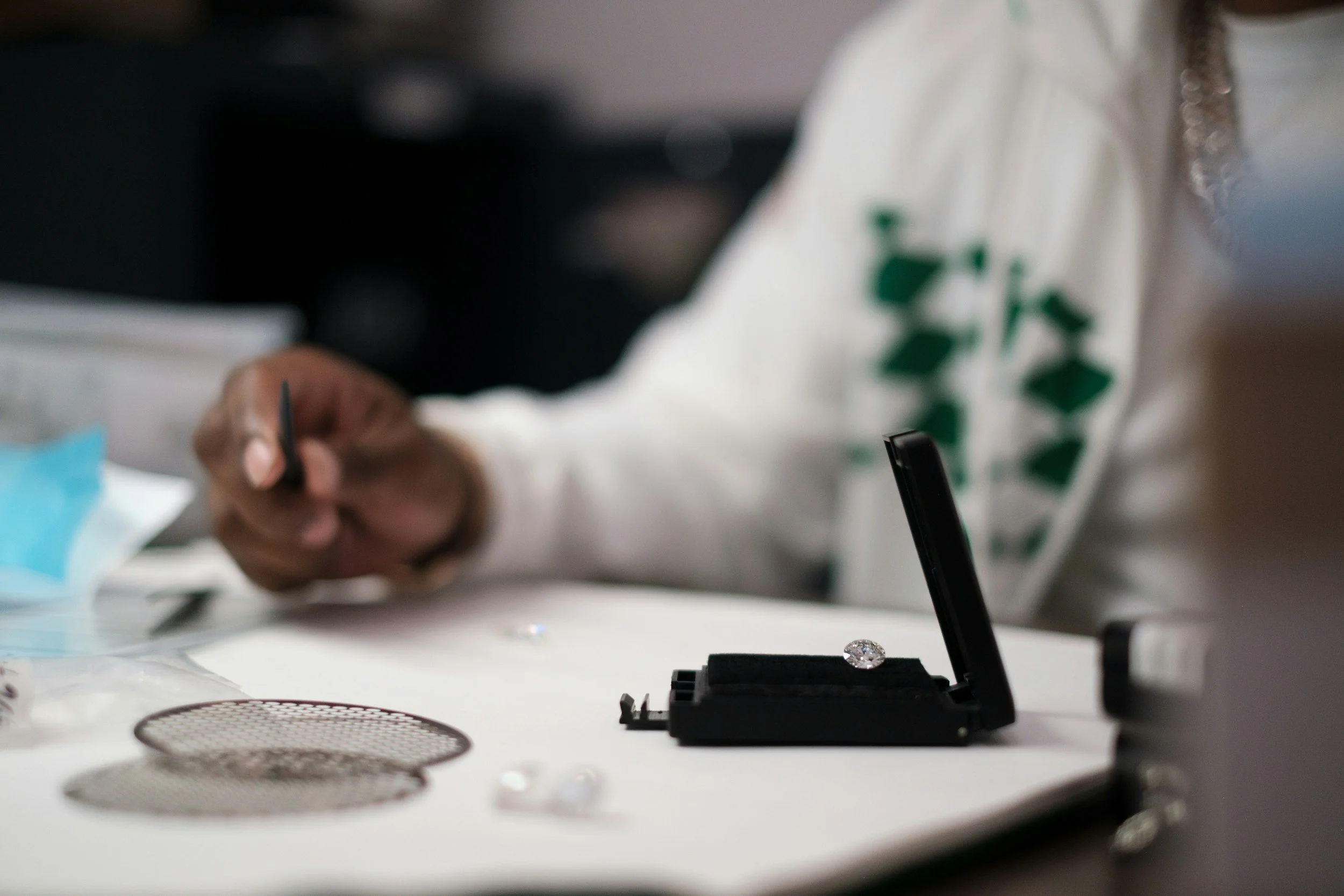
The Structural Failure Audit: Why "Very Thin" Girdles are a Liability
Diamonds are hard, but they are brittle. If the girdle is too thin, a single impact can shatter the edge. If it’s too thick, you are paying for dead weight.
The Executive Summary
The Girdle is the outer edge of the diamond—the "belt" that separates the Crown (top) from the Pavilion (bottom). It serves two purposes:
The Bumper: It protects the stone from impact when it is set in the ring.
The Setting Edge: It gives the jeweler something to grip with the prongs.
GIA grades girdles on a scale:
Extremely Thin (Risk of Chipping)
Very Thin (Risk of Chipping)
Thin (Acceptable, but careful)
Medium (Ideal)
Slightly Thick (Ideal)
Thick (Hiding Weight)
Very Thick (Dead Weight)
Extremely Thick (Dead Weight)
Phase 1: The "Chip" Risk (The Thin End)
A diamond with a "Very Thin" or "Extremely Thin" girdle is a structural liability. While a diamond cannot be scratched by steel, it can be chipped by a granite countertop or a door frame.
The Failure Mode: If you hit the edge of a "Very Thin" girdle at the wrong angle (Cleavage Plane), the diamond can chip or crack.
The Cost: A chipped diamond is effectively worthless. You cannot "repair" it without re-cutting the entire stone and losing massive carat weight.
The Audit: We reject any stone with "Very Thin" or "Extremely Thin" on the GIA report. It is an uninsurable risk.
Phase 2: The "Dead Weight" Scam (The Thick End)
On the flip side, cutters often leave the girdle "Thick" or "Very Thick" to retain weight.
The Scam: A cutter has a 0.98ct stone. By leaving the girdle "Very Thick," they push the weight to 1.02ct.
The Result: You pay the 1.00ct price premium, but the diamond looks like a 0.98ct stone because the extra weight is hidden in the belt. It adds zero visual size and zero sparkle.
The Audit: We reject "Very Thick" girdles because you are paying for invisible mass. It is inefficient capital allocation.
Phase 3: The "Goldilocks" Zone
We hunt for the operational sweet spot: Target: Medium to Slightly Thick.
Structural Integrity: Thick enough to withstand daily wear and accidental knocks against hard surfaces.
Optical Efficiency: Thin enough that it doesn't distort the light path or hide unnecessary weight.
Setting Security: Perfect thickness for the jeweler to tighten the prongs securely without risking damage to the stone.
Final Calibration
When you look at a GIA report, do not just check the 4 Cs. Look at the Girdle line.
If it says "Very Thin": Walk away. (Risk).
If it says "Very Thick": Walk away. (Waste).
If it says "Med - Sl Thick": You have a structurally sound asset.

The Microscope Tax: Why Paying for "VVS" Clarity is Biologically Irrational
The human eye has a resolution limit of roughly 50 microns. VVS1 inclusions are 5 microns. You are paying a 40% premium for purity that physically cannot be seen.
The Executive Summary
In the diamond industry, "Clarity" is graded under 10x magnification.
FL/IF (Flawless): No inclusions visible at 10x.
VVS1/2 (Very Very Slightly Included): Minute inclusions difficult to see at 10x.
VS1/2 (Very Slightly Included): Minor inclusions visible at 10x, but usually invisible to the naked eye.
SI1/2 (Slightly Included): Noticeable at 10x, sometimes visible to the naked eye.
The delta in price between a VVS1 and a VS2 can be $4,000+. The visual difference to your fiancée? Zero. Unless she carries a jeweler's loupe on dates, she will never see the difference.
Phase 1: The Biological Hardware Limit
Let’s apply Operations Research to biology. The average human eye can resolve an object of about 0.05mm (50 microns) at a viewing distance of 10 inches.
A VVS1 inclusion is often <10 microns.
A VS2 inclusion is often 20-30 microns.
The Conclusion: Both are below the hardware detection threshold of the human retina. If you buy VVS1, you are paying a "Microscope Tax." You are paying for a lack of flaws that can only be verified by lab equipment, not by the user experience.
Phase 2: The "Eye-Clean" Arbitrage (VS2 / SI1)
We don't hunt for "Flawless." We hunt for "Eye-Clean." This is a binary operational status:
Pass: Can I see a black spot from 6 inches away? (No).
Fail: Can I see a black spot? (Yes).
The Sweet Spot: We target VS2 or SI1 stones where the inclusions are white/clear (feathers) rather than black (carbon crystals), and are located on the perimeter of the stone rather than the center (table). This is the best bang for your buck!
The Result: A diamond that looks identical to a Flawless stone.
The Savings: 30% to 50% off the sticker price.
Phase 3: The "Black Carbon" Danger Zone
This is why you cannot buy blindly online. Not all SI1s are created equal.
Scenario A (The Winner): An SI1 with a white "cloud" hidden under a prong. (Buy this).
Scenario B (The Loser): An SI1 with a single black carbon crystal dead center in the table. (Avoid this).
The certificate will grade both of these as "SI1" because the volume of the flaw is the same. But the optical impact is totally different. We audit the Location and Type of inclusion to ensure it is effectively invisible.
Final Calibration
Do not pay for VVS unless you are buying for investment grade (which you shouldn't be). Target a VS2 or a carefully vetted SI1. Take the $4,000 you saved and put it into Cut Quality (which she can see from across the room) or Carat Weight (which everyone notices).
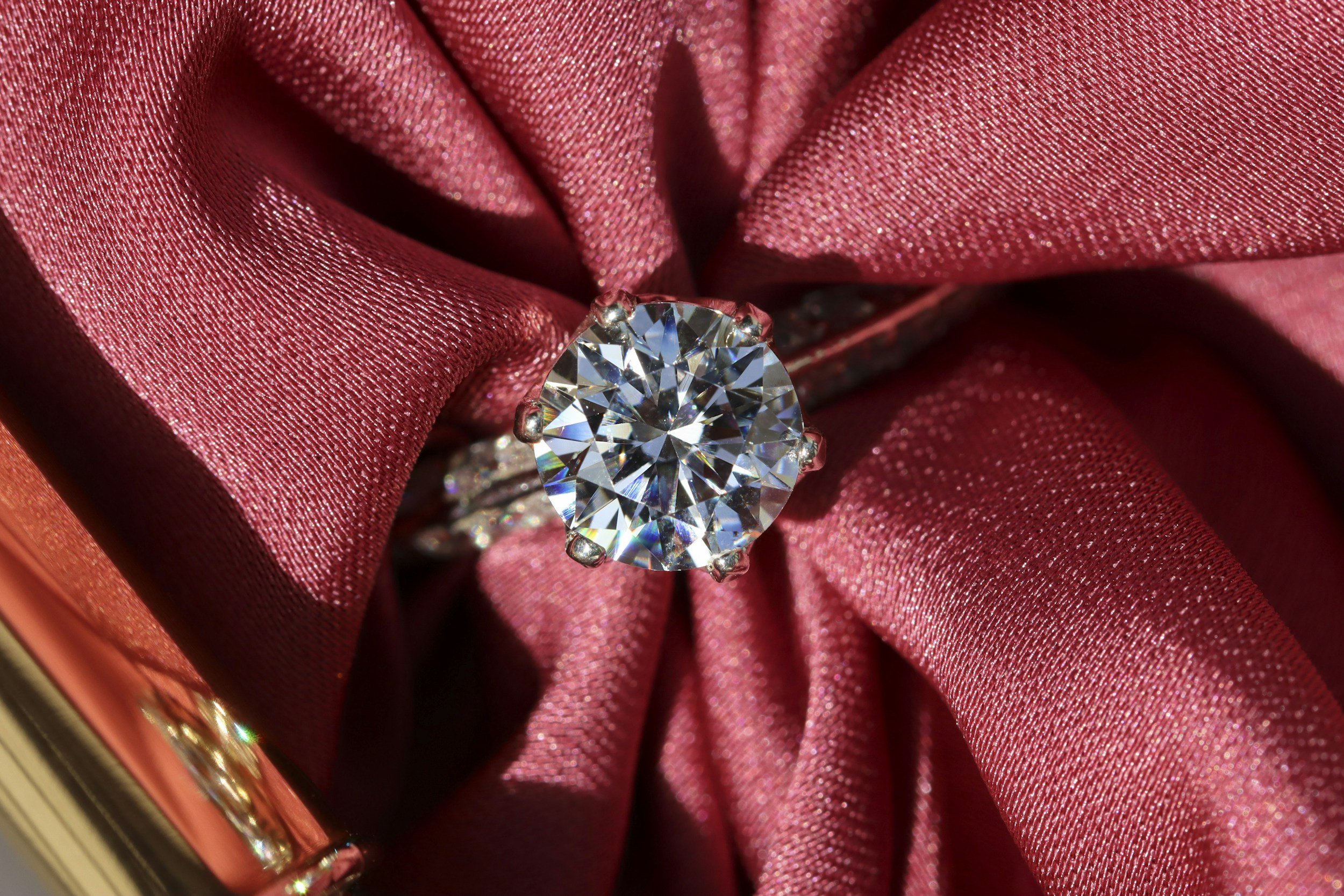
The "Magic Number" Scam: Why You Should Never Buy a 1.00 Carat Diamond
Diamond pricing is not linear; it is a step-function. We exploit the "Undersize" arbitrage to save 25% instantly.
The Executive Summary
In a rational market, a 1.00ct diamond would cost 1% more than a 0.99ct diamond. The diamond market is not rational. It relies on "Magic Numbers"—psychological thresholds that wholesalers use to jack up prices. The moment a diamond hits 1.00ct, the price-per-carat jumps by 20% to 35%.
This creates a massive inefficiency. You are paying thousands of dollars for a "1.00" on a piece of paper, even though the stone looks identical to a 0.95ct stone. We don't pay for paper. We pay for photons.
Phase 1: The Step-Function Price Model
If you graph diamond prices, it doesn't look like a smooth ramp. It looks like a staircase.
0.50ct – 0.69ct: Base Price.
0.70ct – 0.89ct: Price Jump #1.
0.90ct – 0.99ct: The "Shy" Range (The Sweet Spot).
1.00ct – 1.49ct: The "Magic Number" Explosion.
The Math: A 1.00ct G-VS2 might cost $8,000. A 0.95ct G-VS2 might cost $5,500. The Delta: You save $2,500 (30%) for a weight difference of 0.05ct. This applies even more so with 2.00ct and 3.00ct, and on and on.
Phase 2: The Visual Acuity Test (The "mm" Audit)
"But I want it to look big!" Let's audit the physical dimensions.
Diameter of a well-cut 1.00ct: ~6.5mm.
Diameter of a well-cut 0.95ct: ~6.3mm.
The Difference: 0.2mm. To put that in perspective, the thickness of a standard sheet of paper is 0.1mm. Can you see two sheets of paper from 3 feet away on a moving hand? No. The human eye cannot resolve that difference.
The Strategy: Buy the 0.90ct – 0.98ct range (often called "Shy" or "Under-sizes"). You get 98% of the visual size for 70% of the price.
Phase 3: The "Cutter's Regret" (Why These Are Rare)
Why doesn't everyone do this? Because diamond cutters aren't stupid. If a cutter has a rough stone that could be a 0.98ct, they will often cut it slightly "fat" (leaving extra weight on the girdle or pavilion) just to push it over the 1.00ct mark to get the higher price.
This means finding a well-cut 0.96ct is actually harder than finding a 1.00ct.
The 1.00ct: Often has compromised cut quality (to keep weight).
The 0.96ct: Often has superior cut quality (because they prioritized beauty over hitting the magic number).
The Hunt: We specifically filter for these "Undersize" stones. They are rare, but when we find one, it is the ultimate arbitrage: Better Cut + Lower Price.
Final Calibration
Do not be seduced by the "1.00" vanity metric. No one walks around with a scale. They walk around with eyes. If you buy a 0.96ct Super Ideal Cut, it will sparkle more and look bigger than a 1.00ct Average Cut, and you will have enough cash left over to upgrade the setting.
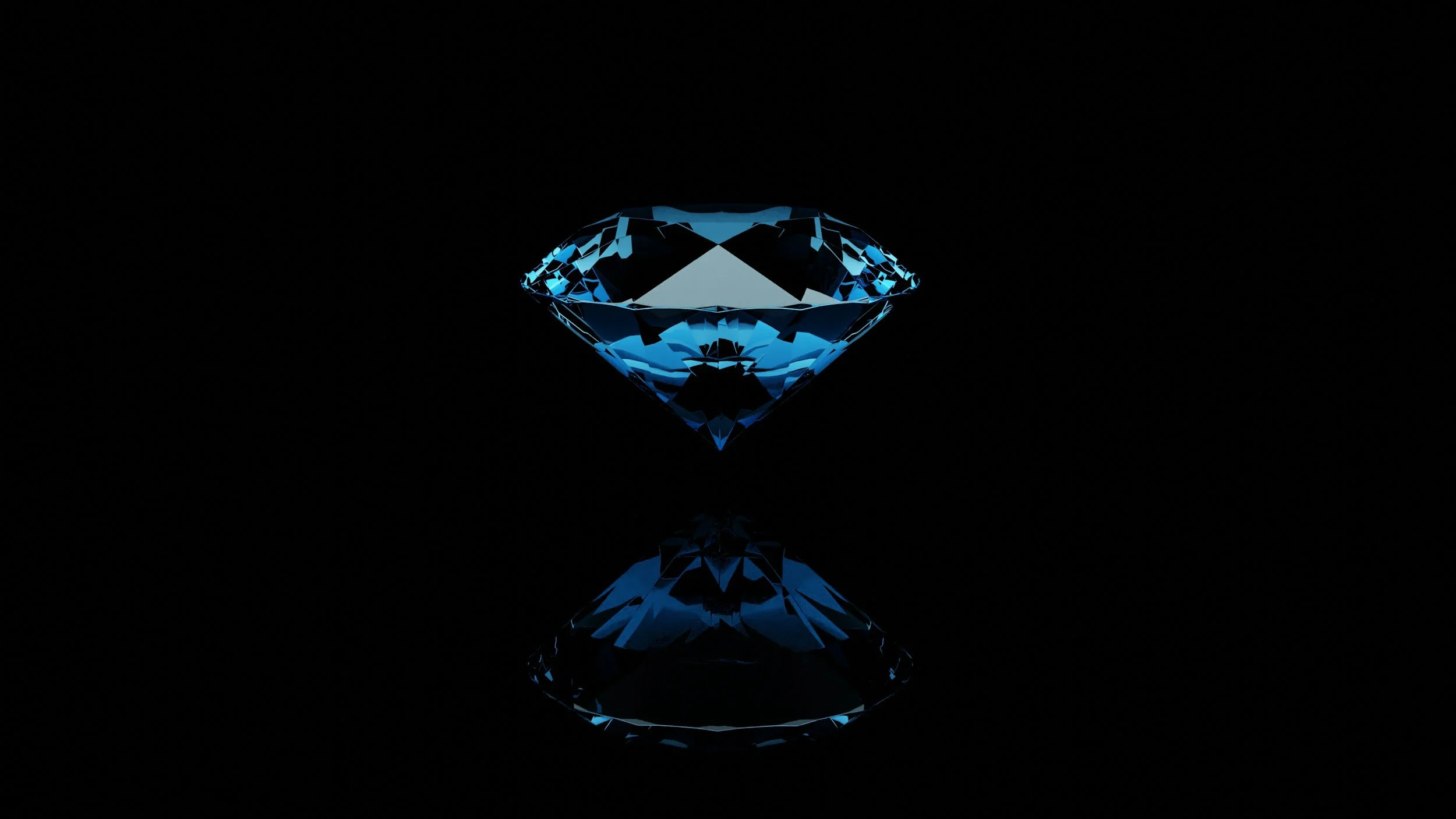
The Fluorescence Myth: When to Use It to Your Advantage (and When to Walk Away)
The market punishes Blue Fluorescence as a defect, discounting stones by 10-15%. We use it as a natural whitening filter. Here is the physics of color cancellation.
The Executive Summary
In the diamond market, "Fluorescence" (a glow when exposed to UV light) is controversial. Traditional jewelers often tell you to avoid it. They claim it makes the diamond look "oily” or “cloudy". This is a generalization that creates inefficiency.
Because of this stigma, diamonds with "Medium" or "Strong" Blue Fluorescence trade at a 10% to 15% discount compared to "None" Fluorescence stones. We exploit this discount to upgrade your Color Grade for free.
Phase 1: The Physics of Color Cancellation
Most diamonds have a trace of Nitrogen, which causes a Yellow tint (lowering the value). Fluorescence usually glows Blue.
The Color Theory:
Yellow + Blue = White.
If you have a diamond with a slight yellow tint (I or J Color) and you add a blue glow (Medium Blue Fluorescence), the two cancel each other out.
The Result: The diamond appears whiter and brighter to the naked eye than its paper grade suggests.
Phase 2: The "J-Color" Strategy
This is the classic arbitrage play.
The "Safe" Buyer: Buys a G-Color / None Fluorescence. Pays a premium for "purity."
The "Calibrated" Buyer: Buys a J-Color / Medium Blue.
The Savings: The J-Color is naturally cheaper (30% less than G).
The Discount: The "Fluorescence" knocks another 10% off the price.
The Visual: The blue counteracts the yellow J-tint. Face-up, it looks like an H or G color.
The ROI: You save 40% on the sticker price for a stone that looks identical in normal lighting (which contains UV).
Phase 3: The "Overblue" Risk (The Audit)
Why does the market discount it? Because of the "Milky" Risk. In rare cases (usually "Very Strong Blue"), the fluorescence is so intense that the diamond looks hazy or oily in direct sunlight. It loses its crispness.
This is why you cannot buy blind.
Medium Blue: 99% Safe. Ideally perfectly cancels yellow.
Strong Blue: High Risk / High Reward. Needs visual verification.
Very Strong Blue: Avoid (unless audited personally).
Final Calibration
Do not fear the blue. Monetize it. If you are buying a diamond in the near-colorless range (G-J), seek out "Faint" or "Medium" Blue. You are effectively buying a "Whitening Filter" that the dealer is paying you to take off their hands.
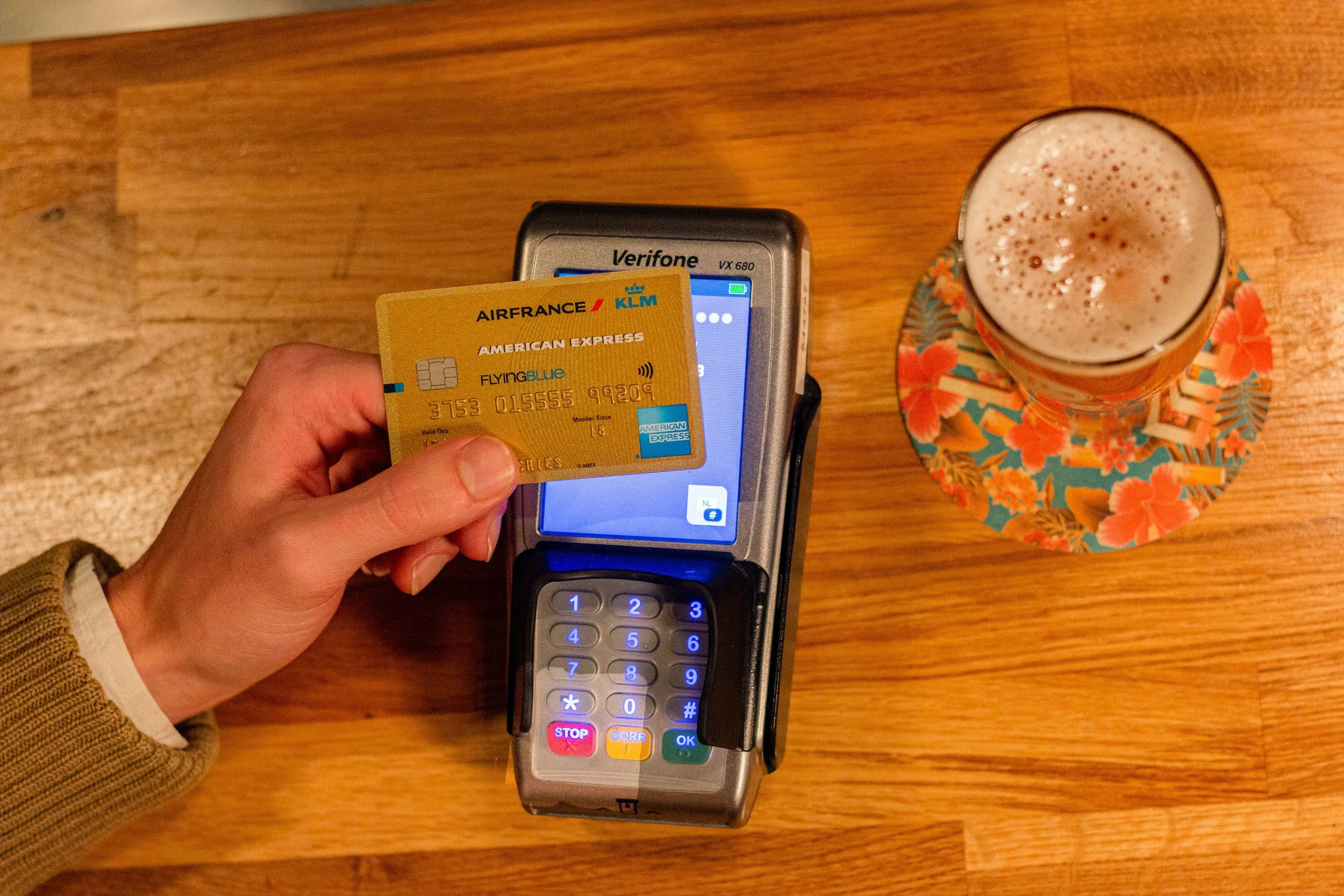
The 3% Ignorance Tax: How to Stop Bleeding Money Abroad
Dynamic Currency Conversion (DCC) and Foreign Transaction Fees are the silent killers of your travel budget. Here is the protocol to reach 0% waste.
The Executive Summary
When you travel internationally, there are two ways to lose money instantly:
The Bank Fee: Your bank charges you 3% just for the privilege of using your card outside the US.
The Merchant Trap: The payment terminal asks, "Pay in USD or EUR?" and you choose USD because it feels "safer."
If you spend $5,000 on a trip to Italy, these two errors can cost you $300+ in pure friction costs. That is the price of a Michelin-star dinner wasted on bank fees.
Phase 1: The "No Foreign Transaction Fee" (NFTF) Baseline
If you are using a standard bank debit card or a basic cash-back credit card (like the Citi Double Cash), you are paying a 3% Foreign Transaction Fee (FTF) on every swipe.
The Math: You buy a €100 dinner. Your bank charges you $109 (Exchange Rate + $3 Fee).
The Fix: You must hold a card with 0% FTF.
Chase Sapphire Preferred: 0% Fees.
Capital One Venture X: 0% Fees.
Amex Gold/Platinum: 0% Fees.
The Rule: If your card has an FTF, leave it in the hotel safe. It is "Emergency Only."
Phase 2: The "Dynamic Currency Conversion" (DCC) Scam
This is the most sophisticated trap in travel. When you insert your card in Paris, the machine detects it is a US card. It offers you a choice:
Option A: Pay in Euros (€).
Option B: Pay in US Dollars ($).
The Instinct: "I know what dollars are worth. I'll pick B." The Trap: If you pick USD, the merchant's bank does the currency conversion, not your bank. They can set any exchange rate they want. Usually, they add a 5% to 7% markup to the spread.
The Protocol: ALWAYS choose the Local Currency. Let your bank (Chase/Amex) handle the conversion. They give you the "Interbank Rate" (the wholesale rate), which is the best you can get.
Phase 3: The Cash & ATM Algorithm
Never exchange money at the airport. The kiosks at Heathrow or Narita charge a "Service Fee" plus a 10-15% spread on the rate. It is robbery.
The ATM Protocol:
Decline the Conversion: The ATM will also try the DCC scam. It will say "Guaranteed Exchange Rate of 1 USD = 0.85 EUR." Decline it. Proceed without conversion.
The Debit Card: Use a debit card that refunds ATM fees (like Charles Schwab or Fidelity). If you don't have one, withdraw the maximum daily limit once to minimize the flat fee ($5 per withdrawal), rather than taking out $40 five times.
Final Calibration
Travel is expensive. Don't make it 10% more expensive by being operationally lazy.
Card: 0% Foreign Transaction Fee (Sapphire/Venture X).
Terminal: Always press "Pay in Local Currency."
Cash: Never at the airport. Only at bank ATMs.
Get the Amex Platinum or Chase Sapphire Preferred

The Suite Upgrade Algorithm: Why Asking "Do You Have an Upgrade?" Always Fails
Front desk agents follow a script. We use inventory logic to break it. Here is the email template and the timing protocol to secure the Junior Suite.
The Executive Summary
Hotels are a perishable inventory business. An empty suite tonight earns $0. However, hotels protect their "Brand Integrity" by not giving suites away for free just because you asked. They need a "Reason Code" to justify the upgrade in their system.
If you wait until you are at the front desk to ask, you have already failed. The "Room Controller" assigned the inventory at 6:00 AM that morning. We don't rely on charm. We rely on Pre-Arrival Logistics.
Phase 1: The Leverage (Status as a Key)
You cannot play this game without a "Key." The Front Desk Agent needs a valid excuse to override the system.
The Key: Marriott Gold or Hilton Gold Status.
The Hack: You do not need to stay 50 nights to get this. The Amex Platinum grants this status instantly. (This is the "Reason Code" the agent enters: "Loyalty Upgrade").
Phase 2: The Inventory Audit (The 48-Hour Window)
Do not email them 2 months in advance. They don't know their inventory yet. Do not ask at check-in. The rooms are already blocked. The Sweet Spot: 48 to 72 Hours Prior to Check-in.
The Audit:
Go to the hotel's website.
Search for your exact dates.
Check Inventory: Are "Junior Suites" or "Corner Rooms" still available for sale?
If Yes: The hotel has "Distressed Inventory." They are motivated to move a guest up to free up a Standard Room (which is easier to sell last-minute).
If No: The hotel is sold out. Do not bother asking.
Phase 3: The "Revenue Manager" Email Script
Do not email info@hotel.com. Call the front desk and ask for the "Front Office Manager" or "Room Controller's" email address. Send this script exactly 2 days before arrival:
Subject: Upcoming Stay - [Your Last Name] - Confirmation #[12345] - [Status Level] Member
Dear [Manager Name],
I am writing to confirm my reservation for this upcoming weekend. I am a [Gold/Platinum] member and I am traveling to celebrate [Reason: Anniversary/Engagement/Project Completion].
I see online that you still have [Specific Room Type: e.g., King Corner Suites] available for my dates.
I know upgrades are subject to availability at check-in, but if the inventory remains unsold, I would value the opportunity to experience that room product. I am happy to write a detailed review of the property specifically mentioning the upgrade.
Best, [Your Name]
Why this works:
You did the homework: You know the room is empty.
You offered value: A "Detailed Review" is currency for a Manager.
You respected the process: You acknowledged "subject to availability."
Final Calibration
An upgrade is never guaranteed. It is a probability game. By holding the Status (Amex Platinum), Auditing the Inventory, and sending the Pre-Arrival Email, you move your probability from 5% (Random Luck) to 65% (Operational Execution).

The "Surprise" Paradox: Why Total Secrecy is a Single Point of Failure
Amateurs try to surprise the "What," "Where," and "When." Professionals redact the "When" but collaborate on the "What." Here is the risk mitigation protocol.
The Executive Summary
The cultural narrative tells you that a proposal must be a total shock. You pick the ring in secret, you pick the date in secret, and you drop to one knee while she is in her pajamas.
This is a logistical and emotional disaster.
Risk 1 (The Ring): You buy a Halo Cut when she wanted a Solitaire. Or platinum setting instead of yellow gold. Or a round brilliant instead of a pear shape. Or a 1.0Ct natural since that’s what you could afford instead of a 3Ct lab? (Cost to fix: $500–$2,000 in restocking fees, weeks/months time wasted, her reaction when she really didn’t like it especially when you’re trying to express the pinnacle of your love & future?: priceless).
Risk 2 (The Image): You hired a professional photographer, but she hasn't had a manicure in 3 weeks. She will hide her hand in every photo. Or she wished she could’ve worn that new dress she had and didn’t look so casual. Or got her hair/makeup/shoes/etc., the list goes on….
Risk 3 (The Size): The ring doesn't fit. The moment is ruined by physics.
Risk 4 (The Relationship): She wasn’t ready just yet for the next big step and would’ve loved a heads-up so you guys could have had a conversation around it all first.
We advocate for the Redacted Info Strategy. You do not keep the Project a secret. You only keep the Execution Date a secret.
Phase 1: The "What" (Collaborative Ring Selection)
Never guess the specs. The engagement ring is a piece of engineering she will wear every day for 40+ years. The margin for error is zero.
The Protocol:
The "Pinterest Audit": Ask to see her board.
The "Showroom Visit": Go to a jeweler together. Do not bring a wallet. This is a data-collection mission. See what she likes and what she prefers. This is HER ring.
The Variables: Confirm three hard data points:
Shape: (Oval vs. Round vs. Emerald).
Metal: (Yellow Gold vs. Platinum).
Setting: (Pave band vs. Plain band).
Once you have these specs, you go dark. You buy the diamond in private using the guide provided in the Diamond Calibration. She knows what is coming, but not which specific stone or when.
Phase 2: The "Where" (The 'Manicure' Vector)
The number one complaint from women after a surprise proposal? "My nails looked terrible." This sounds trivial to you, but it is critical to your fianceé and future partner.
The Decoy Maneuver: You need a pretext to get her "Camera Ready" without revealing the mission.
The "Fake Event": "Hey, my company is doing a holiday dinner/awards night on Friday. Dress code is cocktail." Or “my best friend is doing a dinner party where we’ll be dressed up and going out after.”
The "Girls' Day": Enlist her best friend (The Asset Handler). Have the friend take her to get her nails done 2 days prior "just for fun."
This ensures the Operational Conditions (Outfit, Hair, Nails) are optimal without spoiling the surprise of the event itself.
Phase 3: The "When" (The Only True Surprise)
This is the only variable you redact. If she knows you bought a ring, and she knows she is dressed up for a "dinner," she will suspect something. Use that tension.
The False Positive: Take her to a nice dinner on Friday. Do not propose. Let the tension deflate. (this could be a little risky though, if she’s been waiting for some time..)
The Strike: Propose on Saturday morning on a walk, or Sunday at sunset.
The "Tuesday" Rule: Everyone expects a proposal on a Saturday night or a holiday (Christmas/Valentine's). Nobody expects a proposal on a Tuesday evening after work. If your goal is genuine shock, leverage the Element of Unpredictability.
Final Calibration
Stop treating the proposal like a covert ops mission where the target knows nothing. Treat it like a Joint Venture Launch and you’re the PM coordinating everything.
Stakeholder Alignment: She picks the Ring Style.
Market Readiness: She is dressed for the photos.
Launch Date: That is your surprise.
Need more help? Book a Proposal Strategy Session
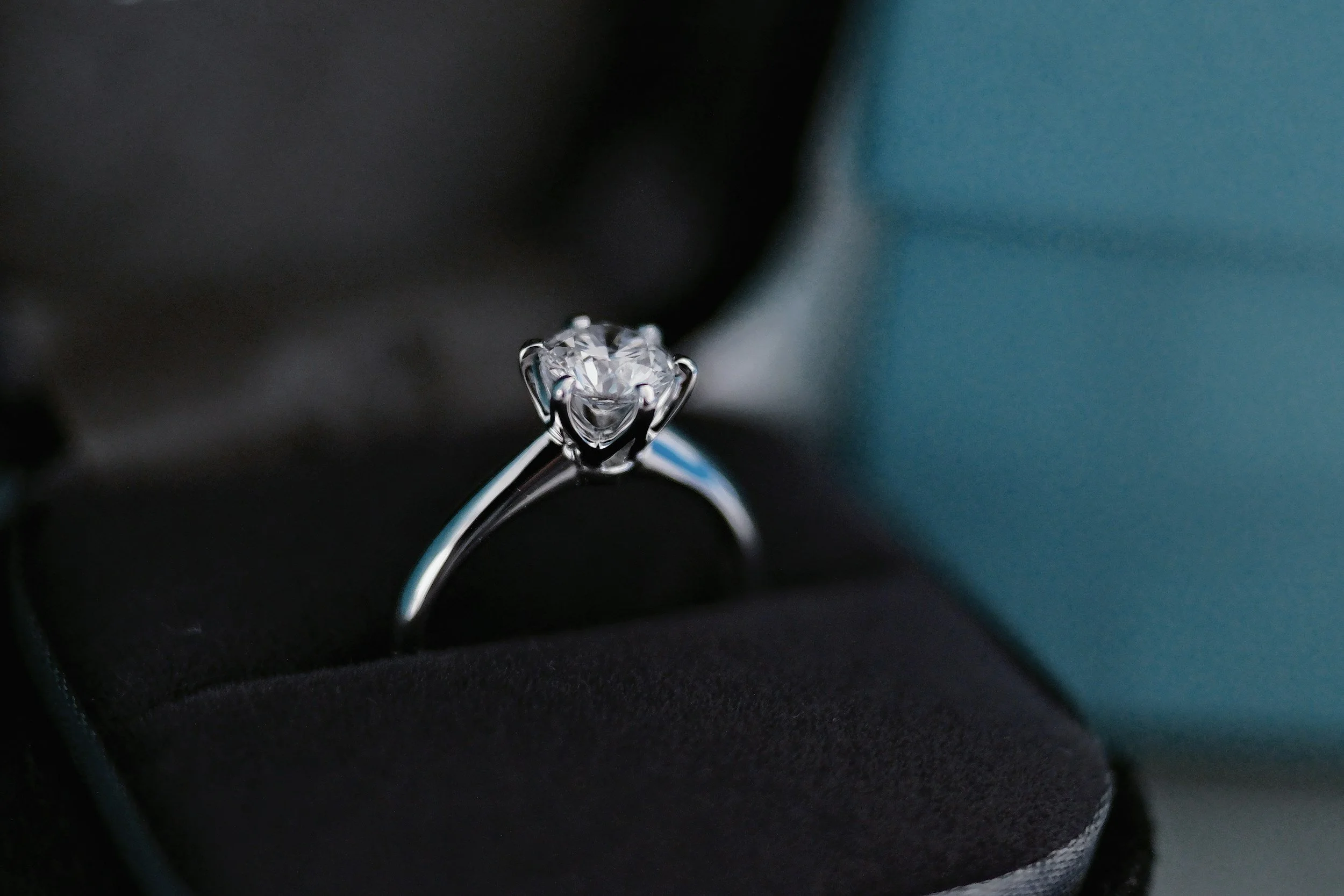
The $128,000 Engagement Ring: A 30-Year Opportunity Cost Model
Stop asking if Lab-Grown diamonds are "real." Ask what the Opportunity Cost of a Natural diamond is over a 30-year horizon. We ran the compounding interest numbers.
The Executive Summary
The jewelry industry wants you to view a diamond as an "Investment."
It is not. It is a depreciating luxury asset, like a German sedan. You drive it off the lot, and it loses 50% of its value immediately.
The debate between Natural and Lab-Grown diamonds is usually emotional ("It feels special").
We ignore feelings. We look at Net Present Value (NPV) and Future Value (FV).
When you choose Natural over Lab, you aren't just spending more money today. You are destroying future capital.
Phase 1: The Physics Analysis (They Are Identical)
First, let's clear the technical variable.
Natural Diamond: Crystallized carbon formed 100 miles underground.
Lab-Grown Diamond: Crystallized carbon formed in a plasma reactor.
The Test: If you hand a Lab diamond and a Natural diamond to a gemologist without a $10,000 spectrometer, they cannot tell the difference.
They have the same Refractive Index, the same Hardness (Mohs 10), and the same Dispersion (Fire).
From an optical engineering standpoint, they are the same product.
Phase 2: The CapEx Model (The Initial Outlay)
Let’s model a standard high-performance asset:
Target: 2.00 Carat, Round Brilliant, G-Color, VS1 Clarity, Ideal Cut.
Asset A (Natural): Market Price: ~$25,000
Asset B (Lab-Grown): Market Price: ~$3,000
The Delta (Capital Surplus): $22,000
If you buy Natural, you are burning $22,000 of liquidity for "History."
If you buy Lab, you retain $22,000 of liquidity.
Phase 3: The 30-Year Horizon (The "S&P 500" Strategy)
Here is where the math gets violent.
Imagine you take that $22,000 surplus and, instead of giving it to a diamond cartel, you invest it in a low-cost S&P 500 Index Fund (Historical average return: 7% inflation-adjusted).
The Calculation:
Principal: $22,000
Rate: 7% (Compounding Annually, accounting for inflation)
Time: 30 Years (Your 30th Wedding Anniversary)
FV = $22,000 X (1.07)^30 = $167,468
The Verdict:
The "Real Cost" of the Natural diamond isn't $25,000.
The Real Cost is the $167,468 retirement account you set on fire.
Phase 4: The Resale Myth (The Exit Strategy)
"But Natural diamonds hold their value!"
False.
Try to sell a $25,000 Natural diamond back to a jeweler today. You will be offered $12,000–$14,000 (wholesale scrap value). You instantly lose ~50%.
Natural Scenario: You spend $25k. You can sell it for $12k. Net Loss: $13k.
Lab Scenario: You spend $3k. It has zero resale value ($0). Net Loss: $3k.
The Winner: The Lab diamond still results in a smaller total loss ($3k vs $13k), even if you throw it in the ocean.
Final Calibration
If you have an unlimited budget and the "romantic history" of a natural stone is worth $167,000 to you, then buy Natural. There is nothing wrong with luxury spending and absolutely nothing wrong if natural is what your partner wants.
Just do not call it an investment.
The Calibrated Strategy:
Buy the Lab-Grown stone for $3,000.
Take the $22,000 savings.
Fund your wedding, a house down payment, or a compounding investment account.
Nobody will know the difference. (Physics guarantees it).

The 12-Minute Window: Why "Sunset" is a Trap (And How to Calculate the Real Golden Hour)
Amateurs plan for "Sunset." Professionals plan for Solar Elevation Angles. Here is the physics of lighting your proposal.
The Executive Summary
If you tell a photographer "We are proposing at sunset," you have already introduced a critical failure point.
"Sunset" is a 30-minute transition event with rapidly changing Lux values (light intensity).
Too Early (Solar Elevation > 6°): The sun is harsh. You get "Raccoon Eyes" (deep shadows in the eye sockets) and squinting.
Too Late (Solar Elevation < -4°): The sun has dipped too far. The camera sensor has to pump up ISO, introducing digital noise (grain). The background goes black.
We don't guess. We calculate the Target Azimuth to ensure the light hits the diamond, not the camera lens.
Phase 1: The Physics of "Golden Hour"
Golden Hour isn't an hour. Depending on your latitude and the season, it is often a 12-to-20-minute window.
The Target Angle: 0° to 6° Elevation
This is the "Cinematic Safe Zone."
The Look: The sun is low enough to be diffused by the atmosphere (soft light), but high enough to provide directional rim-lighting on the subject.
The Diamond: This is the only time a diamond will sparkle in a photo without a flash. The direct rays enter the table at a low angle, creating maximum fire dispersion.
The "Blue Hour" Alternative (Civil Twilight)
Target Angle: -4° to -6° (Below Horizon).
The Look: Moody, deep blue skies, city lights turning on.
The Risk: Requires a photographer with a full-frame sensor and fast glass (f/1.2 or f/1.4). If your photographer uses a kit lens, this will look muddy.
Phase 2: The Site Survey (The "SunSeeker" Protocol)
You cannot pick a spot just because it "looks nice." You must audit the Solar Vector.
The App: Download SunSeeker or PhotoPills.
The Audit:
Hold up your phone in AR Mode at the exact spot you plan to kneel.
Trace the Yellow Line (Sun Path).
Identify Obstructions: Will that building or mountain block the sun before it hits the 6° target angle?
Scenario: You plan for 7:00 PM sunset. But a mountain to the West blocks the sun at 6:30 PM. You just lost your lighting window.
The "Backlight" Rule:
Never face the sun directly.
Incorrect: You —> Partner —> Sun. (Your partner squints & you are a silhouette).
Correct: Sun —> Side/Back Angle —>Couple. (Creates a "halo" effect on hair/shoulders; faces are evenly lit).
Phase 3: The "Crowd Control" Variable
The best lighting usually coincides with the highest foot traffic.
If you propose at the exact moment of sunset at a popular landmark (Griffith Observatory, Brooklyn Bridge), you will have 500+ tourists in your background.
The "Dawn Patrol" Strategy
We often advise clients to invert the schedule.
Sunrise Golden Hour: The physics are identical to sunset, but the human density is near zero.
The Asset: You get the entire venue to yourself.
The Logistics: It requires waking up at 4:30 AM.
The Trade-off: Is privacy worth the sleep deprivation? (Unfortunately: …Yes).
Final Calibration
Do not leave the single most important photo of your life to chance.
Download SunSeeker.
Check the obstruction line.
Set the "Knee Drop" time for exactly 10 minutes before official sunset.
If you are off by 15 minutes, you lose the light. If you are on time, you get the shot.
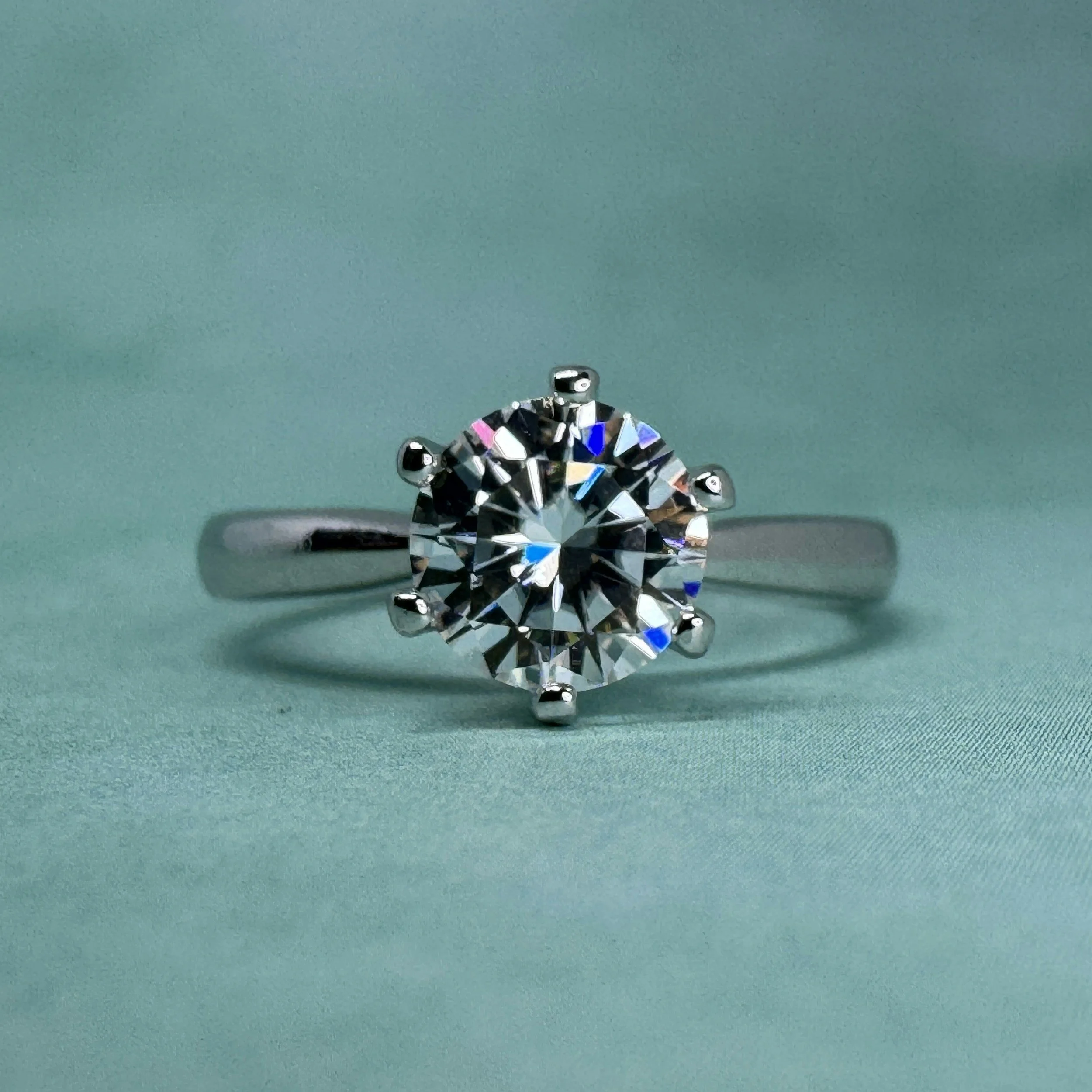
The GIA "Triple Excellent" Lie: Why 80% of "Top Tier" Diamonds are Duds
The industry standard is broken. GIA "Excellent" Cut is a massive bucket that hides poor performance. We look at the angles, not the label.
The Executive Summary
If you walk into a jewelry store, the salesperson will show you a GIA certificate and point to three words: Cut: Excellent. Polish: Excellent. Symmetry: Excellent.
They call this "Triple Ex." They tell you it is the best money can buy. They are lying.
In the world of diamond cutting, "Excellent" is not a target; it is a participation trophy. The GIA "Excellent" range is so wide that it includes the top 1% of precision-cut stones alongside the bottom 40% of "steep/deep" stones that leak light.
We don't buy labels. We audit the Physics of Light Refraction.
The Efficiency Problem: Weight vs. Light
Why do bad diamonds get "Excellent" grades? Profit efficiency. Diamond cutters are paid to maximize Carat Weight, not beauty.
Scenario: A diamond cutter has a rough diamond.
Option A: Cut it perfectly for maximum sparkle. The final stone is 0.90 Carat.
Option B: Leave it a little "fat" (too deep) to keep the weight. The final stone is 1.01 Carat.
Result: The cutter chooses Option B because a 1.0ct stone sells for exponentially more than a 0.90ct stone (The "Magic Number" Price Jump). Crucially, GIA still grades Option B as Excellent despite the fact that it leaks light through the bottom.
The Audit: The "Steep/Deep" Curse
How do you spot a "Heavy" stone that looks dead? You have to ignore the grade and look at the Angles on the certificate.
The Danger Zone (Steep/Deep): If a diamond is cut too deep, light enters the top, hits the bottom facet, and instead of bouncing back to your eye, it leaks out the side (Windowing).
Red Flag: Pavilion Angle > 41.0° combined with a Crown Angle > 35.0°.
The Effect: The center of the diamond looks dark (the "Nailhead" effect).
The Danger Zone (Shallow): If a diamond is cut too shallow, light passes straight through it like a piece of glass (Fish-eye).
Red Flag: Pavilion Angle < 40.6°.
The Effect: The diamond looks watery and lacks "fire" (colored flashes).
The Calibration: The "Sweet Spot"
True "Calibrated Luxury" exists in a tiny intersection of angles where physics dictates maximum light return. This is the top 1% of the top 1%.
The Target Specs (The Safe Zone):
Table %: 54% – 57%
Depth %: 60% – 62.4%
Crown Angle: 34.0° – 35.0°
Pavilion Angle: 40.6° – 40.9°
If your diamond falls into this tight window, the facets act as a perfect series of mirrors, reflecting 99% of light back to the viewer's eye. It will look bigger, brighter, and cleaner than a "Triple Ex" stone outside this range.
The Financial Implication
Why does this matter? Because the "Steep/Deep" dud costs the exact same price as the "Sweet Spot" performer. The market prices them by Carat and GIA Grade, not by Light Performance.
The Arbitrage: We hunt for the "Sweet Spot" stones that are priced like standard inventory. You get a diamond that performs like a $30,000 "Super Ideal" brand name for the price of a generic commodity stone.
Final Calibration
Do not trust the "Excellent" grade. It is a marketing bucket, not a performance metric. Before you buy, look at the numbers. If the Pavilion Angle is 41.4°, walk away. You are paying for dead weight.
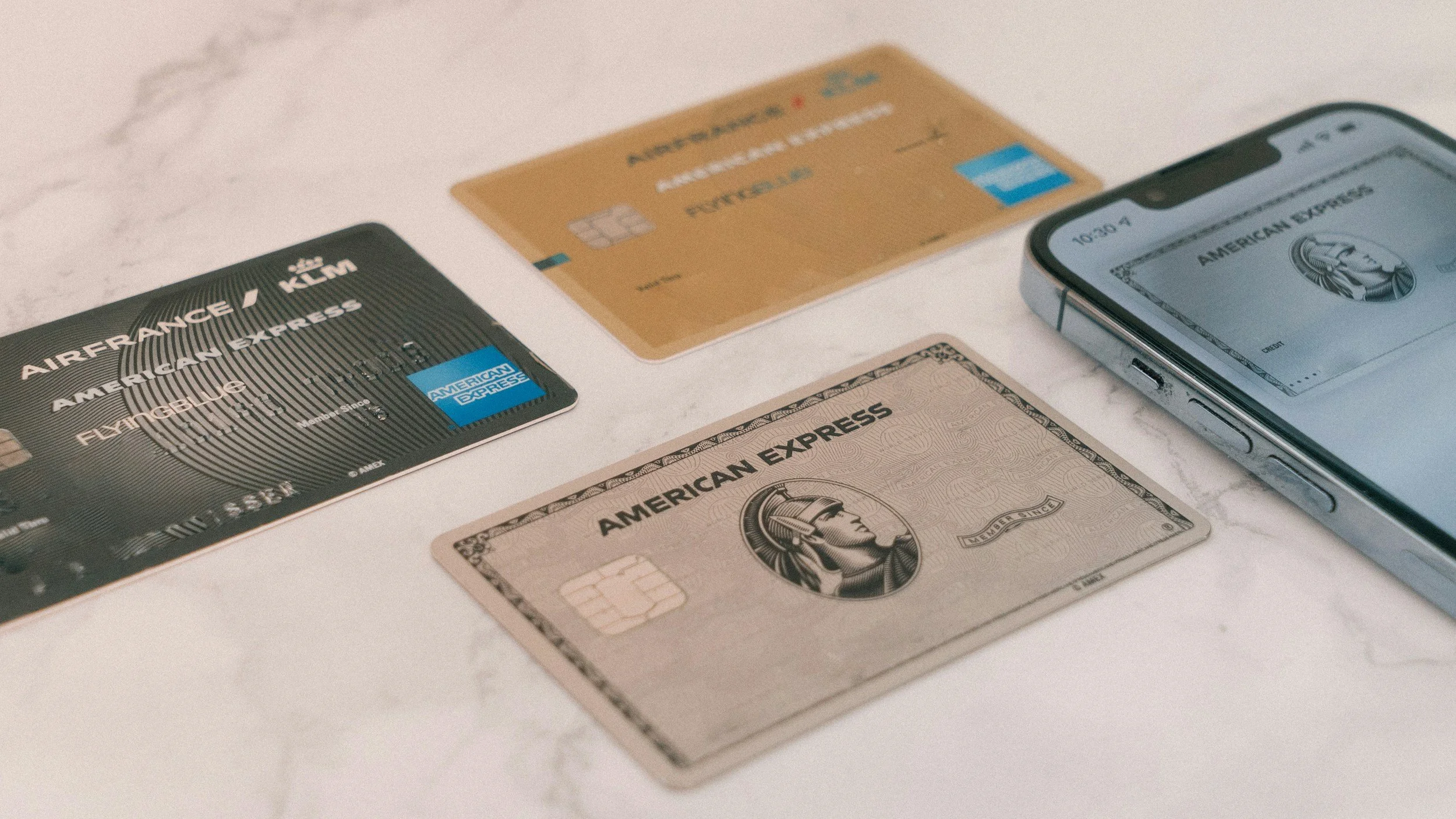
The $895 Pre-Paid Lifestyle: Reviewing the New Amex Platinum
The fee is now $895. This scares off the tourists, but for the calibrated traveler, the math has actually improved—if you fit the "Lifestyle Profile."
The Executive Audit
Let’s be blunt: $895 is a massive upfront cost. If you view this as a "fee," you lose. You must view this as pre-paying for services you were going to buy anyway.
Amex has pivoted. They aren't just selling travel access anymore; they are bundling a high-end urban lifestyle (Resy dinners, Lululemon gear, Luxury Hotels).
The Liquidity Test (Can You Clear the Fee?)
We need to find $895 in hard value to break even. Let's run the new P&L based on the refreshed benefits:
Phase 1: The Liquid Assets (Cash Equivalents)
These are credits that replace expenses you are likely already incurring. We value these at or near 100%.
1. Uber Cash ($200)
$15/month (plus a $20 bonus in December).
If you use Uber or Uber Eats once a month, this is cash.
Liquid Value: $200
2. Digital Entertainment Credit ($240)
$20/month for Disney+, Hulu, ESPN+, NYT, Peacock, WSJ, YouTube Premium, YouTube TV, Paramount
Most households already subscribe to at least one of these. Switch your billing to this card.
Liquid Value: $240
3. Airline Incidental Credit ($200)
Covers baggage fees, seat selection, and lounge passes on one selected airline.
Select the airline you fly domestically. Use it for "Even More Space" seats or checked bags.
Pro Tip: Select United as your airline and buy United Travelbank credits twice, $100 at a time. This will trigger the credits and have an expiration date of 5 years. You can use these for a flight later on.
Liquid Value: $200
4. Walmart+ Credit ($155)
Covers the monthly subscription cost ($12.95/mo).
Ignore the "Walmart" stigma. This membership includes Paramount+ (Essential) and free shipping (an Amazon Prime competitor).
Try out the free prescription delivery - it’s awesome! Grocery delivery is also another option that is way cheaper than Instacart
Liquid Value: $60 (Valued strictly at the cost of the Paramount+ subscription it replaces).
Phase 2: The "Lifestyle" Assets (The Variable Variables)
These credits require specific behavior. If you fit the profile, they are valuable. If not, they are wasted value
5. Resy Credit ($400)
$100 every quarter on eligible Resy restaurants).
Standard Global Dining Access: Priority reservations.
Ordering takeout also works
You can also buy gift cards to Resy restaurants as long as it is through the Toast platform
Liquid Value: $400
6. Saks Fifth Avenue Credit ($100)
$50 Jan–Jun, $50 Jul–Dec.
Buy Consumables. Saks sells Kiehl’s face wash, Aesop soap, Molton Brown shower gel, and high-end sunscreen (Supergoop), candles, kitchenware.
Liquid Value: $90 (You need soap anyway. We discount $10 for the hassle of splitting orders).
7. Equinox Credit ($300)
$300 annually for Equinox clubs or the Equinox+ digital app.
Member: Value = $300.
Non-Member: The Equinox+ app (yoga/meditation) costs $300/year. If you use Peloton/Apple Fitness, swap to this for free.
If you live in California or a state that doesn’t charge tax on digital subscriptions then this will be perfectly covered. (Otherwise, I’d never pay for this even at $~40/yr)
Liquid Value: $0 - $300 (Strictly $0 if you won't use the app or aren’t already an Equinox member).
8. CLEAR® Plus Credit ($209)
Covers the full annual cost of CLEAR.
Operational efficiency. Bypassing the ID check saves 10–15 minutes per flight.
Liquid Value: $199 (The standard price for Delta/United members).
9. Hotel Credit ($600)
$300 back on prepaid Fine Hotels & Resorts (FHR) or The Hotel Collection bookings semi-annually.
FHR bookings include breakfast for two ($60 value), 4 PM late checkout ($100 value), and a $100+ property credit.
Liquid Value: $550 (Discounted slightly because FHR rates are often higher than standard rates).
Phase 3: The Infrastructure (The Intangibles)
These are not "credits." They are operational capabilities.
10. The Global Lounge Collection
Access: Centurion Lounges, Delta SkyClubs (when flying Delta), Priority Pass.
The Audit: Airport food is expensive. A coffee and a bagel cost $18. A glass of wine and a salad cost $35.
The Valuation: If you fly 10 times a year and eat in the lounge, you save ~$300 in airport food costs.
Liquid Value: Variable (High).
11. 5X Points on Airfare
The Math: Spending $5,000 on flights earns 25,000 points (vs. 5,000 on a standard card).
The Arbitrage: 20,000 extra points = ~$300 in value.
The Verdict
Even if you value Equinox at zero and discount the hotel credit, the Liquid Value ($1,939) exceeds the Cost ($895) by $1,044.
Mathematically, American Express is paying you $1K a year to hold the most powerful travel card on the market.
The Protocol:
Enroll: You must manually click "Enroll" for each credit on the Amex dashboard.
Automate: Switch your Disney/Hulu/Walmart billing to the card immediately.
Calibrate: Set a calendar reminder for June 15th and December 15th to spend your $50 Saks credit on consumables.
Final Calibration
The Amex Platinum is no longer just a credit card. It is a Lifestyle Subscription Bundle.
The Test: Can you naturally spend $100/quarter at Resy, $75/quarter at Lululemon, $15/month at Uber, and other credits?
If Yes: The card is mathematically free and then some.
If No: Downgrade to the Amex Gold or get the Chase Sapphire Preferred instead.
My Protocol: I hold the card because the $600 Hotel Credit and $400 Resy Credit cover the annual fee entirely. I can also make use of the Uber, Lululemon, and Sak’s credits, so I’m not exactly jumping through hoops or going out of my way to use these “coupons”. The Lounge Access and 5X points are just the "profit" on top.
Read the Overview on Travel Optimization
Advertiser Disclosure
This site is part of an affiliate sales network and receives compensation for sending traffic to partner sites. This compensation may impact how and where links appear on this site. This site does not include all financial companies or all available financial offers.
The Negative Cost Asset: Why Capital One Pays Me to Hold the Venture X
In a portfolio of assets, some usually have a carrying cost. This one has a negative Effective Annual Fee. Here is the arbitrage math on the Capital One Venture X.
The Asset Class: The "Catch-All" Safety Net
Most people focus on the flashy multipliers: 4X on Dining or 5X on Flights.
But the "silent killer" of your ROI is the Baseline Spend—the boring, unsexy expenses that don't fit into a category:
Car Insurance
Medical Bills
Tuition
Taxes
Home Repairs
If you put these on a standard card, you get 1 point per dollar (1X).
The Capital One Venture X guarantees 2X on everything. It acts as the "Floor" for your entire financial strategy, ensuring you never earn less than double the market rate.
But the real reason it is in my wallet isn't the multiplier. It’s the subsidized membership.
The Audit: Calculating the "Negative" Fee
Let’s run the P&L (Profit & Loss) on this specific card.
The Fixed Cost (OPEX):
Annual Fee: $395
The Guaranteed Liquidity (Revenue):
Travel Credit: +$300
Analysis: This is a direct credit for bookings made through their portal. Unlike Amex’s coupon book monthly credits, this is a lump sum. If you spend $300 on any flight or hotel once a year, this is cash equivalent, so it’s really easy to redeem this.
Anniversary Bonus: +10,000 Miles
Analysis: Even at a conservative valuation of 1 cent per point, this is worth $100.
The Net Calculation:
Net Cost = $395 - $300 - $100 = -$5
The Verdict:
Mathematically, Capital One is paying you $5 a year to hold this card.
In exchange for that $5, you receive:
Unlimited Lounge Access (Priority Pass + Capital One Lounges) for you and two guests.
Hertz President’s Circle Status (Skip the counter, pick any car from the President’s Circle section, which is super convenient and fun to go from booking the cheaper mid-size and driving off in an SUV or BMW).
Cell Phone Protection (Up to $800 if you pay your bill with the card).
The Strategy: How I Use This Card
I do not use the Venture X for everything. I use it strictly for Non-Category Spend.
The Protocol:
Dining/Groceries: Goes to Amex Gold (4X).
Flights: Goes to Amex Platinum (5X).
The "Everything Else" Bucket: Goes to Venture X (2X).
Why this matters:
If you pay a $2,000 auto repair bill on a standard card, you earn 2,000 points.
On the Venture X, you earn 4,000 points.
That 2,000-point difference is the "Arbitrage Gap." Over a year of bills, taxes, and random expenses, this gap widens to tens of thousands of points—enough for an extra international flight.
The Redemption Algorithm
Capital One points are distinct because they are flexible.
The "Eraser" Method: You can use points to "erase" any travel purchase at 1 cent per point. This is useful for boutique hotels or trains that don't take points.
The Transfer Method: They transfer 1:1 to British Airways, Avianca, and Turkish Airlines.
My Play: Transfer to Turkish Airlines to book United Domestic flights (often cheaper than United's own prices) or transfer to Avianca for Star Alliance Business Class. British Airways tickets often come with super expensive taxes/fees, so I try to avoid them.
Final Calibration
If you are paying a $95 annual fee for a card that offers zero lounge access and only 1X on baseline spend, you are operating inefficiently.
The Venture X is the rare financial product where the issuer effectively subsidizes your membership. It is the "Anchor" of a calibrated wallet.
Advertiser Disclosure
This site is part of an affiliate sales network and receives compensation for sending traffic to partner sites. This compensation may impact how and where links appear on this site. This site does not include all financial companies or all available financial offers.
The ROI of Plastic (…Metal): Amex Gold vs. Chase Sapphire Preferred
This briefing compares the two most common mid-tier assets: The American Express® Gold Card and the Chase Sapphire Preferred®.
Stop asking "which card is cooler." Ask which one offers a higher Return on Invested Capital (ROIC) for your specific spending patterns.
The Executive Summary
Most credit card reviews are written by travel bloggers who value "perks" over math. They talk about airport lounge snacks and metal card weight.
At Calibrated Luxury, we treat credit cards as Assets.
The Cost: The Annual Fee (OPEX).
The Revenue: Points multipliers on your daily spend.
The Dividends: Monthly credits (Uber, Dining, Travel).
The Net Income: The value of the redemption (Travel).
This briefing compares the two most common mid-tier assets: The American Express® Gold Card and the Chase Sapphire Preferred®.
1. The Effective Annual Fee (EAF) Calculation
The first step in any audit is determining the real cost of holding the asset. We strip away the marketing fluff and look at Liquid Value.
The American Express® Gold Card
Sticker Price: $325 (Approximate/Subject to change)
Liquid Credits:
$120 Uber Cash ($10/mo). Value: 100% (if you use Uber/Eats once a month).
$120 Dining Credit ($10/mo at Grubhub/Shake Shack). Value: 100% (if you order takeout).
$84 Dunkin' Credit ($7/mo). Value: 0% (Ignore unless you are a daily user).
$100 Resy Credit. Value: 50% (Hard to use consistently).
Effective Annual Fee: ~$85
(Calculation: $325 - $120 - $120).
The Chase Sapphire Preferred®
Sticker Price: $95
Liquid Credits:
$50 Hotel Credit (via Portal). Value: 80% (Portal prices are often inflated, although one hack is book a refundable reservation way in advance, wait for the statement credit to post, and then cancel the reservation!).
Effective Annual Fee: ~$55
The Verdict: Chase is cheaper to hold, but Amex Gold offers higher potential upside if you are already consuming Uber/Grubhub/Resy services.
2. The Multiplier Analysis (Revenue Generation)
This is where the "Value Optimization" comes in. We look at Velocity of Points. How fast can you generate currency based on your overhead?
Amex Gold (The Daily Driver)
4X on Dining/Groceries.
Math: If you spend $1,000/month on food (groceries + restaurants), you generate 48,000 points/year.
Valuation: At a conservative 2 cents/point (via ANA/Virgin), that is $960 in travel value.
Chase Sapphire Preferred (The Generalist)
3X on Dining / 2X on Travel.
Math: If you spend the same $1,000/month on food, you generate 36,000 points/year.
Valuation: At a conservative 1.5 cents/point (via Hyatt), that is $540 in travel value.
The Delta: The Amex Gold generates 77% more value on the exact same food spending.
3. The Arbitrage Potential (Redemption)
Points are useless until they are converted. We look for Asymmetric Upside.
Chase: The "Floor" Strategy
Chase points transfer to World of Hyatt. This is the only transfer partner that matters for domestic stability.
The Play: Book a Park Hyatt or Andaz for 25k points when the cash rate is $800+.
Reliability: High. It is easy to get 2-3 cents per point value domestically.
Amex: The "Ceiling" Strategy
Amex points transfer to Virgin Atlantic (for ANA), Air Canada Aeroplan, and British Airways.
The Play: Book ANA "The Room" (Business Class) from LAX to Tokyo for 45k-55k points (via Virgin). Cash price: $6,000+.
The Yield: 10+ cents per point.
Reliability: Low. Requires flexibility and constantly monitoring availability due to low availability and high competition for these coveted seats.
The Final Calibration
Which card belongs in your portfolio?
Profile A: The Optimizer (Amex Gold)
You spend >$500/month on food.
You want to fly International Business/First Class.
You are willing to use monthly credits (and are good tracking these like a coupon book).
Action: The 4X multiplier is mathematically superior. The EAF is negligible.
Profile B: The Pragmatist (Chase Sapphire)
You want free hotels (Hyatt).
You want a low "mental load" card.
You travel mostly domestically.
Action: The lower fee and Hyatt transfer partner make this a safe baseline asset.
The "Calibrated" Loadout (My Personal Strategy)
I hold both.
I use Amex Gold strictly for food to maximize point velocity (4X).
I use Chase Sapphire strictly as a "Gateway" to transfer points to Hyatt for hotels.
This "Dual-Wield" strategy captures the highest ROI across both asset classes, which also diversifies your currencies so you can fly international J or F to Paris with your Amex MR and stay at the Park Hyatt Vendome with your Chase UR.