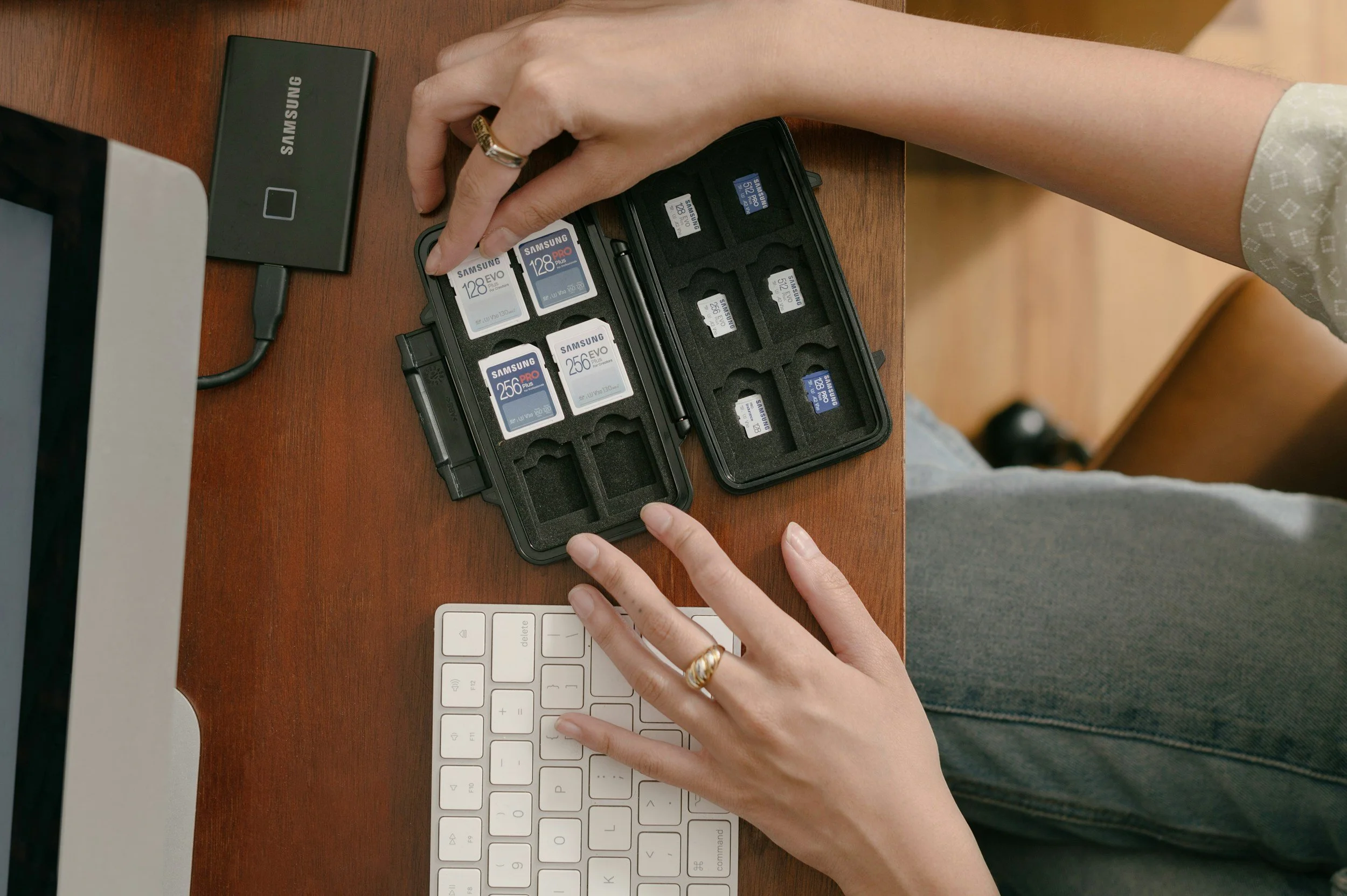
Getting away from the Permanent Cloud Storage Tax
Storing heavy contract files, 4K travel footage, and 360-degree videos on fragile external drives is a catastrophic liability. Here is the enterprise-grade infrastructure to bring your data in-house.
The Storage Deficit
Most professionals manage their digital assets with extreme negligence. They buy a $100 plastic external hard drive, drop it on their desk, and assume their business operations are safe. A single spilled coffee or a mechanical "click of death" inside that drive instantly wipes out years of client deliverables, financial spreadsheets, and irreplaceable travel media.
The amateur alternative is paying a monthly tax to a cloud provider. Renting space from Dropbox or Apple seems cheap at $10 a month initially. But as your digital footprint grows—especially when capturing massive 4K files from a DJI drone or storing hundreds of high-fidelity diamond inspection videos for your website—that monthly fee scales aggressively.
You end up paying $30 to $50 a month, in perpetuity, to rent server space. Over a ten-year timeline, you bleed thousands of dollars just to access your own files. You must stop renting your infrastructure and build a private data vault.
The Synology Acquisition
The premier asset for localized data sovereignty is the Synology DS923+ 4-Bay DiskStation.
This is not a basic hard drive. It is a Network Attached Storage (NAS) server. It sits quietly next to your ultra-wide monitor, plugs directly into your router, and acts as your own private, encrypted cloud. You can access your files from a hotel room in Tokyo just as easily as you can from your home office, entirely bypassing third-party subscription fees.
The RAID Insurance Policy
The engineering feature that justifies the capital expenditure is the RAID architecture (Redundant Array of Independent Disks).
When you plug multiple enterprise-grade hard drives—like the Seagate IronWolf series—into the Synology enclosure, the system does not just store your data once. It automatically mirrors every single spreadsheet, photo, and video across multiple physical drives simultaneously.
If one hard drive suffers a catastrophic mechanical failure after five years of use, you lose absolutely zero data. The system alerts you, you pull the dead drive out, slide a new one in, and the Synology automatically rebuilds the array. It is a mathematically perfect insurance policy against data loss.
The Automated Workflow
Balancing a W2 salary with an independent business requires removing friction from your daily operations. You cannot rely on manually dragging and dropping files to back them up.
The Synology software automates the entire protocol. You can set it so that the moment your laptop connects to your home Wi-Fi network, it silently backs up your entire hard drive in the background. If you accidentally delete a critical client proposal, you can log into the server and restore the exact version of the file from three days ago.
The Lifecycle Math
The initial capital expenditure requires two purchases: the Synology DS923+ enclosure (roughly $600) and two high-capacity Seagate IronWolf drives (roughly $400).
A $1,000 upfront cost triggers hesitation until you run the amortization. Paying for 5TB of premium cloud storage costs roughly $360 a year. By month 34, the Synology has completely paid for itself. Every year after that, you are retaining $360 in liquid capital while maintaining absolute, sovereign control over your business and travel data.

Dr. Dennis Gross LED Light Mask: Reducing Travel Inflammation
Prescription topicals leave your skin highly vulnerable during long haul travel. Here is the medical grade hardware that forces cellular recovery.
The Clinical Deficit
Utilizing highly active ingredients like tretinoin to force cellular turnover and niacinamide to manage the lipid barrier is highly effective at home. But this combination creates a massive vulnerability when you step onto a commercial aircraft.
The pressurized cabin aggressively strips moisture from the face. The retinoid has already thinned the dead layer of skin. This guarantees severe inflammation and redness by the time you land. Relying solely on a hyaluronic acid serum is often insufficient to reverse the damage once the barrier is compromised.
The FDA Cleared Hardware
You need an active recovery mechanism. The Dr. Dennis Gross DRx SpectraLite FaceWare Pro is a $455 capital investment in physical dermatology.
This is not a topical cream that sits on the surface. It is a wearable array of medical grade light emitting diodes. The device uses specific wavelengths of red and blue light to penetrate the skin physically. The red light immediately reduces the inflammation caused by the dry cabin air and the active retinoids. It signals the cells to accelerate their own repair process.
The Time Efficiency
You do not need to sit in a clinic for an hour. The internal timer shuts the device off after exactly three minutes. You can use it in your hotel room immediately after washing your face. You apply your standard moisturizer over the top, and the redness subsides before you go down to the property restaurant.
The Break Even Point
Clinical LED therapy sessions cost upwards of $100 per visit. Purchasing the hardware outright for $455 reaches the break even point after just five uses. It is a permanent solution to managing the side effects of an aggressive skincare regimen while traveling.
DJI Mini 4 Pro: Documenting your Luxury Travel
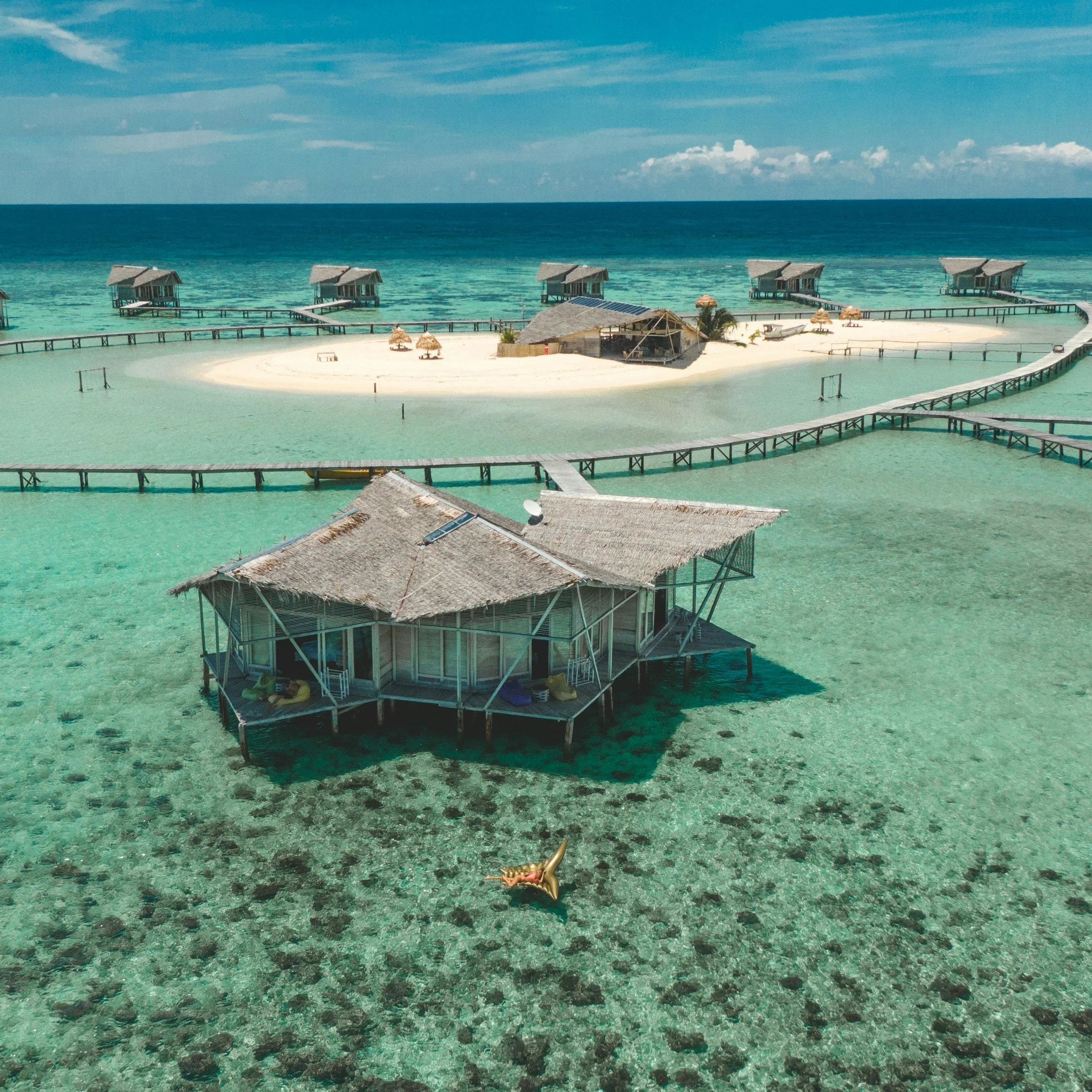
Spending five figures on a cliffside resort and documenting it from the ground is a severe limitation. Here is the exact hardware required to capture the true scale of your travel investments without triggering aviation regulations.
The Ground-Level Deficit
When travelers secure high-end redemptions at properties like the Grand Hyatt Kauai or a waterfront suite in Tokyo, they attempt to document the environment from a balcony. This captures a fraction of the actual landscape.
You are paying a massive premium for the geography. A phone camera held at eye level cannot physically record the surrounding topography, the ocean clarity, or the architectural isolation of the property. You are leaving massive visual data on the table because you are restricted to terrestrial angles.
The Regulatory Friction
The standard solution is acquiring a drone. However, standard drones introduce a nightmare of government friction.
Anything weighing 250 grams or more triggers mandatory FAA registration in the United States. If you take a heavy drone to Japan or Europe, you face severe licensing requirements, customs delays, and potential confiscation. The bureaucracy ruins the utility of the hardware. You need the aerial capability without the legal liability.
The Weight Loophole
You must acquire hardware engineered specifically to exploit international aviation laws. The premier asset for this exact purpose is the DJI Mini 4 Pro Fly More Combo.
DJI engineers designed this specific unit to weigh exactly 249 grams. By sitting a single gram under the legal threshold, it legally classifies as a toy in most global jurisdictions. You bypass the registration databases. You bypass the remote identification broadcast requirements. You simply pull it out of your bag, launch it from the beach, and capture flawless 4K video of the coastline.
The Software Advantage
Previous lightweight models required actual piloting skills. If you flew them near a building, you risked a total loss of the asset.
The Mini 4 Pro eliminates human error through hardware sensors. It features omnidirectional obstacle avoidance. If you accidentally fly it directly at a palm tree or a hotel wall, the internal processing physically stops the drone from crashing. The software protects your capital investment. It also features automated tracking. You can draw a box around yourself on the controller screen, walk down the beach, and the drone will fly itself autonomously to keep you in the center of the frame.
The Lifecycle Yield
The Fly More Combo retails for roughly $1,100. It includes three batteries and a dedicated screen on the controller so you do not have to drain your phone battery to fly it.
When you divide that $1,100 across a lifetime of international trips, it becomes a fractional tax on your travel budget. It turns a standard vacation album into a cinematic record of your exact spatial location.
Reviewing the Tumi Alpha Brief Pack
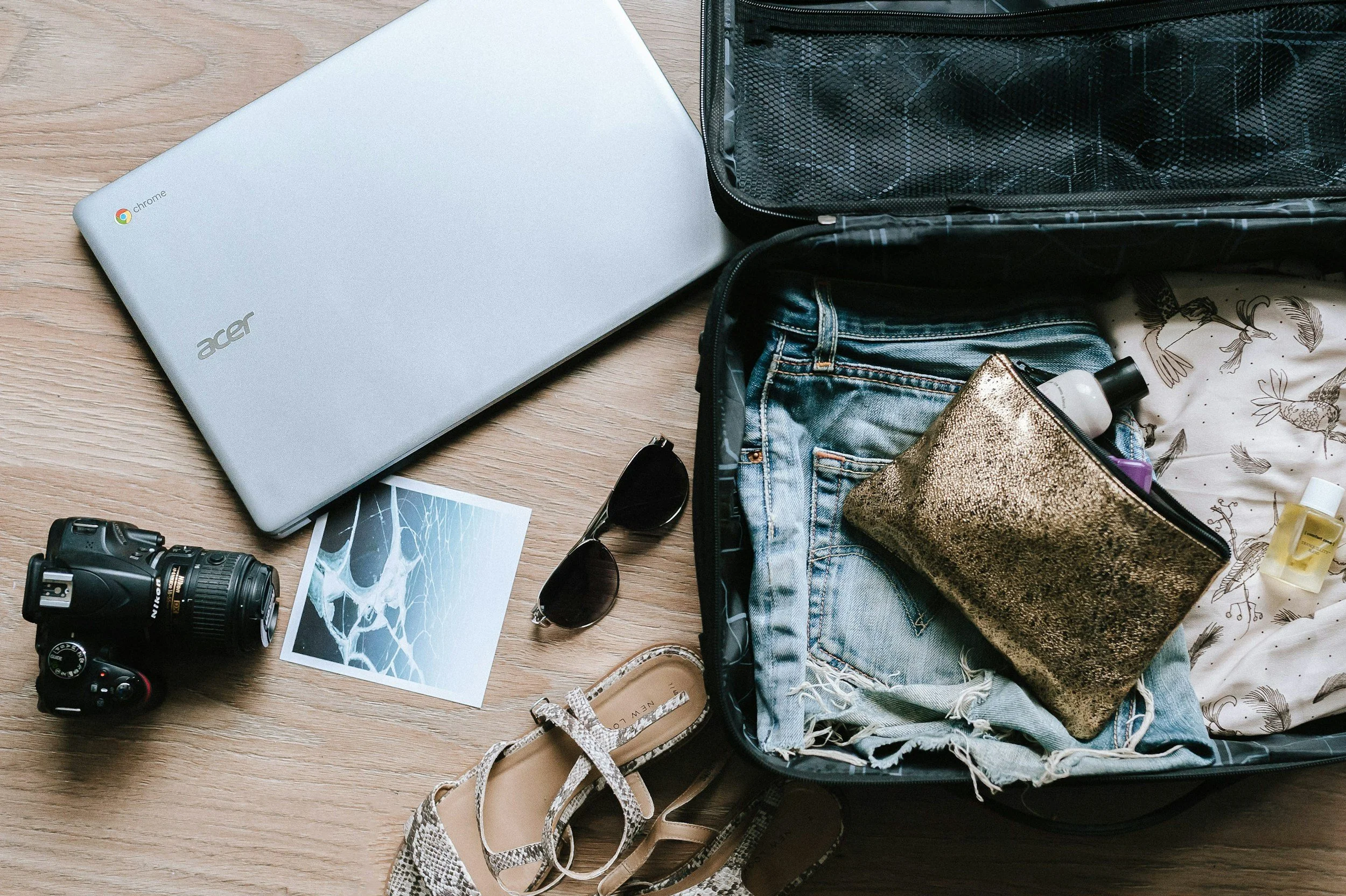
Using a soft canvas backpack to transport thousands of dollars in tech hardware is a critical vulnerability. Here is the ballistic nylon acquisition that protects your capital and organizes your portfolio.
The Soft-Shell Liability
Professionals frequently make a massive miscalculation regarding their daily carry. They spend $3,000 on high-end laptops, $1,300 on cameras, and $500 on noise-canceling headphones, and then dump all of those assets into a $60 unstructured canvas backpack.
This introduces two severe points of failure.
First is the physical risk. A soft bag provides zero impact resistance. When you are rushing through a terminal to catch a long-haul flight to Asia and the bag swings into a doorframe, the kinetic energy transfers directly into your laptop chassis.
Second is the aesthetic degradation. Showing up to a high-net-worth client meeting or walking into a First Class lounge with a sagging, faded backpack instantly destroys the meticulous professional aesthetic you have built. You look like a student, not a strategist.
The Ballistic Nylon Acquisition
You require a structured containment system. The premier asset in the mobile workstation category is the Tumi Alpha 3 Brief Pack.
This unit retails for approximately $895. While the upfront capital expenditure is high, the engineering justifies the cost. The chassis is constructed from Tumi’s proprietary FXT ballistic nylon. This material was originally developed for military body armor. More importantly, the bag features an internal rigid frame. Whether the bag is completely empty or loaded with thirty pounds of gear, it stands perfectly upright on the floor. It never sags.
The Dual-Machine Isolation
Balancing a W2 job with independent 1099 contracting/personal requires carrying two completely separate machines. You cannot mix corporate data with personal business operations.
A standard backpack cannot isolate two laptops without grinding the aluminum cases against each other. The Alpha 3 features a dedicated, high-density foam compartment in the rear. It is engineered with distinct dividers that perfectly separate and suspend both assets simultaneously, keeping them away from the crush zones at the bottom of the bag.
The Portfolio Grid
Managing an optimized travel strategy means physically carrying the plastic. When you are actively cycling through an Amex, a Chase, a Citi, and an Alaska Airlines card to ensure you capture every possible category multiplier on a trip, you cannot dump them into a loose zipper pouch.
The Alpha 3 eliminates rummaging. The front U-zip pocket acts as a structured filing system. It features an integrated, RFID-shielded organizational grid. It keeps high-limit credit lines secure but instantly accessible when you need to quickly pull the right card for a specific terminal purchase.
The Lifecycle Amortization
Do not view the $$895 price tag as a one-time clothing purchase. View it as a ten-year infrastructure lease.
A cheap bag tears at the straps after 18 months of heavy travel, forcing a constant cycle of replacement. The Tumi is built to last a decade. Amortized over ten years, you are paying $75 annually for a sleak mobile vault that physically protects your income-generating hardware and elevates your professional leverage in every room you enter.
The Dell Ultrasharp 49”: Is it better than dual monitors?
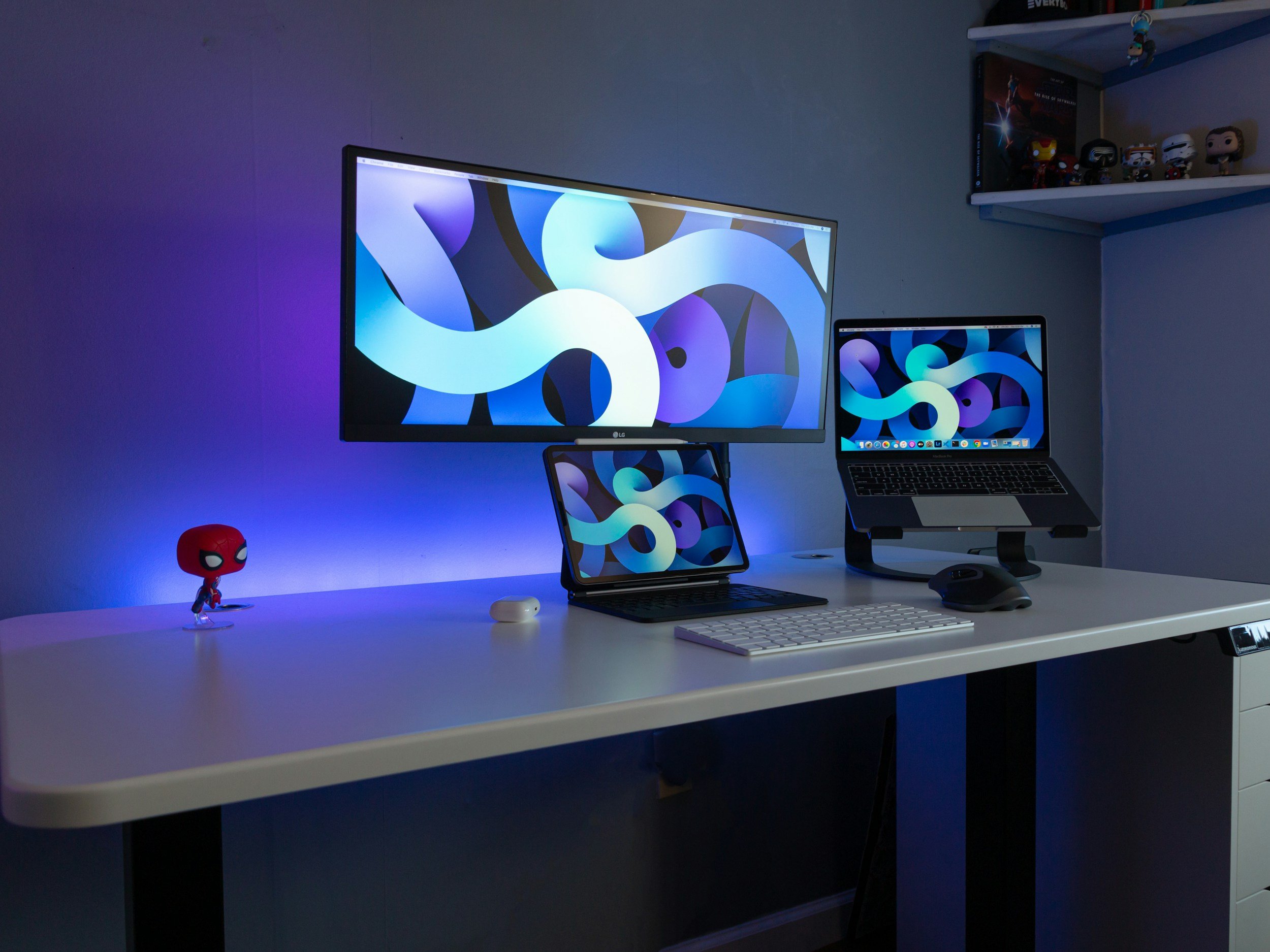
Standard dual monitors create a physical barrier right in the center of your desk. Here is the case for consolidating your entire workflow into a single ultra-wide command center.
The Desk Clutter Problem
Professionals usually try to expand their workspace by buying two standard monitors and placing them side by side. This seems cost-effective until you actually sit down to work.
You are left with a thick plastic bezel exactly where your eyes naturally want to rest. You spend the entire day turning your neck slightly left or slightly right. This constant micro-movement causes physical fatigue and slows down your ability to cross-reference data.
Worse is the cable management. To run two screens, you usually have to buy an expensive third-party docking station, two HDMI cables, and multiple power bricks. Your desk becomes a permanent mess of tangled wires. This creates physical friction every single time you need to plug in and start working.
The Single Canvas Solution
You need to eliminate the bezel and the docking station entirely. The most efficient hardware for this exact problem is the Dell UltraSharp 49 Curved USB-C Hub Monitor.
This is not a gaming monitor. It is a highly specific piece of productivity infrastructure. It gives you 49 inches of continuous, uninterrupted screen space. It is the exact mathematical equivalent of two 27-inch displays seamlessly merged together. You can open a massive financial model on the left, a travel hacking spreadsheet in the center, and your email client on the right, all without a single plastic border breaking your focus.
The KVM Multiplier
This specific Dell model features a built-in KVM switch. This is the single feature that justifies the entire purchase.
Balancing a primary salaried job with a secondary independent contracting business requires ruthless efficiency. You cannot afford to constantly swap out laptops and cables when shifting between your two income streams.
With the Dell UltraSharp, you plug your corporate W2 laptop into one USB-C port and your personal 1099 laptop into another. The monitor allows you to split the massive screen right down the middle. Your day job runs on the left side. Your independent business runs on the right. You can use a single keyboard and a single mouse to seamlessly control both completely separate computers at the exact same time. You just drag your cursor across the screen.
The Power Delivery Simplification
This monitor also acts as its own power grid. The USB-C connection delivers 90 watts of power directly to your laptop.
You can take your heavy laptop chargers and throw them in a drawer. You walk up to your desk, plug in one single cable, and your laptop immediately starts charging while driving the massive display. When you need to leave for a meeting, you unplug that one cable and walk away.
The Financial Breakdown
Spending around $1,300 on a monitor induces hesitation for most buyers. But you have to run the replacement math to see the actual value.
A high-end external docking station costs $300. Two quality 27-inch monitors will easily cost $800. A heavy-duty dual monitor arm costs another $150. You are already spending $1,250 to build a cluttered, compromised setup with a plastic bezel right down the middle.
The Dell consolidates that entire budget into a single piece of hardware. It cleans your physical workspace, protects your neck, and dramatically speeds up your ability to jump between spreadsheets and client emails. It is a straight infrastructure upgrade that pays dividends every single time you sit down to work.
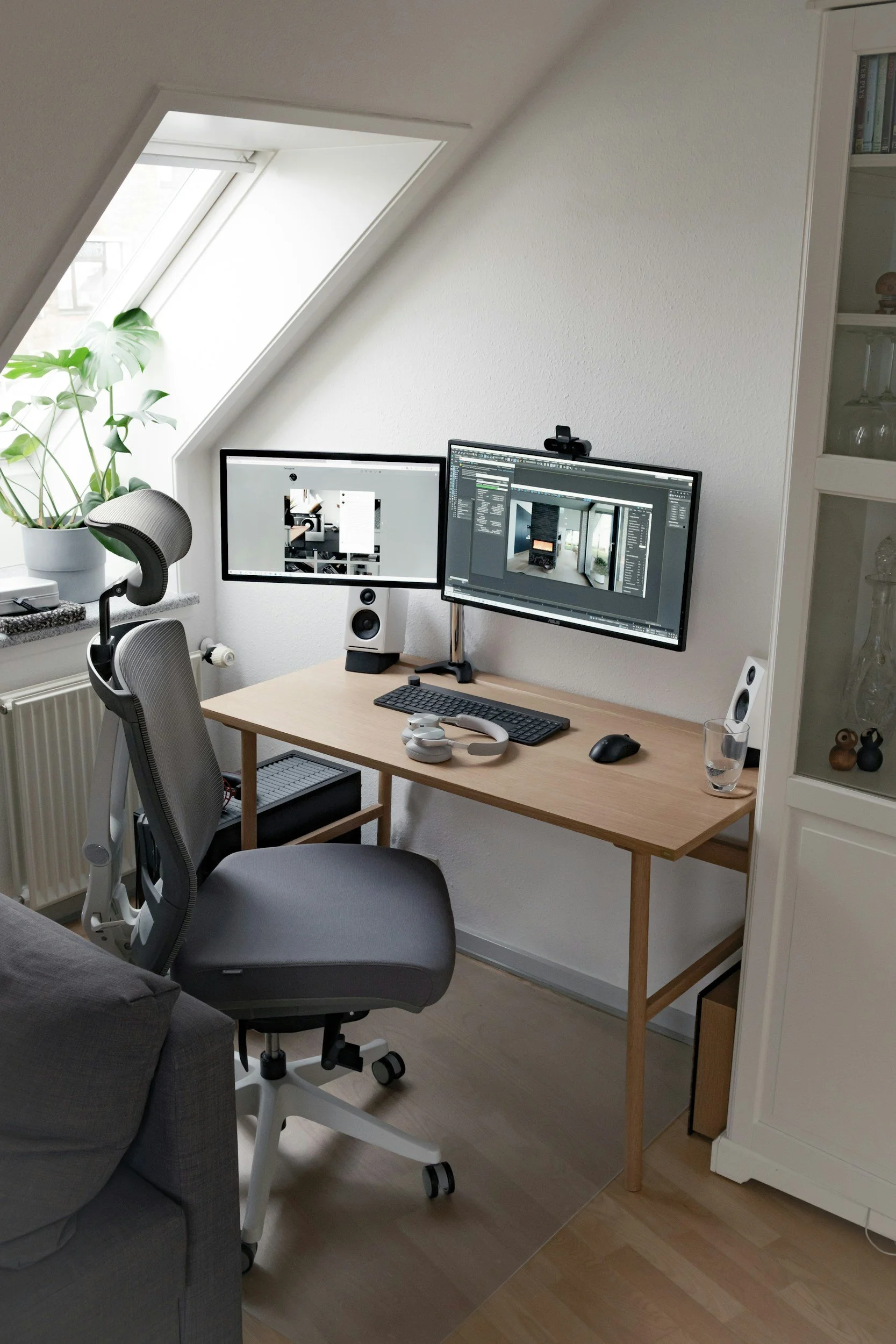
Steelcase Gesture: Why you Shouldn’t Skimp on Office Seating
You cannot maximize dual income streams while sitting on depreciating foam. Here is the mathematical argument for a twelve-year ergonomic investment.
The Infrastructure Deficit
Professionals often spend thousands of dollars on dual monitors, high-speed docks, and premium laptops. They completely ignore the physical infrastructure supporting their own body.
They buy a $250 chair from a big-box store. Within eight months, the hydraulic cylinder sinks. The synthetic foam seat pad compresses into a hard block. The plastic armrests rattle.
If you are working a standard W2 job during the day and grinding out 1099 contract work at night, you are sitting in that chair for ten to twelve hours. A degraded seat directly causes lumbar fatigue, which destroys your focus and caps your earning potential. You end up replacing the cheap chair every two years, throwing good money after bad.
Side note: DO NOT buy the cheap gaming chair!!! These have absolutely horrendous lumbar support. Been there - done that…back problems still here.
The Steelcase Acquisition
The highest-yield chair in the home office category is the Steelcase Gesture.
This chair retails for around $1,500. It is a massive upfront cost for a piece of furniture, but it is not furniture. It is biomechanical equipment.
The Gesture was engineered by studying the micro-movements of the human spine interacting with modern technology. When you recline to look at a phone, the seat pan automatically glides forward to keep your lower back completely supported. The armrests articulate 360 degrees. They support your elbows whether you are typing intensely on a keyboard or leaning back reading a tablet.
The Warranty Leverage
The true value of this acquisition is the manufacturer guarantee. Steelcase provides a 12-year, 24/7 warranty. This covers the mechanisms, the gas cylinder, and the frame.
When you amortize the $1,500 cost over the guaranteed twelve-year lifespan, your actual cost of ownership is $125 a year. That breaks down to roughly thirty cents a day.
You are paying thirty cents a day to eliminate back pain, optimize your posture, and ensure your physical hardware can keep up with your required daily output. Buying anything less is simply a liability.

Lobster Elite — Getting Infinite Tennis Reps without a Hitting Partner
Paying a hitting partner is a recurring expense that limits your improvement. Buying the hardware is a one-time capital expenditure that provides infinite, on-demand repetition.
The Hourly Trap
Improving at a technical sport requires massive volume. If your backhand is breaking down under pressure, you do not need to read a book about it. You need to hit five hundred consecutive backhands until the muscle memory becomes permanent.
Most players attempt to solve this by hiring a hitting partner or taking a private clinic. They pay $60 to $80 an hour. Half of that time is wasted picking up stray balls, taking water breaks, and dealing with the human element of inconsistent feeds.
You are paying a massive premium for a highly inefficient training environment. You are renting time. You need to own the delivery mechanism.
The Hardware Solution
To remove the human bottleneck, the premier acquisition is the Lobster Sports Elite Two Ball Machine.
This unit retails for approximately $1,800. It transforms a standard public court into a high-density training facility. You load it with a case of premium balls—whether your preference leans toward the heavy felt of a Wilson US Open or the lively bounce of a Penn Pro Penn Marathon—and the machine goes to work.
It holds 150 balls and delivers them at speeds up to 80 miles per hour. More importantly, it features random horizontal and vertical oscillation. It does not just feed you the same flat ball down the middle. It forces you to move corner to corner, dealing with heavy topspin and slicing backspin.
The Lifecycle Math
The break-even calculation on this hardware is incredibly fast.
If you currently pay a hitting partner or coach $60 an hour just twice a week, your monthly burn rate is $480. You spend nearly $6,000 a year just to get a decent sweat in.
The $1,800 capital expenditure for the Lobster machine pays for itself in exactly three and a half months. After week fourteen, your training is mathematically free. You can go to the court at 6:00 AM on a Tuesday or 9:00 PM on a Sunday. You never have to coordinate schedules with another human being again. You just turn the machine on and hit until you achieve technical perfection.

Bringing Your Coffee Supply Chain In-House
Outsourcing your morning coffee introduces massive daily friction and bleeds capital. Here is the mathematical argument for a $2k+ Swiss hardware acquisition.
The Supply Chain Failure
Most professionals accept the daily coffee shop run as a fixed cost of doing business. They spend $7 on a latte, stand in a queue for twelve minutes, and deal with inconsistent quality depending on which barista is working the bar.
When you run the math on this habit, it is a catastrophic leak in your personal profit and loss statement.
Spending $7 a day equals roughly $2,550 a year. But the true cost is the time. If you waste twelve minutes a day acquiring that coffee, you are burning over seventy hours a year standing in a line. You are outsourcing a basic daily requirement to an inefficient third-party vendor and paying a massive premium for the privilege.
The strategy is vertical integration. You must control the supply chain by bringing the production hardware into your own kitchen.
The Pod Trap
The amateur attempt at solving this problem is buying a cheap pod-based machine like a Nespresso or Keurig.
This is a false economy. The hardware is cheap upfront, but the recurring cost of the proprietary capsules is exorbitant. You are paying the equivalent of $50 per pound for stale, pre-ground coffee sealed in aluminum. Furthermore, the extraction pressure and water temperature on these plastic machines are entirely insufficient to produce a structurally sound espresso.
You must bypass the razor-and-blades business model entirely.
The Swiss Engineering Solution
To replicate true commercial quality without the friction of manually tamping and dialing in espresso shots every morning, the premier asset is the Jura E8 Automatic Coffee Machine.
Jura represents the pinnacle of Swiss fluid engineering. This unit retails for approximately $2,799. While the initial capital expenditure induces sticker shock for most consumers, it is the only machine that mathematically justifies its own existence.
1. The Precision Grinder The machine features a built-in conical burr grinder. It holds whole beans and grinds them exactly three seconds before extraction. This guarantees zero oxidation and maximum flavor yield. You buy fresh beans from a local roaster at $18 a bag, reducing your per-cup cost from $7.00 down to roughly $0.40.
2. The Fluid Dynamics The Jura utilizes a proprietary pulse extraction process. Instead of forcing water through the grounds in a single continuous stream, it pulses the water at exact micro-intervals. This maximizes the extraction time, resulting in a thick, rich crema that matches any commercial machine in a high-end cafe.
3. The Zero-Friction Interface You do not need to learn how to froth milk. The machine handles the thermodynamics automatically. You press a single button on the glass touchscreen, and the internal system precisely heats, foams, and layers the milk directly into your glass, followed by the espresso. It then automatically flushes the milk system with boiling water to prevent bacterial buildup.
The Lifecycle Math
Do not view the $2,799 price tag as a purchase. View it as an equipment lease that you pay off in less than a year.
If you eliminate the $2,550 annual coffee shop expense and replace it with $300 worth of whole beans, the Jura E8 completely pays for itself by month 15. Every single year after that, you are retaining over $2,000 in liquid capital while drinking a superior product and saving seventy hours of your time, especially with a Swiss product that will likely last you 10 yrs+.
Stop funding the expansion of a coffee franchise. Capitalize your own kitchen.
Why Smartphone Lenses Distort High-Value Travel
You spent $10,000 on a transpacific flight and a luxury resort. Relying on an iPhone to document the experience is a catastrophic data capture failure. Here is the hardware for optical reality.
The Algorithmic Illusion
The modern smartphone does not take photographs. It gathers light data and uses artificial intelligence to heavily guess what the image should look like.
When you take a picture of a sunset in the Maldives with a phone, the software aggressively sharpens the edges, artificially saturates the blues, and flattens the depth of field. The resulting file is a synthetic composite, not an optical reality. Furthermore, the physical sensor inside a phone is roughly the size of a fingernail. It simply cannot absorb enough photons in low-light environments, resulting in grainy, degraded images when shooting inside a dim Michelin-starred restaurant.
The Sensor Real Estate Solution
To capture a high-fidelity record of your capital expenditures, you must bypass computational guessing and rely on pure physics. You need massive sensor real estate.
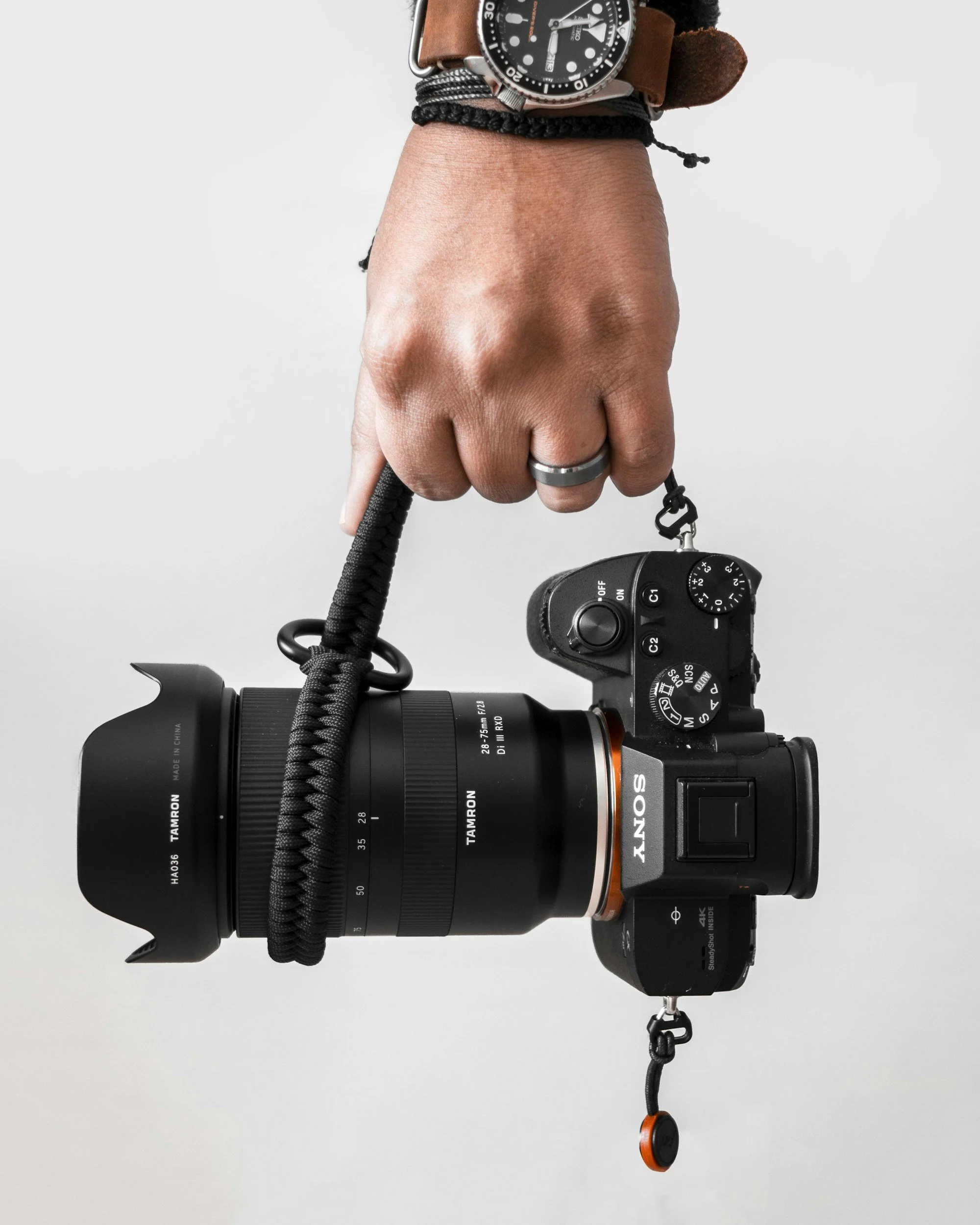
Dragging a heavy, interchangeable-lens DSLR camera across Europe introduces too much physical friction. The operational sweet spot is the Sony RX100 VII.
This unit fits entirely inside a jacket pocket.
The Hardware Superiority
The RX100 VII utilizes a 1-inch sensor, which is physically massive compared to a smartphone. This allows it to capture authentic depth of field—where the subject is razor-sharp and the background naturally blurs through optical physics, not software simulation.
It also features a true mechanical 24-200mm zoom lens. When you digitally zoom on a phone, you are just cropping pixels and destroying image quality. The Sony utilizes physical glass elements to pull subjects closer without losing a single megapixel of resolution. It shoots 20 frames per second, ensuring you capture the exact microsecond of an action shot without motion blur.
The Final Assessment
You do not optimize your flights, your hotels, and your dining only to secure a low-resolution, iPhone picture of the memory. The Sony RX100 VII guarantees high-fidelity data retention without the logistical burden of professional camera gear.
The Watch Transit Protocol
Transporting a $10,000 mechanical timepiece in a piece of rolled-up clothing is structural negligence. Here is the physical risk mitigation strategy for luxury hardware.
The Transit Liability
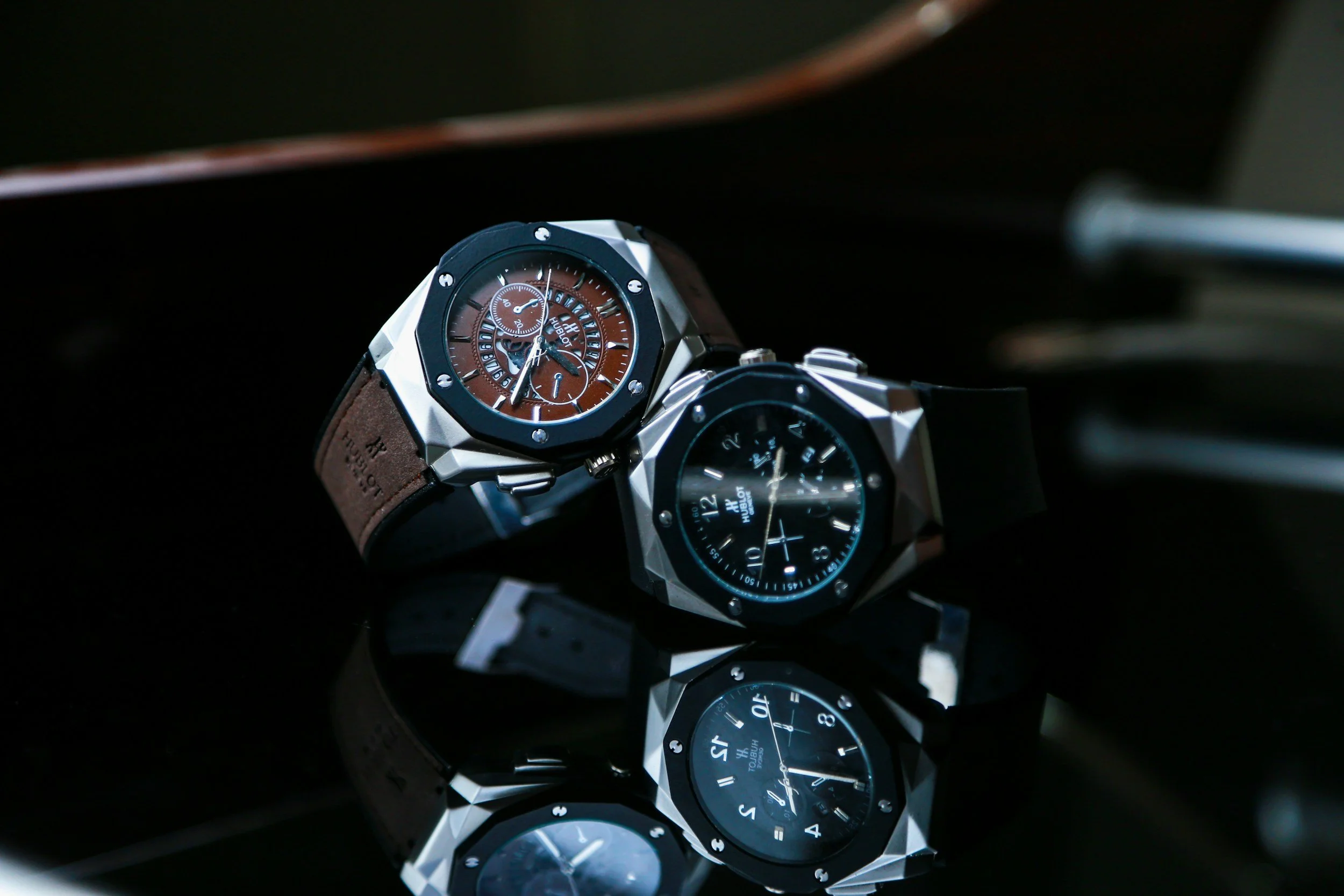
When a traveler packs a secondary mechanical watch for a trip—a dive watch for the resort pool and a dress watch for the Michelin dinner—they usually default to a massive logistical error. They stuff the secondary piece into a shoe or wrap it in a t-shirt inside their checked luggage.
This introduces two severe points of failure.
First, checked luggage is subjected to extreme impact forces on the tarmac. A mechanical watch movement contains hundreds of microscopic gears. A sudden blunt-force shock will shatter the sapphire crystal or dislodge the mainspring.
Second, the magnetic fields generated by airport security scanners and aircraft cabin infrastructure can easily magnetize a hairspring, causing a highly accurate chronometer to run minutes fast per day. You must physically isolate the hardware.
The Structural Enclosure
You do not trust a $10,000 asset to cotton. You require a dedicated transit enclosure designed specifically for shock absorption and spatial efficiency.
The industry standard for this specific logistical problem is the WOLF Blake Watch Roll.
WOLF is a legacy manufacturer that engineers watch storage utilizing a rigid cylindrical chassis. It prevents the external crushing forces of an overpacked carry-on bag from reaching the timepiece.
More importantly, it features internal suspension. The watch wraps around a compressible cushion that absorbs kinetic energy before it reaches the movement. The ultra-suede lining prevents micro-abrasions on polished steel or precious metal cases during transit turbulence.
The Final Assessment
If you allocate serious capital toward a mechanical watch collection, failing to spend a fraction of that cost on proper transit security is a mathematical failure. Secure the asset, keep it strictly in your carry-on luggage, and eliminate the risk of a shattered dial thousands of miles from your jeweler.
Transcontinental Skincare Logistics: The Three-Variable Hydration Stack
Airplane cabins are essentially pressurized deserts. We use a specific, high-density ingredient stack to prevent trans-epidermal water loss on long flights and trips.
The Humidity Deficit
Commercial aircraft cabins are pressurized with air drawn from the high altitude atmosphere. This air contains almost zero moisture. The relative humidity inside the cabin quickly drops below ten percent. For context, the Sahara Desert averages twenty-five percent humidity.
When you sit in this environment for fourteen hours, the dry air aggressively extracts moisture from your face. If you land in Tokyo with compromised skin, it takes days to repair the barrier. Standard drug store moisturizers simply evaporate. You need a targeted, high-density approach.
The Three-Variable Equation
You need a stack of active ingredients that serve specific mechanical functions under extreme conditions.
Variable One is Hyaluronic Acid. This molecule holds a thousand times its weight in water. Applying this first acts as a moisture magnet, pulling hydration into the cellular matrix before the cabin air can extract it.
Variable Two is Niacinamide. This Vitamin B3 derivative physically strengthens the lipid barrier. It acts as the mortar between your skin cells, locking the hyaluronic acid inside and preventing external irritants from causing inflammation during transit.
Variable Three is your cell communicator. If you use a prescription strength retinoid like tretinoin, the rapid cell turnover leaves your skin exceptionally vulnerable to dehydration. You must apply the hyaluronic acid and niacinamide as a protective baseline before sealing the face with a heavy occlusive cream.
The High-Yield Acquisitions
You cannot compromise on the formulation of these active ingredients. Cheap serums sit on the surface and pill under cabin pressure.
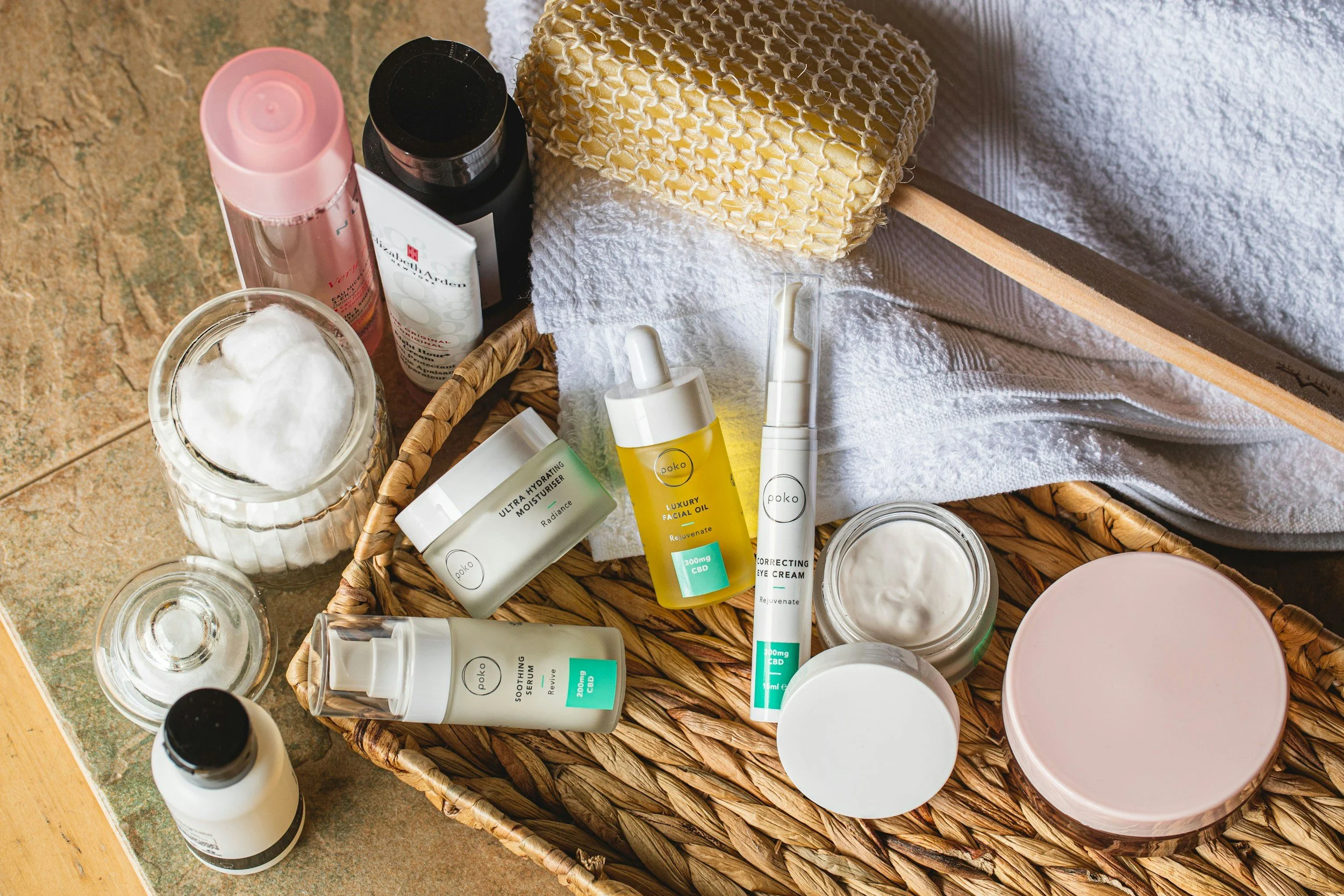
For the absolute highest efficiency moisture retention, the SkinCeuticals Hyaluronic Acid Intensifier is the premier asset. It is a $110 acquisition that utilizes a highly concentrated, multi-weight formula to penetrate deep into the skin rather than evaporating.
To fortify the barrier, the Paula's Choice Clinical 20% Niacinamide Treatment is the industry standard. It delivers a massive dose of the active ingredient in a travel-friendly dropper that complies with all aviation liquid limits.
The Final Assessment
Do not let a poorly planned grooming strategy ruin the first three days of your trip. Acquire the correct chemical compounds, layer them strategically, and land with your skin barrier completely intact.

The Acoustic Isolation Analysis: Why Plastic Headphones Are a Depreciating Asset
Frequent flyers constantly cycle through $350 polycarbonate headphones that physically degrade over time. Here is the mathematical argument for a $449 aluminum acquisition.
The Material Degradation Problem
When evaluating active noise cancellation hardware, most buyers focus entirely on the software. They compare the decibel reduction of the Sony WH-1000XM5 against the Bose QuietComfort Ultra. They ignore the material science of the chassis.
Sony and Bose construct their flagship headphones using polycarbonate plastic. Over hundreds of travel cycles, plastic hinges experience stress fatigue. The clamping force weakens. The synthetic leather ear pads crack and flake. You are forced to replace a $350 unit every three years not because the software failed, but because the physical hardware degraded.
The Aluminum Solution
The Apple AirPods Max recently updated to USB-C charging, eliminating the final piece of cable friction for modern travelers. The retail price sits at $449.
While the initial capital expenditure is significantly higher than the plastic alternatives, the lifecycle math favors the aluminum build. The ear cups are forged from anodized aluminum. The headband frame is surgical-grade stainless steel. The ear cushions attach magnetically and can be swapped out for $69 when they wear down, rather than forcing you to replace the entire headset.
You are buying a permanent piece of travel hardware. Not to mention the seamless integration with your iPhone or your Macbook Pro — it just works. No more fumbling with the inter-OS connections.
The Connectivity Friction
When you are moving through a busy terminal, you need your audio to transition from your phone to your laptop instantly. Standard Bluetooth multipoint pairing is notoriously unreliable. It frequently drops the signal or refuses to switch when a call comes in.
If you use a MacBook and an iPhone, the AirPods Max eliminate this friction completely. The internal silicon manages the handoff automatically. You close your laptop, put your phone in your pocket, and the audio source shifts without a single button press. This right here is worth your time and money to have seamless integration with all your products.
The Final Assessment
Stop renting fragile plastic electronics. A transpacific flight is exhausting enough without dealing with a cracked headphone hinge or a dropped Bluetooth connection.
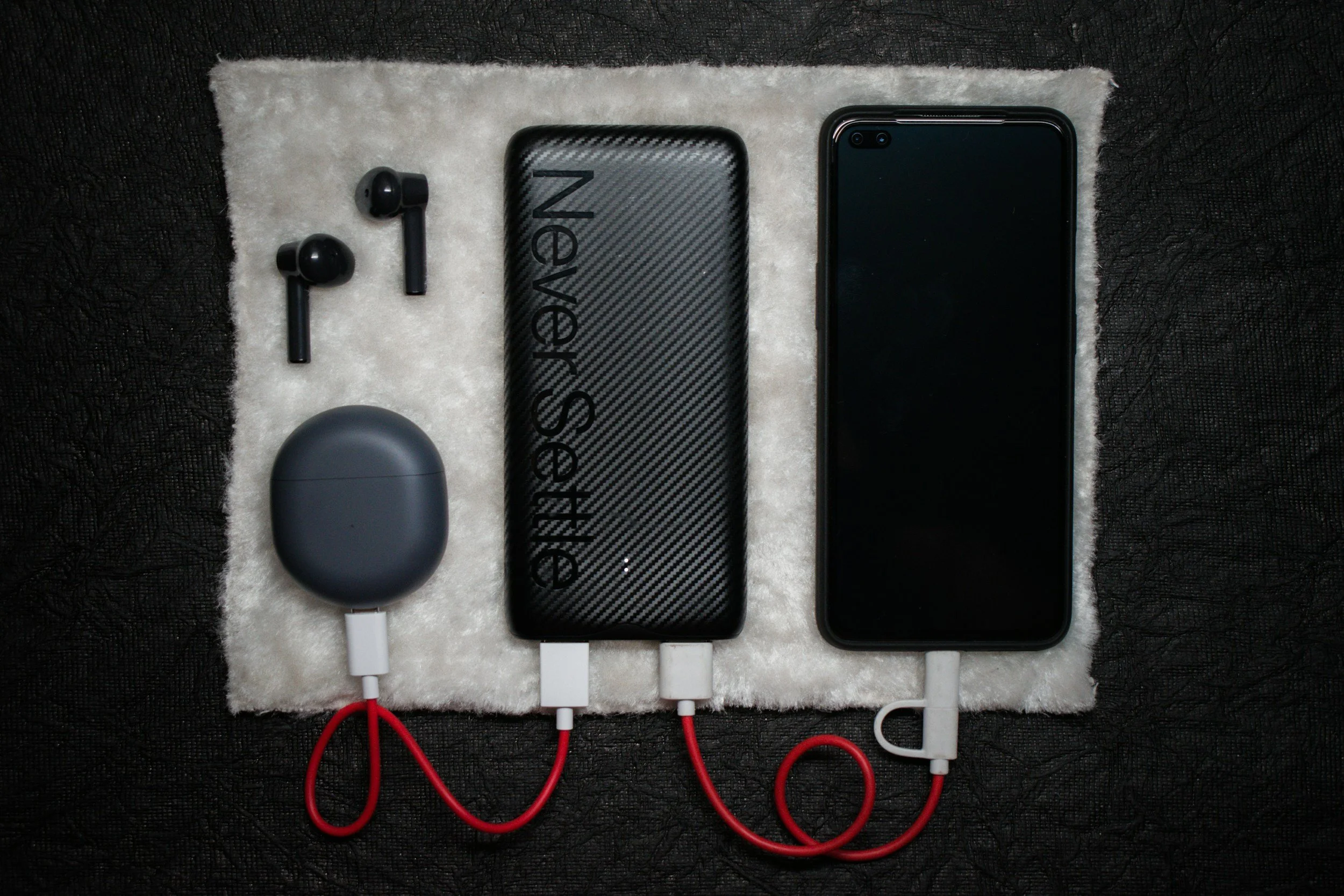
Why Cheap Power Banks are a Travel Liability
Relying on low-wattage batteries to power heavy-draw hardware creates massive friction in transit. Here is the framework for continuous power from Los Angeles to Tokyo.
The Power Deficit
Most travelers walk into an airport electronics store and buy a $30 battery pack. They look at the capacity number on the box and assume it will keep their devices alive for an international trip.
This is a fundamental misunderstanding of electrical throughput.
If you attempt to charge a modern MacBook Pro with a standard cheap battery, the laptop will actually continue to drain. The power draw of the computer working is higher than the power output of the battery. The battery will overheat, throttle its output, and eventually shut down completely.
You do not just need capacity. You need wattage.
The Output Metric
A standard phone charger outputs around 15 to 20 watts. A high-end laptop requires between 65 and 140 watts to charge while under heavy load.
When you are on a 14-hour flight and the seat outlet is broken, a low-wattage battery is entirely useless. You are instantly disconnected. You lose a full day of work because your hardware cannot sustain the required power draw.
To solve this friction, you must acquire hardware specifically engineered for high-throughput delivery.
The Anker Prime 250W Solution
The premier asset in the portable power category is the Anker Prime 27,650mAh (250W).
This unit retails for a significant premium, usually sitting around $180. The price tag is justified by two distinct mathematical advantages that completely eliminate travel charging anxiety.
1. The Absolute Legal Maximum Aviation authorities strictly regulate lithium-ion batteries. The Federal Aviation Administration (FAA) limits carry-on batteries to exactly 100 Watt-hours (Wh) without prior airline approval.
The Anker Prime is engineered to sit exactly at 99.54Wh. It is the absolute maximum legal limit you can carry onto a commercial aircraft. You are capturing every single drop of allowable power without risking confiscation at the security checkpoint.
2. The 250-Watt Delivery System Capacity means nothing if you cannot deliver the power quickly. This unit features dual high-speed USB-C ports that can output a combined 250 watts. You can plug in two MacBook Pros simultaneously and charge both of them at full speed while rendering video or running complex spreadsheets.
The Recharge Velocity
The true bottleneck of massive batteries is the recharge time. A standard high-capacity battery takes eight to twelve hours to refill plugged into a wall. If you only have a short layover, a dead battery stays dead.
The Anker Prime utilizes a dual-port recharge system that pulls 170 watts from the wall. You can completely refill the massive 27,650mAh cell in under 45 minutes. If your first flight gets delayed and you only have 15 minutes in the airline lounge before boarding your connection, you can plug this in and absorb enough power to run your laptop for the entire next leg of the journey.
The Final Assessment
Stop buying disposable $30 batteries that fail under pressure. When your ability to work or navigate a foreign city depends on a charged device, you need industrial-grade throughput.
Purchasing the absolute legal limit of portable power is the only way to guarantee your hardware stays online regardless of external circumstances.
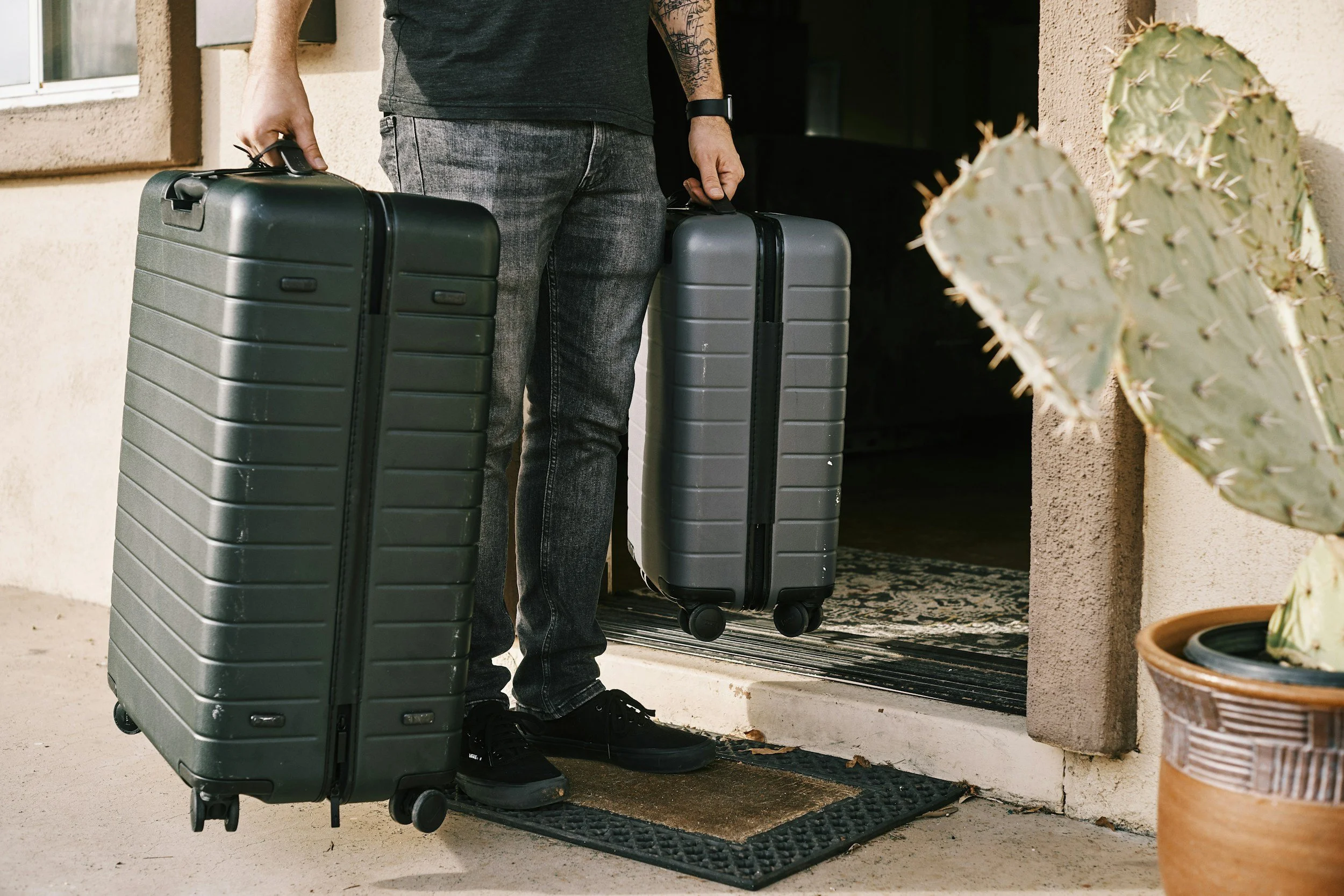
The Luggage Lifecycle Analysis: Why Polycarbonate is a Depreciating Asset
Travelers waste capital replacing $300 hard-shell suitcases every four years when the wheels fail. Here is the mathematical argument for the lifetime acquisition.
The Capital Expenditure Problem
Most travelers view luggage as a disposable container. They go to a department store or browse Amazon for a sleek, hard-shell polycarbonate carry-on. They spend $250. It looks great on the first trip.
By year three, the telescopic handle sticks. The wheels drag because the bearings are completely shot. The zipper tracks separate under the tension of being overpacked. The traveler throws it away and spends another $250.
Over a ten-year timeline, the amateur spends $750 to $1,000 on mediocre hardware that actively introduces friction into their travel logistics. We do not rent our gear. We buy permanent assets.
The Polycarbonate Trap
The travel industry heavily markets polycarbonate (hard-shell) luggage. Brands like Away and Samsonite push the aesthetic of a smooth, rigid exterior.
From an engineering perspective, a rigid exterior is a massive liability.
When you fly on smaller regional jets, the overhead bins are compressed. If you force a rigid polycarbonate shell into a space that is a fraction of an inch too small, the shell cracks. There is no flex. Once the structural integrity is compromised, the bag is garbage.
Furthermore, hard-shell bags split exactly down the middle (clam-shell design). This means you need a massive footprint to open the bag in a standard hotel room. It is a highly inefficient use of space.
The Ballistic Nylon Arbitrage
If you look at the flight crews doing long-haul routes to Asia, they do not carry hard-shell luggage. They carry soft-sided Ballistic Nylon.
The premier asset in this category is the Briggs & Riley Baseline Essential Carry-On.
It retails for a massive premium upfront. It is a $700+ capital expenditure. However, when you run the lifecycle analysis, the math heavily favors the acquisition.
1. The CX Compression Engineering Standard suitcases use expanding zippers. If you overpack, the bag expands outward, and suddenly it no longer fits in the overhead sizer. You are forced to check the bag and pay a fee.
The Briggs & Riley uses a proprietary internal ratcheting system. You pull the internal walls up, pack the bag full, zip it shut, and then physically press down on the top of the suitcase. The internal steel brackets compress the air out of the clothing and lock the bag down to the exact legal carry-on dimensions. You fit 25% more inventory into the exact same spatial footprint.
2. The Perpetual Warranty This is the single variable that changes the mathematical equation. Briggs & Riley offers an unconditional lifetime guarantee.
If the airline rips the handle off, they fix it for free. If you wear the wheel bearings down to the axle after five years of heavy travel, they replace them for free. You never have to buy another piece of primary luggage for the rest of your life.
The $700 upfront cost amortized over a 20-year travel career reduces your annual luggage cost to $35 a year.
The Final Assessment
Stop treating your travel hardware as a disposable expense. You are trusting this container to protect your clothing, technology, and personal items thousands of miles from home.
A failed zipper in an international terminal is a catastrophic logistical failure. Eliminate the failure point entirely.

The Michelin Cross-List: Maximizing the Resy Credit at Starred Restaurants
Deploying the $100 Amex Platinum credit at Michelin-recognized venues requires strict financial discipline. Here is the blueprint for extracting maximum value in Los Angeles and Orange County.
The Prestige Trap
When cardholders see a Michelin star, they assume the $100 credit is irrelevant against a massive tasting menu bill. If you book a multi-course dinner at a two- or three-star establishment, the credit simply becomes a minor discount on an $800 check.
You want to experience Michelin-level execution while keeping your out-of-pocket capital as close to zero as possible. This requires targeting specific restaurants where the menu structure allows for a la carte ordering or accessible bar seating.
The Los Angeles Michelin Targets
Camphor (Arts District) – 1 Michelin Star
Camphor applies classical French techniques to a modern bistro setting. Committing to a full dinner will destroy your $100 limit instantly. The strategy here is strictly at the bar. Secure a seat and order the signature Le Burger—an off-menu item that has gained a massive following—alongside their steak tartare and a cocktail. You experience a Michelin-starred kitchen's precision for the exact amount of the statement credit.
Osteria Mozza (Hollywood) – 1 Michelin Star
Nancy Silverton’s flagship Italian restaurant has held a star for years. The main dining room pushes you toward a heavy, expensive meal. The optimal play is the Amaro Bar. You sit at the bar, order the legendary burrata from the mozzarella bar, a handmade pasta like the ricotta egg raviolo, and a glass of Italian wine. The $100 credit absorbs a world-class meal without the three-course commitment.
Kato (Arts District) – 1 Michelin Star
Chef Jon Yao’s Taiwanese-American tasting menu is expensive and heavily booked. However, Kato features an exceptional bar program that does not require the full tasting menu commitment. You book a bar reservation, order a few of the elevated a la carte bar snacks—like the tapioca pearl crab or the milk bread—and explore their highly complex cocktail list. You get the atmosphere and execution of a starred restaurant at a fraction of the cost.
The Orange County Michelin Targets
Orange County has a very small footprint of actual Michelin stars, and the few that exist do not currently use Resy for reservations. To deploy the Amex credit effectively in OC, the strategy shifts to Michelin Bib Gourmand venues. This designation represents exceptional food at a more accessible price point, making the $100 credit even more powerful.
Heritage Barbecue (San Juan Capistrano) – Michelin Bib Gourmand
This is widely considered the best Texas-style barbecue in Southern California. The lines can be long, but the pricing is completely in your control since you order meat by the pound. A $100 budget here is massive. You can secure a pound of brisket, beef ribs, and multiple sides. The Amex credit effectively buys a premium barbecue feast for two people.
Chaak Kitchen (Tustin) – Michelin Bib Gourmand
Chef Gabbi Patrick focuses on the cuisine of the Yucatan peninsula. The space is stunning, featuring an open-air roof and a large bar. The menu is heavily skewed toward small plates and antojitos. Ordering the smoked chicken empanadas, the cochinita pibil, and a round of mezcal cocktails will land perfectly on the $100 mark. It is a highly efficient way to fund a premium date night.
Fable & Spirit (Newport Beach) – Michelin Bib Gourmand
Already a prime target for the standard Resy credit, its Michelin Bib Gourmand status confirms the quality. The strategy remains the same: bypass the heavy entrees. Sit at the bar, order the Guinness brown bread, a shared appetizer, and a few craft cocktails. The $100 credit turns a recognized, high-demand neighborhood spot into a free evening out.
If you are dining in Newport Beach, you are fifteen minutes from the Waldorf Astoria Monarch Beach. Read my guide on how to manufacture a free night there using the Amex FHR Double-Dip.
The Execution
Do not walk into these establishments and order blindly. A Michelin-starred kitchen will drain your wallet if you let them dictate the pace. Review the bar menu beforehand, calculate your price targets, and use the Amex Platinum credit to forcefully subsidize the best food in the region.

Top Restaurants to Maximize the $100 Resy Credit in LA and OC
The Amex Platinum requires you to spend $100 per quarter on the Resy platform. Here is the breakdown of the best high yield redemptions in Los Angeles and Orange County.
The Quarterly Challenge
The $400 annual Resy credit is split into $100 quarters. If you do not use it by the last day of March, June, September, and December, the money vanishes. You cannot roll it over.
Many cardholders treat this as an excuse to book a $400 dinner at Providence and view the statement credit as a minor discount. That is one way to play it. A more efficient approach is targeting restaurants where $100 covers a significant portion of the bill, turning the credit into a heavily subsidized date night or a completely free lunch.
Southern California has one of the highest concentrations of Resy restaurants in the country. Here are the most strategic targets across LA and OC.
The Los Angeles Targets
Pizzeria Sei (Pico Robertson) This is arguably the highest yield redemption in Los Angeles. Pizzeria Sei serves Tokyo style Neapolitan pizza. It is incredibly difficult to get a table, but if you secure a spot, the pricing is extremely fair. Two pizzas and a couple of appetizers will land right around the $100 mark after tax and tip. You walk out having paid almost nothing out of pocket.
Kismet (Los Feliz) Kismet is a Mediterranean spot that excels at shared plates. It is perfect for a weekend brunch or a casual lunch. If you order the Turkishish Breakfast spread and a few sides, you can easily max out the $100 credit while feeding two people exceptionally well. It is a daytime redemption that feels like a full experience.
Mother Wolf (Hollywood) If you want the high end scene, Evan Funke's Roman pasta palace is a prime target. You are not walking out of here for under $100. However, if you sit at the bar and order two spectacular pasta dishes and a cocktail, that $100 credit takes the sting out of a very premium Hollywood evening.
Bavel (Arts District) Bavel is a Middle Eastern powerhouse and one of the hardest reservations in the city. The bill here can climb quickly if you order heavy entrees. The strategy is to sit at the bar and focus entirely on the shared plates. Ordering the hummus with duck 'nduja, the oyster mushroom kebab, and a cocktail perfectly maximizes the $100 limit. You get the full atmosphere of a premium Arts District spot for a fraction of the cost.
Gjelina (Venice) This is the ultimate daytime play. Gjelina is an institution on Abbot Kinney. Going for dinner can be loud and expensive. Booking a late lunch on a Tuesday changes the math completely. Their vegetable dishes and wood-fired pizzas are perfectly priced for this credit. You can order three vegetable plates, a pizza to share, and two coffees, and the Amex credit absorbs the entire check.
Republique (Mid-Wilshire) Attempting to use the credit here for dinner is a losing mathematical game; the bill will rapidly exceed $300. The strategy here is the morning arbitrage. Republique is arguably the best bakery and brunch space in the city. You arrive at 9:00 AM, bypass the dinner reservation fight, and order the kimchi fried rice, a French omelette, and premium pastries. The $100 credit completely absorbs a world-class brunch for two.
Saffy's (East Hollywood) This is the slightly more casual sister restaurant to Bavel and Bestia. It focuses on Middle Eastern skewers and shawarma. It is the perfect low-friction date night. Because the menu is built around manageable shared plates rather than massive entrees, you have absolute control over the final check. A round of cocktails, the hummus, and two skewers will land perfectly on the $100 mark.
Elephante (Santa Monica) This venue is notorious for being an expensive, scene-heavy rooftop. You are paying a premium for the unobstructed views of the Pacific Ocean. This is exactly when you deploy the Amex credit. You do not book a full dinner. You book a late afternoon time slot, order a wood-fired pizza and two cocktails, and watch the sunset. The credit turns what is normally an overpriced trap into a completely subsidized coastal lounge experience.
Pizzeria Mozza (Hollywood) Nancy Silverton’s pizza institution remains one of the most consistent kitchens in Los Angeles. The move here is securing two seats at the bar. Ordering the fennel sausage pizza, the Nancy's chopped salad, and a glass of wine is a quintessential LA dining experience. Because the pricing is anchored to pizza rather than heavy proteins, the $100 limit covers the entire evening with ease.
Hatchet Hall (Culver City / Mar Vista) If you are on the Westside, this wood-fired restaurant is a prime target. The main dining room is excellent, but the true yield is found in the "Old Man Bar" tucked in the back. It features a massive, dark-spirits cocktail list. You can drop in, order the yeast rolls, the roasted vegetables, and a few heavy pours of whiskey. The statement credit effectively buys you an elite happy hour without the commitment of a three-course meal.
The Orange County Targets
Vaca (Costa Mesa) Located near South Coast Plaza, Chef Amar Santana's Spanish tapas and steakhouse is a fantastic use of the credit. Tapas are inherently scalable. You can drop in for lunch, order the bikini sandwiches, pan con tomate, and some charcuterie, and hit the $100 threshold with precision.
Fable and Spirit (Newport Beach) This is a neighborhood staple with a Michelin Bib Gourmand. It is heavily booked, but the food is consistently excellent. The $100 credit perfectly covers a round of drinks, the famous Guinness brown bread, and a shared main course at the bar.
Seabutter (Laguna Beach) Finding good sushi on Resy can be challenging, but Seabutter fills the gap perfectly. Sitting on PCH with ocean views, you can order a few premium rolls and some sashimi. The $100 credit turns an expensive coastal sushi habit into a highly subsidized lunch.
A Restaurant (Newport Beach) This is a classic, old-school Newport Beach institution. It is dark, moody, and very expensive. Do not book a table for a full dinner unless you want to spend heavily. The move here is strictly at the bar. You walk in, order the spicy yellowfin tuna appetizer, split a wedge salad, and order two premium martinis. The $100 credit turns an expensive luxury lounge into a highly subsidized happy hour.
Angelina’s Pizzeria Napoletana (Irvine)
High-end Neapolitan pizza is the perfect vehicle for this credit because the pricing is completely predictable. Located at the Irvine Spectrum, Angelina's gives you absolute control over the check. You can order a Margherita Diavola, a truffle pizza, and two glasses of wine, and the bill lands softly right at the limit. It is a fantastic, low-stress lunch option that doesn't require overspending to feel like a complete meal.
Malibu Farm (Newport Beach)
Situated right on the water in Lido Marina Village, you are paying for the aesthetic just as much as the food. Dinner here can escalate quickly. The optimal move is a weekend brunch. Ordering the Swedish mini pancakes, a breakfast scramble, and fresh-pressed juices allows you to enjoy the premium waterfront environment while the statement credit absorbs the entire cost.
CIR Lounge (Fountain Valley)
When planning a date night with your partner, CIR Lounge provides a much darker, moodier atmosphere than the typical coastal spots. The menu focuses heavily on Japanese fusion and craft cocktails. Sitting at the bar and ordering a few elevated rolls alongside a round of drinks brings the check right to the $100 mark. It turns a standard evening out into a heavily subsidized luxury experience.
CasaDamí (Newport Beach)
Tucked away on the Balboa Peninsula, this Modern European spot excels at small plates. The menu is designed for grazing, which gives you complete mathematical control over the final tab. Focus on the crudo, the burrata, and the extensive wine list. It is an ideal target for a lighter, late-afternoon meal before the evening rush begins.
The Carry Over Method
Sometimes a quarter ends and you simply do not have time to make a reservation. You do not have to lose the money.
Many Resy restaurants sell physical gift cards in person at the host stand. If the restaurant processes their in house gift cards through their main point of sale system, it often triggers the Amex credit.
You can walk into a local spot like Bestia or Pitfire Pizza on the last day of the quarter, buy a $100 physical gift card, and trigger the statement credit. You just successfully converted an expiring benefit into liquid restaurant currency that you can use next year.
OR you can purchase a virtual gift card via Toast to a place like Holbox for a easy virtual way to bank this $100 until you can get a reservation for their tasting menu.
Next Steps
Log into your Amex account and ensure you have clicked "Enroll" on the Resy benefit.
Open the Resy app and bookmark these local targets.
Set a calendar reminder for the 25th of every third month to ensure you have liquidated the funds.
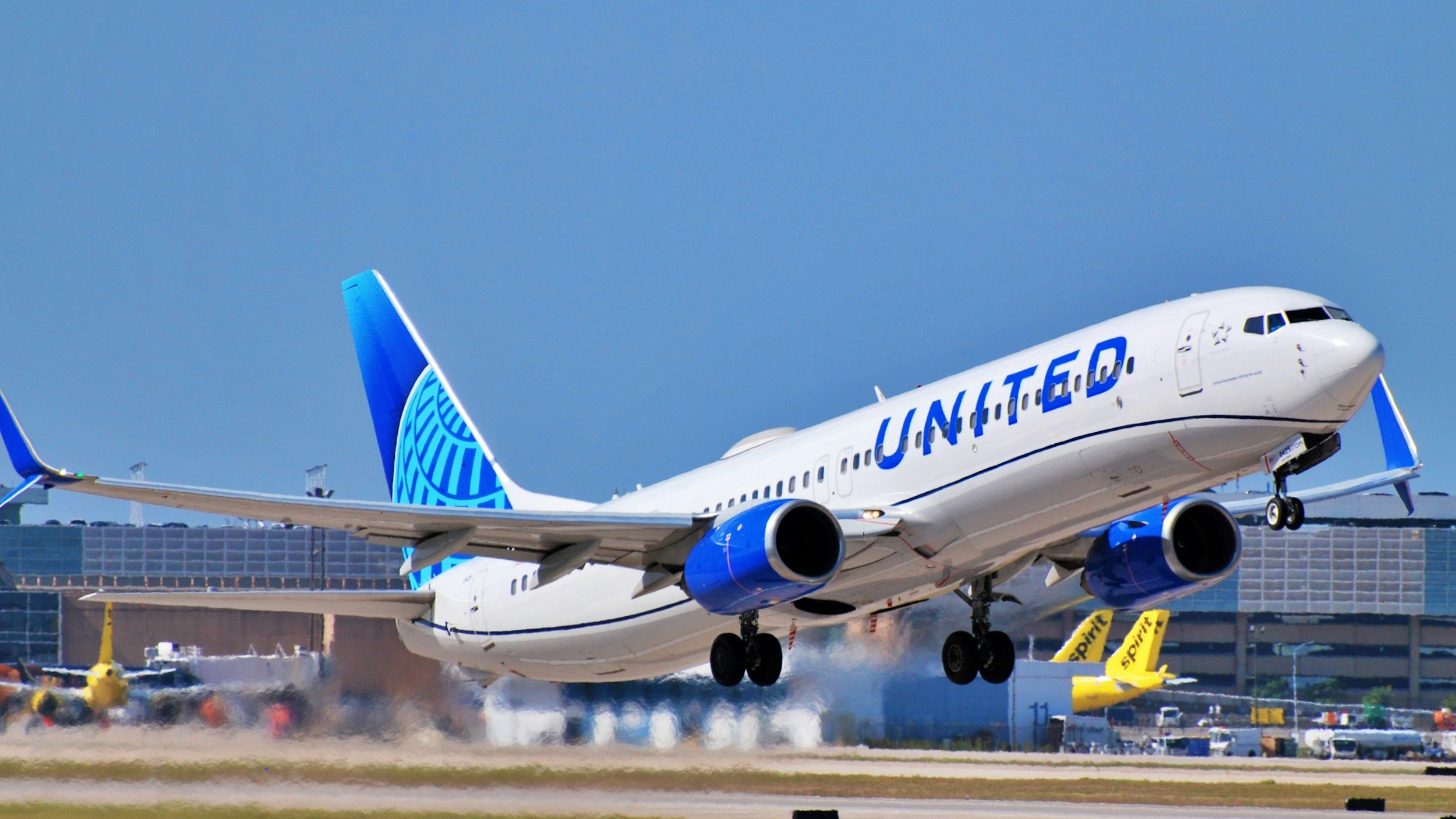
The TravelBank Strategy: Liquidating the Most Restrictive Amex Credit
Most cardholders let their airline incidental credit expire or waste it on checked bags. Here is the exact method to turn those restricted funds into liquid airfare.
The Frustration of the Airline Credit
American Express offers a $200 annual statement credit for airline incidental fees. On paper this sounds like a great benefit. In reality it is notoriously difficult to use.
The terms and conditions explicitly exclude the things you actually want to buy. You cannot use it for airfare. You cannot use it for cabin upgrades. You cannot use it to buy miles. It is strictly designed for checked bags, lounge day passes, and in-flight food.
If you are a frequent traveler you probably already get free checked bags through airline status or other credit cards. You already have lounge access from the Platinum card itself. This leaves you trying to spend $200 on overpriced airplane snacks. Many people simply let the credit expire at the end of the year.
The United TravelBank Solution
You do not have to settle for buying seat assignments you do not need. You can bypass the restrictions entirely by funding a digital wallet.
United Airlines has a feature called the TravelBank. It acts like a digital checking account tied directly to your frequent flyer profile. You load money into the account and use those funds to buy regular plane tickets later.
According to the official American Express rules, funding a digital wallet should not trigger the statement credit. The system is programmed to deny gift card purchases. However, the specific billing code United uses for certain TravelBank deposits currently slips past the filters. The system misinterprets the deposit as a standard baggage or fee charge.
The Execution Steps
You must follow the steps in a very specific order to ensure the credit posts correctly.
First you must log into your American Express account. Navigate to the benefits section and select United Airlines as your designated airline for the calendar year. You have to do this before making any purchases. If you skip this step you will not get your money back.
Next you go to the United Airlines website and find the TravelBank page. Log into your MileagePlus account.
Make a deposit of exactly $100 using your American Express Platinum card. Do not attempt a single $200 transaction. The system usually recognizes larger amounts as gift cards and denies the credit. You need to make two separate $100 deposits a few days apart.
The Liquid Result
Check your American Express statement a few days after the charges post. You will see two $100 statement credits offsetting your deposits.
You have successfully converted a highly restricted expiring benefit into liquid travel capital. Those TravelBank funds sit in your United account for up to five years. You can use them to book any standard United flight without restrictions. You bypass the original rules entirely and secure actual value from a frustrating benefit.

The FHR Stack: Liquidating the $300 Hotel Credit for Maximum Yield
Most cardholders use the Platinum hotel benefit to slightly discount a massive vacation bill. We use a loyalty stack to mathematically manufacture a free luxury night.
The Inefficient Application
American Express offers a $300 semi-annual statement credit for prepaid bookings through their Fine Hotels & Resorts (FHR) program. The average consumer approaches this benefit completely backwards. They book a four-night stay at a resort in Europe for $3,000, apply the $300 credit, and consider it a victory.
This dilutes the value of the FHR program. The true power of this booking channel is not the baseline discount. It is the fixed assets attached to every reservation.
Every FHR booking guarantees free daily breakfast for two, a $100 property credit (usually for food and beverage or spa services), and a guaranteed 4:00 PM late checkout.
If you spread those fixed benefits over four nights, the daily yield is terrible. If you compress them into a single night, the return on investment skyrockets.
The One-Night Protocol
The most efficient way to liquidate this credit is the local, one-night staycation. You isolate a luxury property close to home and book a single night.
Consider a standard weekend rate at a property like Mission Pacific or The Seabird in Southern California. The baseline room rate might run around $350 including the $57 resort fee.
Here is how this transaction breaks down. You pay the $350 upfront on the Amex Platinum. The $300 statement credit triggers a few days later. Your actual out-of-pocket capital is $50.
In exchange for that $50, you check in at noon and check out at 4:00 PM the next day. You get 28 hours of resort access. You get an upgraded room (hopefully an ocean view suite). You consume $80 worth of breakfast in the morning and charge $125 worth of dinner and drinks to the room that evening (the credit here actually goes up to $125).
You just extracted $205 in hard food and beverage value for a $50 net cost, meaning the luxury room itself was effectively free.
The Loyalty Multiplier
This is where the strategy shifts from a simple discount into an advanced arbitrage play.
When you book a hotel through a standard online travel agency like Expedia or Booking.com, you surrender your elite status. The hotel will not give you points, they will not give you elite night credits, and they will not honor your tier benefits.
The Amex FHR portal is a rare exception to this rule in the travel industry. FHR reservations code as direct bookings in the hotel's internal system.
This means you can double-dip.
When you arrive at the front desk, you hand them your Platinum card and provide your World of Hyatt membership number. The system recognizes both sets of privileges. You receive the Amex benefits, but you also earn standard Hyatt points on the cash you spent. You earn an elite qualifying night toward your next tier status.
The Status Override
Because the booking codes directly with the loyalty program, you can also inject your own earned status benefits on top of the FHR perks.
If you hold elite status, you can apply your own Suite Upgrade Awards to the reservation in advance. You can even utilize Guest of Honor privileges to extend top-tier perks to a friend or family member while still capturing the Amex statement credit and getting the resort fees waived.
You are forcing two massive corporate entities to stack their promotional budgets onto a single 24-hour window.
The Execution
Thoroughly examine & review your local geography or surrounding area of a planned trip. Find a high-end property in the FHR directory that belongs to your primary hotel loyalty program. Book a single night to trigger the $300 credit, consume the entire property credit at the on-site restaurant/room service/spa, and ensure your frequent guest number is attached to the folio before you check out. THIS is how you properly take advantage of this benefit, essentially wiping $600+ off of the $895 annual fee.
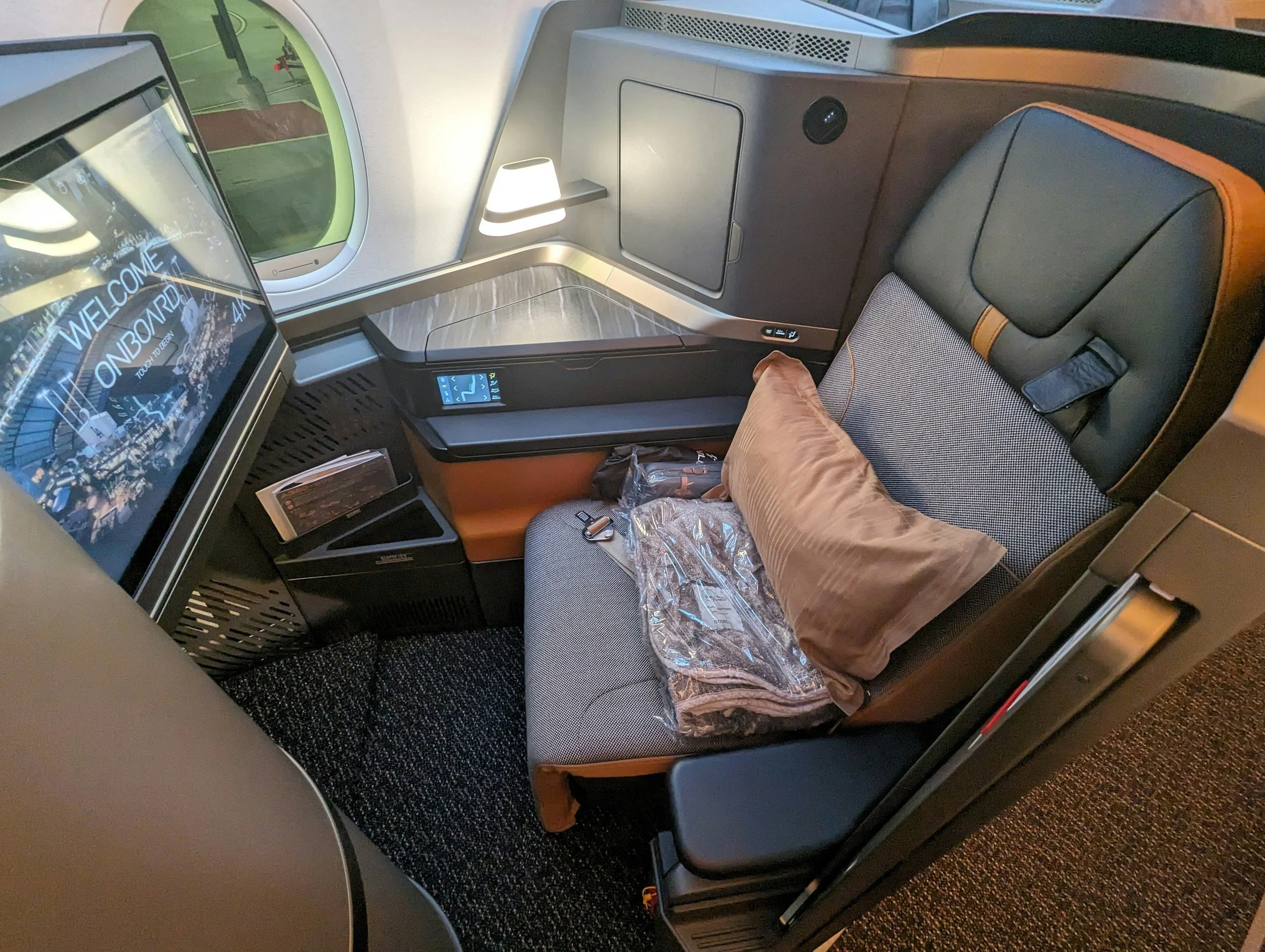
The Tokyo Arbitrage: Turning 90,000 Points into an $8,000+ Experience
Most travelers liquidate their credit card points at a flat one percent yield. We use alliance loopholes to multiply that yield by ten. Here is the blueprint for crossing the Pacific.
The Liquidation Trap
When you log into your Amex account, the system nudges you toward the travel portal. It offers you a very simple trade. You can buy a flight and pay with your points at a flat valuation of one cent each.
This is financial malpractice.
If you spend 100,000 points to cover a $1,000 economy ticket, you are accepting the absolute floor of your asset's value. You need to stop treating points like a cash-back catalog. You need to treat them like a foreign currency. The goal is to find an exchange rate that heavily favors you.
The Alliance Loophole
Airlines do not operate in a vacuum. They belong to global alliances and sign independent partner agreements with one another. This creates massive pricing inefficiencies.
The core rule of travel hacking is that you do not have to buy a ticket from the airline flying the plane. You can buy that exact same seat using the loyalty currency of their partner. Often, that partner uses a completely different pricing algorithm for the exact same inventory.
The Execution
Let's look at a specific high-value route. Getting from Southern California across the Pacific in a lie-flat bed is one of the most highly demanded flights in the world.
If you want to fly All Nippon Airways (ANA) Business Class from Los Angeles to Tokyo, the cash price regularly sits around $8,000.
If you transfer your Amex points directly to ANA to book it, the process is notoriously clunky and strictly requires round-trip commitments.
The optimization play is Virgin Atlantic.
Virgin is an entirely different airline based in the UK. They have a unique bilateral partnership with ANA. More importantly, Virgin Atlantic uses a legacy distance-based award chart that severely underprices this specific Pacific route.
Here is the exact protocol:
You find available partner award space on the ANA flight.
You transfer 90,000 Membership Rewards points from your Amex account directly to Virgin Atlantic.
You call the Virgin Atlantic booking desk and ask them to secure the ANA seat.
The final cost is 90,000 points plus a couple hundred dollars in taxes. Your yield just jumped from 1 cent per point to nearly 9 cents per point. You turned a credit card sign-up bonus into an $8,000 international business class ticket.
The Operational Friction
There is a reason everyone does not do this. It requires extreme patience and an understanding of inventory management.
Airlines only release a tiny fraction of their premium cabins to partner airlines. ANA is notoriously strict with this inventory. They typically release partner award space at two distinct moments. The first drop happens exactly 355 days before departure. The second drop happens within 14 days of the flight when the airline algorithm realizes the seat will go unsold.
This is not a strategy for someone who wants to book a convenient flight for next month on a random Tuesday. It requires strict calendar management or extreme last-minute flexibility.
The Move
Stop browsing the Amex travel portal. Set up a Virgin Atlantic Flying Club account today. Start monitoring ANA award space out of LAX or SFO or SEA using an award flight search tool. Once you see the inventory open up, execute the transfer and make the call.

The Positioning Flight Protocol: Why Searching "Home-to-Destination" is Financial Suicide
Airlines charge a premium for "convenience." We use Network Optimization to break the ticket into independent segments, saving 40-60% on long-haul routes.
The Executive Summary
If you live in a secondary market (e.g., Cleveland, Austin, Phoenix) and you search for a flight to a remote destination (e.g., Bali, Maldives), the algorithm will quote you $2,500+.
Why? Because you are asking one alliance to handle the entire logistical chain.
The Hacker's Approach:
We do not search "Cleveland to Bali."
We search "Major Hub to Major Hub" (e.g., LAX to Singapore).
Then, we buy a separate, cheap domestic ticket (the "Positioning Flight") to get to the hub.
Scenario A (The Amateur): Cleveland —> Bali (Single Ticket). Cost: $2,800.
Scenario B (The Strategist):
Cleveland —> LAX (Southwest). $200.
LAX —> Singapore (Competition Route). $800.
Singapore —> Bali (Budget Carrier). $100.
Total Cost: $1,100.
Savings: $1,700 (60%).
Phase 1: The "Hub-and-Spoke" Algorithm
Airlines compete fiercely on "Trunk Routes" (e.g., NY to London, LA to Tokyo). Prices on these routes are artificially low due to competition.
They have zero competition on "Spoke Routes" (e.g., Cleveland to Bali).
The Protocol:
Identify the Gateway: Where is the cheapest exit point from your continent? (Usually JFK, LAX, SFO, or ORD).
Identify the Entry Point: Where is the cheapest entry point to their continent? (Usually LHR, TYO, SIN, or DXB).
Book the "Trunk": Secure the long-haul flight first using cash or points.
Book the "Spokes": Fill in the gaps with cheap domestic carriers (Southwest, RyanAir, AirAsia).
Phase 2: The "Unprotected Connection" Risk
There is a catch.
If you book Cleveland —> LAX on Southwest and LAX —> Tokyo on JAL as separate tickets, Southwest does not communicate with JAL.
If Southwest is late and you miss the JAL flight, JAL owes you nothing. You lose the ticket.
The Risk Mitigation (The 4-Hour Rule):
In Operations Research, we build "Buffers" into any critical path.
Minimum Buffer: 4 Hours.
Ideal Buffer: The "Overnight Layover."
Fly into LAX the night before.
Get a hotel (using points).
Have a nice dinner.
Fly out the next morning stress-free.
Note: The cost of the hotel is usually $200. The savings on the flight is $1,700. The math still wins.
Phase 3: The "Ghost" Inventory (Award Seats)
This strategy is mandatory for Points Bookings.
If you want to book a Business Class seat with points, you will almost never find availability from a secondary airport.
Austin —> Paris: 0 Seats available.
JFK —> Paris: 4 Seats available.
The Strategy:
Book the JFK —> Paris seat with points. Buy a cheap cash ticket from Austin to JFK.
This "re-positions" you to where the inventory exists.
Final Calibration
Stop letting the airline dictate your route.
Zoom Out: Look at the major hubs on both continents.
Disconnect: Break the chain. Buy the long-haul flight separately.
Buffer: Add 4+ hours or an overnight stay to insure against delays.
You are trading Complexity for Equity. A little extra planning saves you the price of the entire vacation.